Category: Startup Ideas Daily

  • Startup Ideas You Can Build Alone

    Solo founders can absolutely build successful businesses. Focus on ideas that leverage your unique skills, can be scaled incrementally, and don’t require massive upfront capital or a large team to start. The key is choosing the right niche and building a sustainable model step by step.

    The Power of the Solo Founder

    Being a solo founder has its own set of advantages. You have complete control. Every decision is yours.

    This means you can move fast. You don’t need to get everyone on board. Your vision stays pure.

    You also learn everything. From sales to marketing, you wear many hats. This deep learning is invaluable.

    It builds incredible skills. You become a master of many trades. It’s a very rewarding experience.

    Many solo founders find deep satisfaction. They see their hard work directly pay off.

    Think about it. You set the pace. You choose the direction.

    This freedom is powerful. It lets you pivot quickly. If something isn’t working, you can change it.

    You don’t need endless meetings. This speed can be a big advantage. It lets you beat others to market.

    It also means your passion fuels the fire. When it’s just you, your commitment matters most. This personal drive is what many solo ventures thrive on.

    It’s about resilience and a clear purpose.

    What Makes a Good Solo Startup Idea?

    Not all business ideas are made for one person. Some need lots of hands. Others need big money to start.

    We need ideas that are different. They should be manageable for one person. They should also have room to grow.

    What are the signs of a good solo idea?

    First, it should use your skills. What are you good at? What do you love doing?

    Use that. If you’re a writer, maybe start a blog or content service. If you’re good with code, build a small app.

    This makes the work feel less like work. It also means you have an edge. You already know how to do it.

    This saves time and money.

    Second, the idea should be scalable. This means it can grow. It can serve more people.

    It can make more money. It doesn’t have to become a huge company overnight. But it needs a path to expand.

    A service business can hire people later. A digital product can reach many users. Think about how more customers can be served.

    Think about how operations can be streamlined. This is crucial for long-term success.

    Third, look for ideas with low startup costs. You don’t want to borrow tons of money. Or need fancy offices.

    Many online businesses fit this. Services, digital products, and content creation often start small. You can use free or cheap tools.

    This reduces risk. It makes the venture more achievable. It lets you test your idea first.

    My Own Solo Journey: The Blog That Grew

    I remember starting my first real online project. It was a small niche blog about gardening. I loved gardening, but I wasn’t a professional.

    I just enjoyed sharing tips. I had a full-time job then. So, I could only work on it in the evenings and weekends.

    I felt like I was talking to myself sometimes. Building a website felt daunting. Writing posts took ages.

    I worried no one would read it. It was slow going.

    I felt a bit lost about how to get people to find me. I’d spend hours reading about SEO. I learned about social media.

    I tried different writing styles. It was a lot of trial and error. There were days I wanted to quit.

    It felt like so much work for little reward. But then, one day, I got a comment. Someone said my advice really helped them.

    That one comment made it all feel worth it. It was a small win, but it boosted my morale. Slowly, traffic grew.

    Then came the first few dollars from ads. It showed me that even a solo effort could bloom.

    This experience taught me so much. It showed me the value of patience. It also showed me that genuine help resonates.

    Even if it’s just one person helping another. I learned about content creation. I learned about online communities.

    I learned about patience. It wasn’t a get-rich-quick scheme. It was a slow build.

    But it was mine. That feeling of ownership is powerful. It fuels you through the tough spots.

    It makes the successes that much sweeter.

    Key Traits of Solo-Friendly Businesses

    Skills Alignment: Does the business leverage your existing talents or passions?

    Low Overhead: Can you start and run it without significant upfront investment or recurring fixed costs?

    Digital First: Does it primarily operate online, allowing for remote work and wider reach?

    Time Management: Is the workload manageable around other commitments, at least initially?

    Scalability Path: Can the business grow by serving more clients, users, or by adding related products/services?

    Ideas You Can Build Solo: Services

    Service-based businesses are fantastic for solo founders. They often require minimal startup capital. Your main asset is your skill.

    You trade your time and expertise for money. Many of these can be done remotely. This offers great flexibility.

    Freelance Writing / Editing / Proofreading: If you have a knack for words, this is a direct path. Businesses, bloggers, and authors always need good content. You can find clients on platforms like Upwork or ProBlogger.

    Or you can build your own client list. Focus on a niche, like tech or health, for higher rates.

    Virtual Assistant (VA): Many busy professionals and small business owners need help with admin tasks. This can include scheduling, email management, social media posting, or research. You can specialize in certain areas.

    For example, social media VA or executive assistant VA. It requires good organization and communication skills.

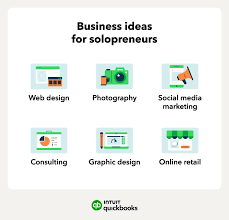
    Graphic Design / Web Design: If you have a creative eye and technical skills, this is a strong contender. Small businesses need logos, websites, and marketing materials. You can use tools like Canva to start if you’re new to design.

    As you grow, you can use more advanced software.

    Social Media Management: Businesses need a strong online presence. Many don’t have the time to manage their social media accounts. You can offer services like content creation, scheduling posts, engaging with followers, and running ad campaigns.

    Understanding different platforms is key.

    Consulting: Do you have deep expertise in a specific field? Maybe marketing, finance, or HR? You can offer consulting services to businesses.

    This often involves advising clients on how to improve their operations or strategies. It requires proven experience and a strong portfolio.

    Online Tutoring / Coaching: Share your knowledge with others. If you excel in a subject like math, science, or a musical instrument, you can tutor students. Life coaches help people achieve personal or professional goals.

    This is very rewarding. You need patience and good people skills.

    Bookkeeping / Accounting for Small Businesses: Many small businesses can’t afford a full-time accountant. Offering bookkeeping services can be a great niche. You need to be detail-oriented and understand accounting principles.

    Often, a basic accounting certification helps build trust.

    Quick-Scan Table: Solo Service Ideas

    Service Type Skills Needed Startup Ease Growth Path
    Freelance Writing Writing, grammar, research Very Easy Niche specialization, higher rates, agency
    Virtual Assistant Organization, communication, tech-savviness Easy Specialization, team building
    Graphic Design Creativity, design software, branding Medium Higher-end clients, motion graphics, branding packages
    Social Media Mgmt. Platform knowledge, strategy, creativity Easy Ad management, analytics, full-service marketing
    Consulting Deep expertise, problem-solving, communication Medium (credibility) Workshops, online courses, team expansion

    Ideas You Can Build Solo: Digital Products

    Digital products offer a path to passive income. Once created, they can be sold many times over. This is a huge advantage for a solo founder.

    You build it once, then it can sell while you sleep. This requires upfront work but can pay off long-term.

    Ebooks and Guides: Share your expertise in a written format. If you know a lot about a specific topic, write a book about it. This could be anything from a recipe book to a guide on learning a new skill.

    Platforms like Amazon Kindle Direct Publishing make it easy to publish.

    Online Courses: Package your knowledge into video lessons, quizzes, and worksheets. People are always looking to learn new things. If you can teach a skill effectively, an online course can be very popular.

    Platforms like Teachable or Udemy host courses. You can also self-host.

    Templates and Presets: Many people need help with design or organization. You can create templates for social media graphics, resumes, presentations, or spreadsheets. Photographers and designers can sell Lightroom presets or Photoshop actions.

    Etsy and Creative Market are good places to sell these.

    Stock Photos or Videos: If you have a good camera and an eye for composition, you can sell your photos or videos. Sites like Shutterstock, Adobe Stock, and Getty Images allow contributors. Focus on popular niches or underserved areas.

    Software Tools (SaaS – Small Scale): If you have coding skills, you can build a small, niche software tool. Think of a simple app that solves one specific problem for a group of people. For instance, a time-tracking tool for freelancers or a specific calculator for a niche industry.

    You can start with a minimum viable product (MVP).

    Printables: This is similar to templates but for physical items. Think planners, journals, wall art, or educational worksheets for kids. These are popular on Etsy.

    They are easy to create with design software and once made, can be sold repeatedly.

    Digital Product Creation: Your Solo Toolkit

    Idea Validation: Before creating, research demand. Use keyword tools and look at existing products.

    Creation Tools: Depending on the product, you’ll need software like Canva, Adobe Suite, writing tools, or video editing software.

    Platform Choice: Decide where to sell. Marketplaces like Etsy, Amazon, or dedicated platforms like Teachable or Gumroad.

    Marketing: Even digital products need promotion. Use social media, content marketing, or paid ads.

    Customer Support: Be prepared to answer questions and handle issues, even for digital goods.

    Ideas You Can Build Solo: Content & Community

    Building an audience takes time. But once you have one, you can monetize it in many ways. This is a powerful strategy for solo founders.

    It’s about creating value and fostering connection.

    Niche Blogging: As I mentioned, blogs can grow. Focus on a very specific topic. Become the go-to source for information.

    Monetize through ads, affiliate marketing, or selling your own products. It requires consistent writing and SEO knowledge.

    YouTube Channel: If you’re comfortable on camera or with voiceovers, YouTube is huge. Create content around a passion or expertise. Monetize through ads, sponsorships, and merchandise.

    Building a subscriber base is key. It requires video editing skills and consistent uploads.

    Podcasting: Audio content is booming. Start a podcast on a topic you love. Interview experts or share your own insights.

    Monetize through sponsorships, affiliate marketing, or premium content. It requires good audio equipment and editing skills.

    Building an Online Community: Create a space where like-minded people can connect. This could be a Facebook group, a Discord server, or a dedicated forum. Monetize through premium memberships, courses, or sponsored posts within the community.

    Requires strong moderation and engagement skills.

    Newsletter: Curate valuable content and send it to subscribers regularly. Newsletters can be powerful. They build a direct relationship with your audience.

    Monetize through sponsorships, affiliate links, or selling your own products. Platforms like Substack make this easy.

    Community Building: A Solo Founder’s Advantage

    Engagement is Key: Actively participate. Ask questions, respond to comments, and foster discussions.

    Value First: Provide genuine value through your content, insights, or resources.

    Consistency Matters: Regularly share content and engage with your community.

    Listen and Adapt: Pay attention to what your community wants and needs.

    Monetization Options: Explore ads, affiliate marketing, premium content, merchandise, or direct sales.

    Ideas You Can Build Solo: Physical Products (Niche & Small Scale)

    While many physical products need scale, some niche ones can work for solo founders. Especially if you can start small and manage production yourself.

    Handmade Crafts: If you’re skilled at making jewelry, pottery, knitted items, or custom art, you can sell them. Platforms like Etsy are perfect for this. Focus on unique, high-quality items.

    Your passion and craftsmanship are your selling points.

    Niche E-commerce (Dropshipping or Curated): Dropshipping allows you to sell products without holding inventory. You partner with a supplier who ships directly to your customer. This reduces upfront costs.

    However, quality control and customer service can be challenging. Curating a small selection of unique products in a niche can also work, especially if you source them directly or ethically.

    Customized or Personalized Items: Think custom t-shirts, mugs, or phone cases. You can use print-on-demand services to handle the printing and shipping. This minimizes your inventory risk.

    You focus on design and marketing.

    Specialty Food Items (Local): If you bake amazing cookies, make unique jams, or create artisanal hot sauces, you might be able to sell them locally. Check your local regulations for food businesses. This can start very small, from your own kitchen, and grow to farmers’ markets or local shops.

    Starting with Physical Products Solo

    Start Small: Don’t overcommit to inventory. Test the market with limited runs.

    Focus on Quality: Your product must stand out. Craftsmanship or unique features are vital.

    Efficient Shipping: Figure out shipping costs and methods early. Offer clear options to customers.

    Leverage Online Marketplaces: Etsy, Shopify, or even Instagram can be great for reaching customers.

    Legal Checks: Ensure you comply with any regulations, especially for food or handmade items.

    The Mindset of a Solo Founder

    Building a business alone is as much a mental game as it is a strategic one. You need a specific mindset to thrive.

    Resilience: Things will go wrong. You will face setbacks. You need to bounce back.

    Learn from mistakes and keep moving forward. It’s about grit.

    Self-Discipline: There’s no boss to tell you what to do. You must be your own boss. Set goals, create schedules, and stick to them.

    Motivation can fade, but discipline carries you through.

    Continuous Learning: You’ll have to learn new skills constantly. Marketing, sales, customer service, finance. Embrace learning.

    Read books, take online courses, and experiment. Every new skill is a tool for your business.

    Problem-Solving: Every day brings new challenges. You need to be a natural problem-solver. Break down big issues into smaller steps.

    Find creative solutions. Don’t get overwhelmed.

    Focus: It’s easy to get distracted. Especially with so many potential ideas and tasks. Learn to prioritize.

    Focus on what truly matters for your business growth. Say no to distractions.

    Essential Solo Founder Habits

    Daily Planning: Start each day with a clear to-do list.

    Time Blocking: Allocate specific times for different tasks.

    Regular Breaks: Avoid burnout. Step away to recharge.

    Seeking Feedback: Ask trusted mentors or early customers for honest input.

    Celebrating Wins: Acknowledge your progress, no matter how small.

    Real-World Context: Challenges and Triumphs

    Let’s talk about the gritty reality. Building a business alone isn’t always glamorous. I remember a period when my freelance writing business was picking up.

    I was juggling multiple clients. Deadlines were tight. One week, two major clients needed urgent work.

    I was up late every night. My apartment looked like a paper storm. I felt exhausted and isolated.

    I questioned if I could really do this solo.

    That feeling of being overwhelmed is real. You are the product, the marketer, the salesperson, the accountant. It’s a lot.

    But then, I’d get a thank-you email. Or a client would send a referral. Those moments were lifelines.

    They reminded me why I started. They gave me the energy to push through. I learned to manage my time better.

    I learned to say no to projects that didn’t fit. I learned to ask for help with small tasks when I could afford it. This allowed me to reclaim some balance.

    Another triumph was launching my first ebook. I spent months writing and editing. Then came the launch day.

    I was nervous. What if no one bought it? But people did.

    Readers shared it. They left reviews. Seeing my words reach and help others was an incredible feeling.

    It was proof that a single person, with enough effort and a clear idea, could create something meaningful and successful. It wasn’t easy, but the reward was immense. It showed me the true potential of solo entrepreneurship.

    What This Means for You: When to Start

    So, when is the right time to dive into a solo startup? The truth is, there’s rarely a perfect moment. But there are signs you’re ready.

    You have a strong idea. You’ve done some research. You have a bit of time and energy to dedicate.

    You have a supportive network, even if they aren’t partners. And crucially, you have the drive to make it happen.

    Don’t wait for all the stars to align. Perfection is the enemy of progress. If you have a solid plan and a willingness to learn and adapt, you can start.

    It’s okay to start small. Offer a service part-time. Create a simple digital product.

    Build your audience slowly. The most important step is the first one.

    When you face challenges, remember why you started. Keep your long-term vision in mind. Celebrate small victories.

    Learn from every experience. The journey of a solo founder is tough but incredibly rewarding. It builds skills, confidence, and a business you can be proud of.

    You have the power to build something amazing, all on your own.

    Quick Fixes & Tips for Solo Founders

    Here are some actionable tips to help you on your solo journey:

    • Automate Where Possible: Use tools for scheduling social media, invoicing, or email marketing. This saves precious time.
    • Outsource Non-Core Tasks: As you earn, consider outsourcing things like bookkeeping or complex design work. Focus your energy on what only you can do.
    • Build a Strong Online Presence: Your website and social media are your storefront. Make them professional and engaging.
    • Network Wisely: Connect with other entrepreneurs, even solo ones. Share experiences and support each other.
    • Take Care of Yourself: Burnout is the enemy. Prioritize sleep, exercise, and downtime.
    • Set Realistic Goals: Break down big ambitions into smaller, achievable steps.

    Frequently Asked Questions About Solo Startups

    Can I really build a successful business entirely alone?

    Yes, many successful businesses were started by solo founders. It requires careful planning, focus, and a great idea. You’ll need to leverage your skills effectively and choose a business model that’s manageable for one person.

    What kind of business ideas are best for solo entrepreneurs?

    Service-based businesses, digital products, niche content creation, and small-scale handmade goods are often great fits. These tend to have lower startup costs and can be managed by one person effectively.

    How do I handle all the different roles needed for a business?

    Start by focusing on your core strengths. Use tools to automate tasks. As you grow, consider outsourcing non-essential tasks.

    Continuous learning is also key to picking up new skills as needed.

    What if I don’t have a unique or groundbreaking idea?

    You don’t need a revolutionary idea. Many successful businesses improve on existing concepts or serve a niche market exceptionally well. Focus on execution, customer service, and solving a specific problem for your target audience.

    How much money do I need to start a solo business?

    It varies greatly. Some online services can be started with very little money, perhaps just for a website and some software. Digital products might require software investment.

    Physical products or tech startups might need more. It’s important to research the specific costs for your chosen idea.

    What are the biggest challenges solo founders face?

    Common challenges include managing workload, avoiding burnout, wearing too many hats, dealing with isolation, and making all decisions independently. Building resilience and strong self-discipline is crucial.

    Conclusion: Your Solo Path to Entrepreneurship

    Starting a business on your own is an empowering path. It allows for immense personal growth and control. By choosing the right idea and cultivating a resilient mindset, you can build something remarkable.

    Focus on leveraging your unique strengths and on creating genuine value for your customers. Your solo journey starts now.

  • Profitable Solo Ventures

    Feeling that pull to go solo? Maybe you dream of being your own boss. You want work that fits your life.

    Not the other way around. It’s a common feeling. Many people start their own thing.

    They look for ways to make money on their own terms. It can seem a bit scary. Or maybe even impossible at first.

    But many small efforts can lead to big rewards. Let’s dive into how you can find a profitable solo venture.

    Profitable solo ventures focus on leveraging individual skills and passions into a sustainable business. They often start small, require minimal upfront investment, and prioritize flexibility and work-life balance for the entrepreneur.

    Understanding Solo Ventures

    A solo venture is a business. It’s run by just one person. You are the boss, the employee, and everything in between.

    This means you get to make all the big decisions. You also handle all the tasks. It sounds like a lot.

    But it also means pure freedom. You control your time. You pick your projects.

    You keep all the profits.

    The goal is to make money. But it’s more than just that. It’s about finding work you enjoy.

    Work that uses what you’re good at. Work that solves a problem for others. Think about what you love to do.

    What are you skilled at? What do people often ask you for help with? These are clues to a great solo business idea.

    Many solo ventures don’t need a big office. They don’t need a large team. They often use online tools.

    Or they serve people in their local area. The key is to find a need. Then, you fill that need with your unique talents.

    This makes it profitable. It also makes it fulfilling.

    Finding Your Niche: What Makes You Spark?

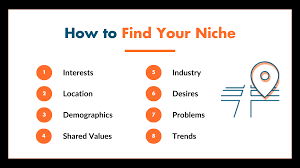
    The first big step is finding your niche. This is the special area where you will work. It’s where your skills meet what people need.

    Don’t try to be everything to everyone. That’s a quick way to get overwhelmed. Instead, focus on one thing.

    Do it very well.

    Think about your hobbies. Do you love to bake? Can you make beautiful crafts?

    Are you great with pets? These can all become businesses. Think about your job skills.

    Are you a good writer? Can you organize events? Are you tech-savvy?

    These are also great starting points.

    What problems do your friends ask you to fix? Maybe you’re the go-to person for tech issues. Or perhaps you give great advice on style.

    These are signs of a potential service. People will pay for solutions. They will pay for expertise.

    They will pay for convenience.

    It’s also wise to look at what’s trending. What are people talking about? What needs are not being met?

    But don’t just chase trends. Make sure it’s something you can stick with. Something you’re genuinely interested in.

    Passion helps you push through tough times.

    Brainstorming Your Passion & Skills

    What do you love to do? List 5 things.

    What are you really good at? List 5 skills.

    What problems do you see? List 3 problems others face.

    Combine them! Look for overlaps. This is your starting point.

    Many successful solo ventures start with a simple idea. They grow from there. The key is to start.

    Don’t wait for the perfect moment. The perfect moment is now. With a clear niche, you can tailor your offerings.

    You can reach the right customers. This makes your venture profitable.

    Profitable Solo Venture Ideas for Every Skill Set

    Let’s look at some real ideas. These are ventures people run successfully on their own. They cover many different skills.

    Pick one that sparks your interest. Or use these as a jumping-off point.

    Creative & Craft-Based Ventures

    If you have a creative streak, there are many paths. You can make and sell things. Or you can offer creative services.

    Etsy Shop Owner: This is for makers. You can sell handmade jewelry. Or custom-made candles.

    You could sell unique art prints. Or knitted items. The key is quality.

    And good photos of your items. You’ll need to promote your shop. Social media is your friend here.

    Good customer service is also vital. This lets you build a loyal following.

    Freelance Graphic Designer: Businesses always need logos. They need website graphics. They need social media art.

    If you have design skills, this is a strong option. You can work from home. You can set your own hours.

    You’ll need a portfolio. This shows off your best work. Websites like Upwork or Fiverr can help you find clients.

    Or you can reach out directly to businesses.

    Custom Cake Baker/Decorator: For those who love baking, this is sweet. People love custom cakes for parties. Or weddings.

    You can specialize in a certain style. Maybe rustic cakes. Or elegant fondant designs.

    You’ll need to be good at baking. And decorating. Food safety is also very important.

    Start with local orders. Word-of-mouth is powerful here.

    Hand Lettering Artist: Beautiful writing is an art. You can offer custom signs. Or wedding invitations.

    Many people want unique calligraphy. It adds a personal touch. You can sell your work online.

    Or offer your services for events. Practice is key. Building a strong portfolio is also crucial.

    Quick-Scan Table: Creative Ventures

    Venture Idea Key Skill(s) Getting Started Profit Potential
    Etsy Shop Owner Crafting, Photography, Marketing Set up shop, list items Moderate to High
    Freelance Graphic Designer Design Software, Creativity, Client Skills Build portfolio, find clients High
    Custom Cake Baker Baking, Decorating, Food Safety Practice, local orders, social media Moderate to High
    Hand Lettering Artist Calligraphy, Design, Marketing Practice, portfolio, online sales Moderate

    Service-Based Ventures

    Services are often easier to start. They require less inventory. Your main asset is your time and skill.

    These are very popular solo ventures.

    Virtual Assistant (VA): Many businesses need help. But they don’t need a full-time employee. A VA can handle emails.

    Schedule appointments. Manage social media. Or do data entry.

    If you are organized and good with computers, this is great. You can work from anywhere. You can find clients online.

    Or through networking.

    Professional Organizer: Do you love making order out of chaos? Many people struggle with clutter. You can help them declutter homes.

    Or offices. You offer practical solutions. And a calm presence.

    You’ll need good people skills. And the ability to create systems. Start with friends and family.

    Then ask for testimonials.

    Online Tutor: Are you good at a specific subject? Math, science, or English? Many students need extra help.

    You can tutor them online. You can set your own rates. And your own hours.

    You just need a reliable internet connection. And knowledge of the subject. Platforms like TutorMe or Chegg Tutors can connect you with students.

    Social Media Manager: Businesses need a strong online presence. They need help posting on social media. Creating content.

    And engaging with followers. If you understand social media trends, this is a good fit. You can manage accounts for multiple clients.

    You’ll need to show results. Like increased engagement or followers.

    Bookkeeper: Small businesses often need help with finances. They need someone to track income and expenses. And prepare basic financial reports.

    If you have accounting or finance knowledge, this is valuable. You can offer your services remotely. Accuracy and trust are key here.

    You may need specific software skills.

    Service Venture Flow: From Idea to Income

    1. Identify Your Skill: What service can you offer?

    2. Define Your Client: Who needs this service?

    3. Package Your Offer: What do clients get?

    4. Set Your Price: How much will you charge?

    5. Find Clients: Use online platforms or local outreach.

    6. Deliver Excellent Service: Build a good reputation.

    Expertise-Based Ventures

    If you have deep knowledge in a certain area, you can share it. You can teach others. Or offer consulting.

    Business Coach: Many entrepreneurs struggle. They need guidance. If you have experience building businesses, you can help.

    You can offer one-on-one coaching. Or group workshops. You help clients set goals.

    And create plans. This requires strong communication skills. And proven success.

    Health and Wellness Coach: People want to live healthier lives. You can help them. If you have a background in fitness or nutrition, you can coach clients.

    You’ll help them set health goals. And create sustainable habits. Certifications can add credibility.

    But practical experience is often key.

    Tech Consultant: Small businesses often need IT help. But can’t afford a full-time IT person. You can offer services.

    Like setting up networks. Or troubleshooting computer issues. Or advising on software.

    If you’re great with technology, this is a solid choice. You need to stay updated on new tech.

    Content Creator/Blogger: If you love writing. And have a lot to say about a topic. You can start a blog.

    Or create video content. You can earn money through ads. Or affiliate marketing.

    Or selling your own products. This takes time to build an audience. But it can be very rewarding.

    Consistency is crucial.

    Online Course Creator: Turn your expertise into a course. Many people want to learn new skills. You can create video lessons.

    Or written materials. And sell your course on platforms. Like Teachable or Udemy.

    Or your own website. This requires upfront work. But can create passive income later.

    Expertise Venture – Myth vs. Reality

    Myth: You need a fancy degree to be an expert.

    Reality: Real-world experience and proven results often matter more.

    Myth: You need to be the only expert in your field.

    Reality: You just need to be more knowledgeable or helpful than your target audience.

    Myth: Expertise alone makes you rich.

    Reality: You still need business skills like marketing and sales.

    Building Your Solo Venture: The Practical Steps

    So, you have an idea. That’s fantastic! Now, how do you make it real?

    And profitable? Here are the key steps.

    1. Business Plan (Keep it Simple!)

    You don’t need a 50-page document. Just a simple plan. Write down:

    • Your business idea.
    • Who your customers are.
    • What you are selling.
    • How you will make money.
    • What your costs will be.
    • How you will reach customers.

    This plan helps you stay focused. It’s your roadmap.

    2. Legal Stuff (Don’t Skip This!)

    This might seem boring. But it’s important. You need to decide on your business structure.

    For a solo venture, it’s often a Sole Proprietorship. Or maybe an LLC. Check with your local government.

    You might need a business license. Or permits. These vary by location and business type.

    Registering your business name is often a good idea. Even if it’s just your own name. It makes you look more professional.

    And helps protect your brand. Also, think about taxes. You’ll need to set aside money for them.

    Consider talking to an accountant early on. They can guide you through this.

    3. Setting Up Your Workspace

    Even a solo venture needs a space. It might be a corner of your living room. Or a dedicated home office.

    Make it comfortable. And organized. You need a place where you can focus.

    And be productive. Good lighting helps. And a comfortable chair.

    You’ll also need the right tools. This depends on your venture. For a writer, it’s a good computer.

    For a baker, it’s kitchen equipment. For a VA, it’s reliable internet and a phone. Invest in quality tools.

    They will save you time and frustration later.

    4. Pricing Your Services or Products

    This is tricky for many. How much should you charge? You need to cover your costs.

    And make a profit. But you also need to be competitive. Research what others charge.

    For similar offerings. Don’t undervalue yourself. Your skills and time have worth.

    Consider different pricing models. Do you charge by the hour? Or by the project?

    Or a retainer fee? For products, consider material costs. And your time spent making them.

    Add a profit margin. Don’t be afraid to adjust prices as you learn more.

    5. Marketing and Finding Clients

    No business thrives without customers. You need to tell people you exist. And why they should choose you.

    • Online Presence: A simple website is a must. It shows you’re serious. Social media is also key. Post regularly. Share valuable content. Engage with your audience.
    • Networking: Talk to people! Attend local events. Join online groups. Let people know what you do. Many of my best clients came from referrals.
    • Content Marketing: Write blog posts. Create videos. Share your knowledge. This shows your expertise. And attracts people looking for solutions.
    • Testimonials: Ask happy clients for reviews. Positive feedback builds trust. And encourages new customers.

    Start small. Pick one or two marketing methods. Do them well.

    Then expand as you grow.

    Solo Venture Setup Checklist

    Business Name: Chosen and registered?

    Legal Structure: Sole Proprietor or LLC decided?

    Licenses/Permits: Applied for if needed?

    Bank Account: Separate business account opened?

    Workspace: Set up and functional?

    Essential Tools: Acquired and ready?

    Pricing Strategy: Defined and clear?

    Marketing Plan: Basic steps outlined?

    The Reality of Solo Ventures: Challenges and Triumphs

    Running your own business isn’t always easy. There will be challenges. But the rewards can be immense.

    Let’s be real about both.

    Challenges You Might Face

    Isolation: Working alone can feel lonely sometimes. You miss the office chatter. Or the quick chat with a colleague.

    Find ways to connect. Join online communities. Or attend co-working events.

    Motivation: You are your own boss. That means you have to motivate yourself. On days when you don’t feel like working.

    It’s easy to get distracted. Or procrastinate. Stick to a schedule.

    Set daily goals. Celebrate small wins.

    Income Fluctuation: Some months will be great. Others might be slow. Especially when you’re just starting.

    You need to be good with money. Build an emergency fund. To cover slow periods.

    Wearing Too Many Hats: You do everything. Marketing. Sales.

    Customer service. Bookkeeping. Sometimes it feels like too much.

    Learn to delegate when possible. Or outsource tasks you dislike. Or aren’t good at.

    Client Issues: Not every client will be a dream. You might deal with late payments. Or demanding clients.

    Set clear expectations upfront. Have contracts in place. Learn to say no to bad fits.

    What I Learned From My Own Solo Journey

    I remember when I first started my freelance writing business. I thought it would be simple. Just write.

    Get paid. Oh, how wrong I was! I spent hours staring at a blank screen.

    Wondering how to find clients. My first few months were tough. I was constantly worried about money.

    I felt so alone. Like I was the only one struggling.

    One day, I was working late. The house was quiet. I was stressed about a proposal I had to send.

    I spilled coffee all over my keyboard. It was a small thing, but it felt like the last straw. I sat back.

    And almost laughed at the absurdity. I was so deep in the weeds. I had forgotten why I started.

    For the freedom. For the flexibility.

    That moment was a turning point. I realized I needed a better system. I needed to focus on what worked.

    I started using a simple project management tool. I made a clear daily routine. I joined a writers’ online group.

    Just talking to others who understood made a huge difference. I learned to be more proactive in finding clients. Instead of waiting for them to find me.

    Slowly, things started to change. My income became more steady. I felt more in control.

    The feeling of accomplishment when I landed a big project was amazing. It still is. The late nights and occasional coffee spills are part of it.

    But they are far outweighed by the joy of building something of my own. Something that truly reflects me.

    The Triumphs Worth Striving For

    Despite the challenges, the triumphs are incredible.

    • Freedom: You set your own schedule. You choose your projects. You work where you want. This is huge.
    • Growth: You learn so much. About your industry. About business. About yourself. You grow more in a year solo than in five years employed.
    • Impact: You help people. You solve problems. You make a difference. This is incredibly fulfilling.
    • Financial Rewards: Your hard work pays off directly. The more you put in, the more you can earn.
    • Personal Satisfaction: Building something from scratch is a powerful feeling. It’s a testament to your dedication.

    Personal Experience: A Day in the Life of a Solo Entrepreneur

    Morning: Coffee, check emails, plan the day’s top 3 tasks.

    Late Morning: Deep work on a client project or content creation.

    Lunch: Step away, a quick walk outside.

    Afternoon: Client calls, administrative tasks, marketing outreach.

    Late Afternoon: Review day’s progress, plan for tomorrow.

    Evening: Unplug, spend time with family/friends, personal interests.

    What This Means For You: When to Worry and When to Celebrate

    So, you’re thinking about starting a solo venture. Or maybe you just started. Here’s what to look out for.

    When It’s Normal to Feel Unsettled

    It’s completely normal to feel a bit lost at first. Especially in the first few months. Or if you’re venturing into a totally new field.

    Don’t panic if sales are slow. Or if you’re not sure if you’re doing things right. Most solo entrepreneurs go through this phase.

    Feeling overwhelmed is also common. You’re juggling a lot. Just remember to take it one step at a time.

    Break big tasks into smaller ones. Celebrate the small wins. Did you finish a difficult report?

    Great! Did you get a new inquiry? Awesome!

    Acknowledge your progress.

    When to Consider Adjusting Course

    There are times when you need to pay attention. If you’ve been working hard. For months.

    And still see no progress. Or no customers. It might be time to rethink your idea.

    Or your approach. Is your niche too small? Is your pricing off?

    Are you reaching the right people?

    If you dread starting your day. Or feel completely burned out all the time. That’s a sign something needs to change.

    It might be your business model. Or it might be your work habits. Are you taking enough breaks?

    Are you setting boundaries?

    Talk to other solo entrepreneurs. Get their advice. Sometimes an outside perspective is all you need.

    Don’t be afraid to pivot. Or tweak your offering. It’s part of the learning process.

    The goal is to build a sustainable business. Not one that burns you out.

    Simple Checks for Your Solo Venture

    • Are you making money? Track your income and expenses. Even if it’s small amounts.
    • Do you have customers? Even one or two is a start.
    • Do you enjoy it? At least most of the time?
    • Are you learning? Every day brings new lessons.
    • Are you meeting your goals? Even small ones.

    If you can answer yes to most of these. You’re likely on the right track. Celebrate that!

    Quick Tips for Solo Venture Success

    Here are some simple tips that really help.

    • Be Patient: Success rarely happens overnight. Keep working.
    • Stay Organized: Use calendars, to-do lists, and project tools.
    • Learn Constantly: Read books, take courses, follow experts.
    • Build Your Network: Connect with others. Offer help.
    • Ask for Help: Don’t try to do everything alone.
    • Take Care of Yourself: Sleep, eat well, exercise. Your health is your wealth.
    • Be Flexible: Plans change. Be ready to adapt.

    Frequent Questions About Profitable Solo Ventures

    What is the best profitable solo venture to start?

    The “best” venture depends on your skills, interests, and local market needs. Consider services like virtual assistance, social media management, or freelance writing. For creatives, Etsy shops or custom crafts can be profitable.

    Always research demand and your own strengths.

    How much money do I need to start a solo venture?

    Many solo ventures can be started with very little money. Often, you just need a computer and internet. Service-based businesses typically require less startup capital than product-based ones.

    Focus on leveraging existing skills and resources first.

    How long does it take to make a solo venture profitable?

    Profitability varies greatly. Some ventures can see profit in a few months, especially service-based ones with low overhead. Others, like content creation or product businesses, may take a year or more to become consistently profitable.

    Patience and consistent effort are key.

    What are the biggest mistakes solo entrepreneurs make?

    Common mistakes include not having a clear niche, undervaluing their services, poor financial management, and neglecting marketing. Trying to do too much without a system, and not asking for help are also frequent pitfalls.

    Can I have a profitable solo venture and a full-time job?

    Yes, many people start profitable solo ventures on the side while keeping their full-time job. This allows you to test the waters, build a client base, and generate income before quitting your job. It requires strong time management and dedication.

    How do I find my first clients for a new solo venture?

    Start by telling your network – friends, family, former colleagues. Use online platforms like LinkedIn or industry-specific job boards. Offer introductory rates or a small initial project to build trust and get testimonials.

    Local community groups and social media can also be effective.

    Conclusion: Your Solo Journey Awaits

    Starting a profitable solo venture is a journey. It’s one that rewards courage and hard work. Focus on your unique talents.

    Solve a real problem for people. And don’t be afraid to start small. The path may have bumps.

    But the freedom and fulfillment are worth it. Your independent business success story starts now.

  • Small Startup Ideas

    Small startup ideas focus on leveraging personal skills, digital tools, and minimal initial investment to launch a business. They prioritize proving a concept and gaining customers with less risk, making entrepreneurship accessible to more people. The key is starting lean and growing organically.

    What Are Small Startup Ideas?

    Small startup ideas are business concepts that need very little money to get going. You don’t need a big office. You don’t need to buy lots of fancy equipment at first.

    These businesses often use what you already own. This includes your computer, your phone, or even just your time and talent. They are great for people who have a skill or a passion they want to turn into income.

    Think about things like offering a service. Or maybe selling something you make yourself. The goal is to get started fast.

    Then, you can grow as you make money. It’s about being smart with resources. You use your brain more than your wallet.

    Many successful companies began this way. They found a need in the market. Then, they filled that need with a simple, low-cost solution.

    The founders often worked from home. They used online tools to reach customers. As more people bought their products or services, they reinvested their profits.

    This allowed them to grow slowly and steadily. It’s a path many entrepreneurs take to build something lasting. It shows that you don’t need a fortune to start a business.

    My First Small Startup Story

    I remember when I first thought about starting a side hustle. It was years ago. I loved helping friends with their computer problems.

    They always seemed confused by technology. One evening, after fixing my neighbor’s printer for the third time that month, I had an idea. My neighbor, Mrs.

    Gable, was so grateful. She offered to pay me for my time. That’s when it hit me.

    People need tech help. And they are willing to pay for it. My startup cost?

    Almost zero. I already had a laptop and a smartphone. I used my existing internet connection.

    I created a simple flyer. I gave it to neighbors and posted it on a local online group. I called myself “Tech Help at Home.” My service was basic: setting up new computers, installing software, and fixing Wi-Fi.

    My first few clients were friends and neighbors. I charged a small hourly rate. It felt amazing to make money from something I enjoyed.

    I was nervous at first. What if no one called? But they did.

    Slowly, word spread. This little side hustle gave me confidence. It showed me that small startup ideas can really work.

    Ideas That Need Almost No Money

    1. Digital Services: Offer skills like writing, graphic design, or social media help online. Many businesses need these things.

    2. Consulting: If you’re an expert in something, share your knowledge. People will pay for good advice.

    3. Handmade Goods: Create crafts, art, or baked goods. Sell them online or at local markets.

    4. Tutoring: Help students with subjects you know well. This can be done in person or online.

    5. Pet Sitting/Dog Walking: If you love animals, this is a great way to earn money. It requires very little startup cash.

    Choosing Your Small Startup Idea

    Picking the right idea is key. It’s not just about what’s popular. It’s about what fits YOU.

    Think about what you are good at. What do you enjoy doing? What problems do you see around you?

    People pay to have their problems solved. So, finding a problem is like finding a business opportunity. Don’t try to be everything to everyone.

    Start focused. Think about a specific group of people you want to help. This makes your message clearer.

    And it helps you find customers more easily.

    Consider your personal skills. Are you a great organizer? Maybe you can offer decluttering services.

    Do you love to write? You could be a freelance writer. Are you handy around the house?

    Repair services are always in demand. Also, think about your passions. If you love cooking, maybe you can start a small catering service for local events.

    Or sell your jams and preserves. The best small startup ideas often come from mixing your skills with your interests.

    Types of Low-Cost Startups

    There are many paths for starting a business with little money. Service-based businesses are a big one. These use your time and skills.

    They don’t need to stock lots of inventory. Examples include consulting, freelance writing, virtual assistance, and coaching. You just need a way to connect with clients.

    And a way to deliver your service. Often, a computer and internet are all you need.

    Another type is digital products. Think of e-books, online courses, or templates. Once you create them, you can sell them many times.

    The cost to create them is your time and knowledge. Selling them online has low overhead. Physical products can also be low-cost.

    This might involve handmade items. Or dropshipping, where you don’t keep inventory yourself. You partner with a supplier who ships directly to your customer.

    Service-Based Businesses

    Service businesses are fantastic for low startup costs. You are selling your expertise. This could be anything from accounting help to gardening advice.

    Let’s break down a few popular ones. Virtual assistants (VAs) are very popular. They help businesses with tasks like managing emails, scheduling, and social media.

    You can do this from anywhere. You just need a computer and good communication skills.

    Freelance writing is another great option. If you have a knack for words, businesses always need content. This includes website copy, blog posts, and marketing materials.

    Graphic design is similar. Many small businesses can’t afford a full-time designer. They hire freelancers for logos, social media graphics, and brochures.

    Web development or design is also in demand. Even basic website setup can be a service you offer.

    Quick Scan: Service Business Examples

    Category | What You Do | Startup Needs

    Virtual Assistant | Admin tasks, scheduling | Computer, internet, phone

    Freelance Writer | Content creation, editing | Computer, internet, writing skills

    Social Media Manager | Online posting, engagement | Computer, internet, social media savvy

    Bookkeeper | Financial record keeping | Computer, accounting software, knowledge

    Event Planner | Organizing gatherings | Phone, computer, organizational skills

    Creative & Craft Businesses

    If you have a creative streak, there are many ways to earn money. Making and selling handmade items is a classic. This could be anything from knitted scarves to custom jewelry.

    Or perhaps artisanal soaps and candles. The key here is quality and uniqueness. People often pay a premium for handmade items that stand out.

    Platforms like Etsy make it easy to reach a global audience.

    Photography is another creative field. You might start with event photography, like small parties or family portraits. Or perhaps product photography for local businesses.

    You’ll need a good camera. But you can rent or borrow one initially. If you’re a painter or illustrator, you can sell your artwork.

    You can also create prints or merchandise featuring your designs. Don’t forget digital art. Creating custom digital portraits or illustrations is very popular.

    Online & Digital Businesses

    The internet has opened up so many doors for entrepreneurs. Online courses are a huge market. If you know a lot about a specific topic, you can create a course.

    You can teach people a skill, share your knowledge, or offer a unique perspective. Platforms like Teachable or Udemy help you host and sell your courses.

    Blogging and affiliate marketing are other options. You can start a blog about a topic you love. Then, you earn money by recommending products or services.

    When people buy through your special links, you get a commission. This takes time to build an audience. But the startup cost is minimal.

    Just a website and your writing. E-books are similar to online courses. You write a guide or story.

    Then, you sell it online. This requires strong writing skills and a good topic.

    Digital Product Ideas Checklist

    Product Type | What You Need | How to Sell

    E-book | Writing skills, topic knowledge | Amazon Kindle Direct Publishing, Gumroad

    Online Course | Expertise, video/audio tools | Teachable, Udemy, Skillshare

    Printables | Design software, creativity | Etsy, your own website

    Templates | Design software, user needs | Etsy, Creative Market, your website

    Stock Photos | Camera, editing skills | Shutterstock, Adobe Stock, your website

    Businesses That Solve Problems

    Every successful business solves a problem. Think about the daily frustrations people have. Your small startup idea can be the answer.

    Are people struggling to find reliable local services? You could create a curated directory or referral service. Do parents need help finding kid-friendly activities?

    You might build a local guide or booking platform.

    Consider the environment. Many people want to be more eco-friendly but don’t know how. You could offer consulting on sustainable living.

    Or sell eco-friendly home products. Is there a lack of specialized repair services in your town? Maybe appliance repair, phone repair, or even bicycle repair is needed.

    These require specific skills. But the startup cost can be low if you already have tools or can learn quickly.

    Food-Related Small Startups

    The food industry offers many opportunities for small businesses. Home bakers often start by selling cakes, cookies, or pies. You can take custom orders for birthdays or events.

    Or sell at local farmers’ markets. Check your local health department rules. They are very important for food businesses.

    Meal prep services are also growing. Busy people want healthy meals but lack time. You can cook and package meals for the week.

    This requires kitchen space and organization. Speciality foods are another niche. Think about gluten-free baking, vegan treats, or gourmet popcorn.

    Selling at markets or online can be a good start. You can also offer catering for small gatherings or office lunches.

    Pet-Related Businesses

    The pet industry is booming. People treat their pets like family. This means they spend money on their well-being.

    Dog walking and pet sitting are classic low-cost startups. If you love animals, this is a rewarding path. You can start by offering services to friends and neighbors.

    Good reviews and reliability will help you grow.

    Other ideas include mobile pet grooming. This requires some equipment, but you can start small. Or perhaps creating homemade, healthy pet treats.

    This falls under the creative/food category. You could also offer pet photography services. Or even simple training advice for new pet owners.

    Always ensure you understand local regulations for pet businesses.

    Pet Business Quick Tips

    Service | What to Do | Key Skills

    Dog Walking | Exercise and potty breaks | Reliability, love for dogs, physical fitness

    Pet Sitting | Care while owners are away | Trustworthiness, animal experience, patience

    Pet Treats | Baking healthy snacks | Food safety knowledge, creativity, packaging

    Pet Photography | Capturing pet personalities | Photography skills, patience with animals

    Grooming | Washing, clipping, styling | Animal handling, grooming techniques, hygiene

    Finding Your First Customers

    Once you have your idea, you need customers. This is where many new businesses stumble. Don’t wait for customers to find you.

    You need to actively seek them out. Start with your existing network. Tell everyone you know about your new venture.

    Friends, family, former colleagues – they might be your first clients or know someone who needs your service.

    Use social media. Create a business page. Share useful content related to your niche.

    Engage with potential customers. Local online groups are also great. Post about your services (following group rules).

    Offer an introductory discount for your first few clients. This can encourage them to try you out. Collect testimonials from happy customers.

    Positive reviews are powerful advertising.

    Marketing Your Small Startup on a Budget

    Marketing doesn’t have to cost a fortune. Content marketing is your friend. Write blog posts.

    Create helpful social media updates. Share your expertise. This attracts people who are interested in what you offer.

    Email marketing is also very effective. Collect email addresses from your website or clients. Send out newsletters with tips and offers.

    Networking is crucial. Attend local business events or online forums. Talk to people.

    Let them know what you do. Word-of-mouth is still one of the best forms of marketing. Encourage satisfied customers to tell their friends.

    Consider strategic partnerships. Team up with complementary businesses. For example, a wedding planner might partner with a baker.

    This helps you reach new audiences without spending a lot.

    Budget Marketing Tactics

    Tactic | How it Works | Cost

    Social Media | Share content, engage | Free (time investment)

    Content Marketing | Blog posts, guides | Free (time investment)

    Email Marketing | Newsletters, promotions | Low cost (email platforms)

    Networking | Connecting with others | Free or low cost (event tickets)

    Referral Program | Rewarding customers for referrals | Cost of discount/reward

    Local Listings | Google My Business, Yelp | Free

    Pricing Your Services or Products

    Setting the right price is tricky. You want to be competitive. But you also need to make a profit.

    Research what others charge for similar services or products. Look at both local and online options. Consider your costs.

    Factor in your time, materials, and any overhead. Don’t underprice yourself. It can make customers think your quality is low.

    For services, hourly rates are common. You can also offer project-based pricing. For products, calculate your material costs.

    Then add a markup for your labor and profit. Consider offering tiered pricing. For example, a basic package and a premium package.

    This gives customers options. As your reputation grows, you can gradually increase your prices.

    Legal and Financial Basics

    Even for small startup ideas, some basic legal and financial steps are important. You might need to register your business name. Check with your local city or county government.

    For many small service businesses, you can operate as a sole proprietor. This is the simplest structure. As you grow, you might consider an LLC (Limited Liability Company).

    Keep your business finances separate from your personal ones. Open a separate business bank account. Track all your income and expenses.

    This makes tax season much easier. You can use simple spreadsheets or accounting software. Understand your tax obligations.

    Consult with an accountant if you’re unsure. This helps avoid costly mistakes later on.

    Scalability of Small Startups

    Scalability means growing your business. For small startups, this is about smart growth. You don’t want to grow too fast and run out of resources.

    For service businesses, you can scale by hiring others. You can train them to do what you do. Or you can expand your service offerings.

    Think about adding related services. For example, if you offer social media management, you could add website design.

    For product businesses, scalability can involve increasing production. Or finding wholesale buyers. If you sell handmade items, you might partner with boutiques.

    Or explore larger online marketplaces. Digital products are highly scalable. Once created, they can be sold infinitely with minimal extra cost.

    This is why they are so popular for low-cost startups.

    Scalability: Idea vs. Reality

    Business Type | Easy to Scale? | How?

    Freelance Writing | Moderate | Hire other writers, offer editing/strategy

    Online Courses | High | Create more courses, advanced versions, community

    Handmade Crafts | Low to Moderate | Increase production, find distributors, licensing

    Local Service (e.g., cleaning) | Moderate | Hire more staff, franchise, offer add-on services

    App Development | High | Build more apps, add features, subscription models

    Overcoming Common Challenges

    Starting a business is never perfectly smooth. You will face challenges. One of the biggest is time management.

    When you’re doing everything yourself, it’s easy to get overwhelmed. Learn to prioritize tasks. Use tools to organize your day.

    Batch similar tasks together to be more efficient.

    Dealing with rejection is also hard. Not every pitch will land. Not every marketing campaign will work.

    Try not to take it personally. Learn from what didn’t work. Adjust your approach.

    Persistence is key. Also, don’t be afraid to ask for help. Connect with mentors or other entrepreneurs.

    They can offer valuable advice and support.

    Key Takeaways for Small Startups

    The most important thing is to start. Don’t wait for perfection. Get your idea out there.

    Learn as you go. Embrace the process. Your first small startup idea might not be the one that makes you rich.

    But it will teach you valuable lessons. It will build your confidence. Many successful entrepreneurs tried several ideas before finding “the one.”

    Focus on providing real value to your customers. Solve their problems. Make their lives easier.

    Happy customers are your best advocates. Keep learning. Keep adapting.

    The business world changes. Stay curious. And always believe in your ability to build something great, no matter how small you start.

    Frequently Asked Questions About Small Startup Ideas

    What is the easiest small startup idea to start with no money?

    Offering services based on your existing skills is usually the easiest. This could be freelance writing, social media management, virtual assistance, or tutoring. You likely already have a computer and internet connection, which are the main tools needed.

    How long does it take to make money from a small startup?

    This varies greatly. Service-based businesses can often start generating income within weeks, especially if you leverage your network. Product-based businesses, particularly online ones like blogs or e-commerce, might take several months to build an audience and start seeing consistent revenue.

    It depends on the business model and your marketing efforts.

    What if my idea isn’t unique?

    Many successful businesses aren’t entirely unique. What matters is how you deliver your product or service. You can focus on better customer service, a specific niche within the market, a unique branding approach, or a more convenient way of doing things.

    Your personality and expertise can also make your offering stand out.

    Do I need a business plan for a small startup?

    While a formal, lengthy business plan isn’t always necessary for very small, low-cost startups, you do need a clear idea of what you’re offering, who your customers are, and how you’ll make money. A simple one-page plan or even just outlining these key points can be incredibly helpful for focus and direction.

    How can I find my first few paying customers?

    Start by telling everyone you know about your business. Reach out to friends, family, and former colleagues. Post on local social media groups or community forums.

    Offer an introductory discount or a free consultation to attract initial clients. Collect testimonials from these early customers to build social proof.

    What are the biggest mistakes new entrepreneurs make with small startups?

    Common mistakes include waiting too long to start, trying to be perfect from day one, not marketing effectively, underpricing their services or products, and not separating business and personal finances. Underestimating the time commitment required is also a frequent pitfall.

    Final Thoughts on Starting Small

    Embarking on a new business journey can be exciting. With smart planning and a focus on low-cost strategies, you can turn your vision into reality. Remember, the best time to start was yesterday, but the next best time is now.

    Your passion and hard work are your greatest assets. Explore these small startup ideas and find the one that sparks your entrepreneurial spirit. You’ve got this!

  • Side Project Ideas That Make Money

    Turning a side project into income involves finding a need, offering a valuable skill or product, and marketing it effectively. Focus on solving a problem or bringing joy. Start small, learn from feedback, and grow as demand increases.

    What Makes a Side Project Profitable?

    A profitable side project is more than just a hobby. It’s something people are willing to pay for. This usually means it solves a problem for them.

    Or it brings them a lot of joy. Maybe it saves them time or effort. Some projects offer unique skills.

    Others sell creative products. The key is finding that overlap. Your skills meet a market need.

    Plus, you genuinely enjoy the work involved. Doing something you like makes it easier to stick with it. Especially when things get tough.

    Think about what problems you see around you. What do your friends or family complain about? What tasks are annoying or time-consuming for people?

    These are often opportunities. Your unique perspective matters. You might see a gap others miss.

    Consider your own talents too. What are you good at? What do you love learning about?

    Combining these two things is a great start.

    It’s also about understanding value. What is your time worth? What is a unique skill worth?

    What is a well-made product worth? People pay for quality. They pay for convenience.

    They pay for uniqueness. They pay for solutions. Your side project needs to offer one or more of these.

    Starting small is wise. You don’t need a huge investment. Many successful projects begin with little money.

    They grow as they earn. This reduces risk. It lets you test the waters.

    See if people respond. Your passion fuels the early stages. But market demand validates the idea.

    My Own Stumble Into Making Money From Projects

    I remember a few years back. I was feeling that familiar pinch. My main job was fine, but I wanted more freedom.

    More savings. I loved tinkering with my old desktop computer. I learned how to speed it up.

    Clean out junk files. Even upgrade small parts. It was a fun, quiet hobby.

    One evening, my neighbor, Sarah, was venting. Her laptop was crawling. She had a big work report due.

    She looked so stressed. I said, “Hey, I could take a look if you want.” She agreed, gratefully. I spent a few hours on it that weekend.

    I cleaned it up, installed some free software, and explained how to keep it running smoothly. She was amazed. “It’s like new!” she exclaimed.

    She insisted on paying me. It wasn’t much, but it felt… good. Really good.

    Like my hobby had real value.

    That little moment sparked something. I started offering to help friends. Then friends of friends.

    I created a simple flyer. I put it on local online groups. Suddenly, I was getting calls.

    People wanted their computers fixed. Their old ones made faster. I wasn’t an IT expert, not really.

    But I knew enough to help. And I enjoyed the puzzle of fixing things. It was a side project that made a little money.

    And it felt earned.

    Common Traits of Money-Making Side Projects

    Solve a Problem: Does your project fix something for someone? Save them time or hassle?

    Offer a Skill: Do you have a talent people need? Writing, design, coding, or organizing?

    Create Something Unique: Can you make a product that stands out? Art, crafts, or digital goods?

    Provide Entertainment/Joy: Does your project make people happy? Games, creative content, or unique experiences?

    Be Accessible: Is it easy for people to find and buy your offering?

    Turning Your Skills into Cash: Digital and Creative Projects

    Many people have digital skills. These can be very profitable. Coding is a big one.

    If you can build websites or apps, people will pay you. Even simple tasks like fixing bugs or adding features are in demand. You can find clients on freelance platforms.

    Or through your own network.

    Graphic design is another strong area. Businesses always need logos. Social media graphics are essential.

    Many people need help with presentations. If you have an eye for design, this is a great option. You can create templates too.

    People love pre-made designs they can customize.

    Writing is also highly valued. Many businesses need content. Blog posts, website copy, email newsletters.

    If you can write clearly and engagingly, there’s work. You can focus on a niche you know well. That makes your writing even more valuable.

    Photography is a creative skill. You can sell your photos online. Stock photo sites are one option.

    You can also offer local photography services. Family portraits, events, or small business headshots. Editing photos is also a service people need.

    Digital art and illustrations are popular. Artists can sell prints of their work. They can also create custom illustrations.

    For books, websites, or merchandise. Social media is a powerful tool for artists. It helps show off your portfolio.

    Teaching is a way to share knowledge. You can create online courses. Or offer one-on-one tutoring.

    Pick a subject you are an expert in. This could be anything from a school subject to a hobby. Platforms like Udemy or Skillshare make it easy to host courses.

    Quick Scan: Digital Skill Opportunities

    Skill How to Monetize Example
    Web Development Build websites for small businesses. Freelance on platforms. Create an e-commerce site for a local baker.
    Graphic Design Design logos, social media posts, or marketing materials. Make flyers for community events.
    Content Writing Write blog posts, website copy, or product descriptions. Help a tech company write clear guides.
    Social Media Management Manage social media accounts for small businesses. Grow a local restaurant’s Instagram presence.

    Making Money From Your Hobbies: Crafting and Physical Products

    Many people have creative hobbies. These can be turned into income too. Knitting, sewing, jewelry making, pottery.

    If you make beautiful items, people will buy them. Online marketplaces like Etsy are perfect for this. You can showcase your creations to a global audience.

    Woodworking is another skill. Small wooden items can sell well. Think custom signs, unique home decor, or small furniture pieces.

    Safety is key here. Ensure your products are well-made and safe for home use.

    Baking and cooking can also be profitable. If you make amazing cookies, cakes, or jams, consider selling them. Local farmers markets are a great place to start.

    Check your local health regulations. Some areas have rules about selling food from home. You might need a special license.

    Gardening can lead to selling produce. Fresh vegetables, herbs, or flowers. Again, local markets are ideal.

    Or you could offer subscription boxes. “Farm-to-table” is very popular now. People appreciate fresh, locally grown items.

    Upcycling and refinishing furniture is a growing trend. If you have a knack for seeing potential in old items, this can work. You can find pieces at thrift stores or garage sales.

    Then, bring them back to life with paint, stain, or repairs. These unique pieces can fetch good prices.

    Customization is a big part of selling physical products. People love items made just for them. Personalizing gifts, clothing, or home decor can add value.

    This requires attention to detail. And good communication with customers.

    Contrast: Craft vs. Mass Produced

    Normal Craft Projects

    Unique: Each item has its own character.

    Personal Touch: Made with care by hand.

    Higher Perceived Value: Customers pay for artistry.

    Slower Production: Takes time to make each piece.

    Mass Produced Items

    Identical: Always the same.

    Machine Made: Lacks individual attention.

    Lower Per Unit Cost: Cheaper to buy in bulk.

    Fast Production: Many items made quickly.

    Services and Local Opportunities

    Sometimes the easiest way to make money is by offering a service. This often requires little to no upfront cost. It leverages your time and skills directly.

    Think about local needs in your community. What services are people looking for?

    Home organization is a big one. Many people feel overwhelmed by clutter. If you are naturally tidy and organized, you can help them.

    You can declutter spaces. Create systems for storage. This service is very practical and appreciated.

    Pet sitting or dog walking is another popular service. If you love animals, this can be fun and rewarding. Many pet owners need reliable care when they travel or work long hours.

    Trust is crucial here. Building a good reputation is key.

    Tutoring is a classic service. If you excel in a particular academic subject, you can help students. This can be done in person or online.

    Parents are often looking for extra help for their children. Especially before exams.

    Handyman services are always in demand. If you are good at minor repairs around the house, this is a great option. Fixing leaky faucets, hanging shelves, assembling furniture.

    Small tasks that homeowners don’t want to do themselves.

    Cleaning services are also needed. Offering to clean homes or small offices can bring in steady income. You can specialize in certain types of cleaning.

    Like deep cleaning or eco-friendly cleaning.

    Car detailing is a service that many people would pay for. Washing, waxing, and cleaning the interior of cars. This can be done at the customer’s location.

    It’s a convenience that adds value.

    Mobile notary services are needed for legal documents. If you become a commissioned notary public, you can travel to clients. This is a professional service with specific requirements.

    Always check your state’s laws.

    Observational Flow: Starting a Local Service

    1. Identify a Need: What problems do people in your area face?

    2. Assess Your Skills: What can you do to solve that problem?

    3. Start Simple: Offer the service to friends and family first.

    4. Get Feedback: Ask what they liked and what could be better.

    5. Spread the Word: Use local social media, flyers, or word-of-mouth.

    6. Build Trust: Be reliable, professional, and honest.

    7. Grow Slowly: Add services or expand your reach as demand grows.

    Leveraging Online Platforms for Your Projects

    The internet has opened up so many avenues. You don’t need a physical storefront. You can reach customers worldwide.

    Several platforms are designed to help creators and freelancers.

    Freelance marketplaces like Upwork and Fiverr are great for digital skills. You can create a profile. List your services.

    And bid on projects. It’s competitive, but a good way to start.

    Etsy is the go-to for handmade and vintage items. If you make crafts, art, or unique goods, this is a primary platform. It has a built-in audience looking for special items.

    Shopify is for building your own online store. If you want more control over your brand and customer experience, this is an excellent choice. It has a monthly fee but offers powerful tools.

    Amazon Handmade is for artisans. If your products fit the criteria, you can reach a massive customer base. It has strict guidelines, so read them carefully.

    YouTube is fantastic for sharing knowledge or talent. If you can create engaging video content, you can monetize it through ads, sponsorships, or selling your own products. This takes time to build an audience.

    Patreon allows fans to support creators directly. This is great for ongoing projects like podcasts, webcomics, or artistic series. Supporters pay a recurring fee for exclusive content.

    Social media, like Instagram and TikTok, are powerful for marketing. You can show off your work. Connect with potential customers.

    And drive traffic to your sales platforms.

    Stacked Micro-Sections: Getting Started Online

    Choose Your Platform: Where do your potential customers hang out?

    Create a Strong Profile: Show off your best work and skills.

    Set Fair Prices: Research what similar offerings cost.

    Write Clear Descriptions: Tell people exactly what they get.

    Use Good Photos: Visuals are crucial for products and services.

    Be Responsive: Answer questions quickly.

    Building an Audience and Marketing Your Project

    Having a great project is only half the battle. People need to know about it! Marketing is essential for any side project that aims to make money.

    Understand who your ideal customer is. What are their needs? Where do they spend their time?

    Tailor your marketing messages to them.

    Social media is a powerful tool. Choose platforms where your audience is active. Post consistently.

    Share valuable content. Engage with your followers. Use relevant hashtags to increase visibility.

    Content marketing is another approach. Create blog posts, videos, or podcasts related to your project. This helps establish you as an expert.

    It also attracts people interested in your topic.

    Email marketing is very effective. Build an email list by offering something valuable, like a free guide. Then, send out newsletters with updates, tips, and promotions.

    This builds a direct connection with your audience.

    Word-of-mouth is still one of the best forms of marketing. Encourage satisfied customers to share their experience. Offer referral discounts.

    Positive reviews build trust and attract new customers.

    Collaborations can help you reach new audiences. Partner with other creators or businesses in a related field. Cross-promotion can introduce your project to a fresh set of eyes.

    Consider paid advertising if your budget allows. Social media ads or search engine ads can target specific demographics. Start small and test different campaigns.

    Key Marketing Tools

    Social Media: Instagram, Facebook, TikTok, Pinterest, LinkedIn.

    Email Marketing: Mailchimp, ConvertKit, Constant Contact.

    Content Creation: Canva (graphics), Davinci Resolve (video editing).

    Analytics: Google Analytics to track website visitors.

    Pricing Your Product or Service Correctly

    Pricing is often a tricky part for new project creators. It’s easy to undercharge. Or to price yourself out of the market.

    A good price reflects the value you provide.

    First, calculate your costs. For products, this includes materials, tools, and your time. For services, it’s mainly your time and any overhead.

    Research your competition. What are others charging for similar offerings? You don’t want to be the cheapest.

    But you also need to be competitive.

    Consider your target audience. Are they looking for a budget option, or are they willing to pay more for quality and uniqueness?

    Think about the perceived value. How much is your solution worth to the customer? Does it save them a lot of time?

    Does it solve a major pain point? Does it bring them significant joy?

    Start with a price. And be open to adjusting it. As you get more feedback and understand demand better.

    Don’t be afraid to raise prices if your offering becomes more popular or high-quality.

    Bundling can also be a smart pricing strategy. Offer a package of services or products at a slightly discounted rate. This can increase the average order value.

    Pricing Tips: The Balancing Act

    Factor in all costs: Don’t forget time, materials, and fees.

    Know your worth: Your skills and effort have value.

    Look at competitors: See what the market rate is.

    Ask customers for input: What do they think is fair?

    Be confident in your price: If you believe in your product, so will they.

    When to Scale Your Side Project

    Not every side project needs to become a full-time business. But if it starts taking off, you’ll need to think about scaling. This means growing your capacity to meet demand.

    Scaling might mean hiring help. If you’re a service provider, you might bring on assistants. If you make products, you might outsource parts of the manufacturing.

    Investing in better tools or equipment can increase efficiency. A faster computer, a more advanced sewing machine, or better software can make a big difference.

    Streamlining your processes is crucial. Are there steps you can automate? Can you simplify your workflow?

    Look for bottlenecks.

    Expanding your product line or service offerings can also be a form of scaling. Introducing new items or services can attract more customers.

    It’s important to scale thoughtfully. Don’t grow too fast. Ensure your quality and customer service don’t suffer.

    Scaling should feel like a natural progression, not a rushed panic.

    Think about your own capacity. Are you enjoying the work? If it starts feeling like a chore, it might be time to reassess.

    Or to bring in help to maintain the passion.

    Signs Your Project Might Be Ready to Scale

    Consistent High Demand: You can’t keep up with orders or requests.

    Positive Customer Feedback: People are raving about your offering.

    Financial Stability: Your project is generating enough profit to reinvest.

    Personal Burnout: You’re working too hard and need help.

    New Opportunities: You see ways to expand into new markets or products.

    Potential Pitfalls to Watch Out For

    Even the best side projects can hit roadblocks. Being aware of potential issues helps you avoid them. Or navigate them more smoothly.

    One common pitfall is scope creep. This happens when your project expands beyond its original goals. New features are added, or tasks become too complex.

    This can delay completion and increase costs.

    Lack of marketing is another huge problem. You might have a fantastic product or service, but if no one knows about it, it won’t sell. Consistent effort is needed.

    Underpricing your work is very common. It leads to burnout and leaves money on the table. Remember that your time and skill have significant value.

    Not setting clear boundaries is also an issue. If you work on your side project all the time, you risk burnout. It’s important to balance it with rest and other life commitments.

    Ignoring customer feedback can be detrimental. If people tell you something isn’t working, listen. It’s a chance to improve your offering.

    Legal and tax compliance can be overlooked. Depending on your project, you might need business licenses or need to report income. Research your local regulations.

    Trying to do too much at once is a mistake. It’s better to focus on one or two core offerings and do them exceptionally well. Before branching out.

    FAQs About Making Money With Side Projects

    What is the easiest way to start a side project that makes money?

    The easiest way often involves leveraging existing skills or hobbies. Offering services like pet sitting, tutoring, or freelance writing can require little startup cost. For products, starting with simple crafts on platforms like Etsy is often a good beginning.

    How long does it typically take for a side project to start making money?

    This varies greatly. Some projects can see immediate sales, especially services. Others, like building an audience for content creation, can take months or even years.

    Consistency and effective marketing are key factors.

    Do I need to register my side project as a business?

    It depends on your location and income. Many people start side projects as a hobby. However, once you start earning significant income, you may need to register as a sole proprietor or LLC.

    It’s wise to check local tax and business regulations.

    How much time should I dedicate to my side project?

    This is a personal decision. Start with a manageable amount of time, perhaps 5-10 hours per week. Assess your energy levels and adjust as needed.

    Consistency is more important than intensity. Avoid overcommitting to prevent burnout.

    What are some common mistakes beginners make with profitable side projects?

    Common mistakes include underpricing their work, not marketing effectively, trying to do too much at once, and neglecting customer feedback. Also, failing to set realistic expectations or boundaries can lead to frustration.

    Can I sell digital products without advanced technical skills?

    Yes, absolutely! You can create digital products like printables, e-books, social media templates, or simple planners using user-friendly tools like Canva. These don’t require coding or advanced design software.

    Selling them on platforms like Etsy or Gumroad is accessible.

    The Journey of a Profitable Project

    Turning a side project into something that earns money is a rewarding journey. It takes patience, effort, and a willingness to learn. Start with what you know and love.

    Find out what problems you can solve for others. Then, take that idea and share it with the world.

    It won’t always be easy. There will be challenges. But each step, each sale, each happy customer is progress.

    Keep refining your offering. Keep improving your skills. And most importantly, keep that passion alive.

    The potential is vast. Your next great idea could be just around the corner.

  • Indie Hacker Business Ideas

    Indie hacker business ideas focus on solo founders building profitable ventures with minimal resources. They often leverage digital tools and niche markets. The goal is independence and sustainable income.

    Think software, services, or digital products made by one person or a small team. It’s about creating value you can sell directly.

    What Are Indie Hacker Business Ideas?

    Indie hacker business ideas are simply concepts. These concepts can become real companies. A key thing is that one person or a tiny team builds them.

    They do it mostly on their own. They don’t need big funding. They use smart tools.

    They often solve small, specific problems. These problems matter to a group of people. The focus is on creating value.

    They want to earn money from that value. It’s about self-reliance. It’s about building something that lasts.

    Think of it like this. You have a skill. You see a need for that skill.

    Instead of working for someone else, you build a service. Or maybe you see a digital tool that’s missing. You can code it yourself.

    Or you find a niche market. It’s not served well by big companies. You can make a product just for them.

    This is the heart of indie hacking. It’s practical. It’s often digital.

    It’s about building an income stream you control.

    The ‘hacker’ part means being resourceful. It means finding clever ways to do things. It means experimenting.

    It means learning as you go. It’s not about breaking into systems. It’s about building things efficiently.

    Indie hackers are builders. They are problem solvers. They are also smart marketers.

    They need to connect with customers. They need to show their product’s worth. It’s a complete package.

    Many indie hacker businesses start small. They grow over time. They might begin as a side project.

    People work on them in the evenings. Or on weekends. As the income grows, they can quit their day jobs.

    This freedom is a big draw. It lets them focus fully on their own creation. It’s a path to true independence.

    A path built by your own hands.

    My Own Journey into the Indie World

    I remember feeling stuck. My job was okay. But it wasn’t mine.

    I’d spend hours thinking about what if. What if I could build something? What if I could make my own rules?

    I saw others online. They were sharing their stories. They were indie hackers.

    They were making money. They had freedom. It seemed so distant.

    Like a different planet. I felt a pang of envy. But also, a spark of hope.

    One evening, I was helping a friend. He had a small online store. He was struggling with his emails.

    He needed a better way to connect with customers. I had some ideas. I thought, “Could I build this?” It felt like a huge leap.

    I knew basic web stuff. But a whole application? The fear was loud.

    What if I failed? What if I wasted my time?

    But the desire was louder. I started small. I sketched out screens.

    I learned a bit more code. I found online courses. They broke down complex things.

    I talked to other people online. They were also building things. They shared their ups and downs.

    That sense of community helped. It made it feel less lonely. It made it feel possible.

    It was slow at first. Lots of debugging. Lots of wanting to quit.

    Then, one day, it worked. A small part of it. It felt amazing.

    A tiny victory. I showed it to my friend. He loved it.

    He even paid me a little. That was it. That was the moment.

    The seed was planted. I knew I could do this. It wasn’t magic.

    It was work. It was learning. It was sticking with it.

    That first small success changed everything for me. It showed me that I could be an indie hacker too.

    Finding Your Niche: The First Step

    Why it matters: A niche is a small, specific market. It’s easier to serve well. Big companies often ignore small niches.

    This is your chance to shine.

    How to find it:

    • Think about your hobbies. What do you love doing?
    • What problems do you see in your daily life?
    • What skills do you have that others need?
    • Look at online forums and social media. What are people complaining about?

    Key idea: Solve a pain point for a defined group.

    Exploring Different Indie Hacker Business Models

    There are many ways to be an indie hacker. Each model has its own charm. Each one can bring in money.

    Let’s look at some common ones. These are paths many have walked. They have found success.

    One popular model is selling software. This could be a mobile app. It could be a desktop program.

    Or it could be web-based software. We call this SaaS. SaaS stands for Software as a Service.

    You pay a monthly fee. Or a yearly fee. This gives you access.

    Think of tools for designers. Or apps for writers. Or software to manage small businesses.

    These are great because they can bring in steady money. Once built, the cost to serve one more customer is low.

    Another path is creating digital products. This is broader. It can include ebooks.

    It can include online courses. It could be templates. Like website templates.

    Or social media templates. Or even fonts. Or music.

    The customer buys it once. They own it forever. This is good for creators.

    Artists and educators often do well here. The upfront work is high. But then you can sell many copies.

    Without much extra effort.

    Then there are services. Many indie hackers offer consulting. Or coaching.

    Or freelance work. This leverages your skills directly. You trade your time for money.

    Or your expertise for money. For example, you might offer social media management. Or website design.

    Or business strategy advice. This can be a fast way to earn. It requires less upfront building.

    But it ties your income to your time. Scaling can be harder.

    Membership sites are also popular. You create content. Or a community.

    People pay to join. They pay a recurring fee. This could be a private forum.

    It could be exclusive lessons. Or premium articles. This works well for topics.

    Where people want to connect. Or learn deeply. It builds a loyal audience.

    It provides ongoing revenue.

    Finally, affiliate marketing can be part of a business. You recommend products. You get a commission.

    When someone buys through your link. This often goes with content sites. Like blogs or review sites.

    You build an audience. You earn by suggesting useful things. It’s less about building your own product.

    More about being a trusted guide.

    SaaS vs. Digital Products: What’s the Difference?

    SaaS: Software as a Service. Customers pay to use it. Often monthly or yearly.

    Example: A project management tool. You use it online.

    Digital Products: Customers buy it once. They download or access it. Example: An ebook.

    Or a Photoshop brush set.

    Key takeaway: SaaS offers ongoing revenue. Digital products offer a one-time sale.

    Ideas for Your Indie Hacker Business

    Let’s brainstorm some concrete ideas. These are not set in stone. They are starting points.

    Think about what sparks your interest. What problem can you solve? Who can you help?

    Niche SaaS:

    • A simple invoicing tool for freelance artists.
    • A scheduling app for dog walkers.
    • A content calendar planner for small YouTubers.
    • A tool to help podcasters manage their show notes.
    • A Chrome extension that simplifies a specific online task.

    These are small problems. For specific groups. They can be built by one person.

    Digital Products:

    • A comprehensive guide to indoor plant care.
    • A collection of social media templates for local bakeries.
    • A beginner’s course on learning a new language.
    • Printable planners for students.
    • A pack of Lightroom presets for nature photographers.

    These tap into knowledge and creativity. They can be sold on many platforms.

    Services & Consulting:

    • Virtual assistant services for busy entrepreneurs.
    • Website audits for small e-commerce stores.
    • Social media consulting for local businesses.
    • Copywriting services for landing pages.
    • Technical support for specific software.

    These use your existing expertise. They can start earning quickly.

    Community & Membership:

    • A private community for aspiring fiction writers.
    • A membership site offering weekly fitness challenges.
    • A curated newsletter with job openings in a specific industry.
    • A platform for local musicians to share their work.
    • A mastermind group for small business owners.

    These build strong connections. They foster loyalty.

    Physical Products (Niche):

    • Handmade unique crafts sold on Etsy.
    • Customizable gifts for special occasions.
    • Subscription boxes for niche hobbies.
    • Specialty food items with local sourcing.

    Even with physical items, keep it small and focused at first.

    Micro-SaaS Ideas: Small But Mighty

    Micro-SaaS means very focused software. It solves one tiny problem. For a specific group.

    Examples:

    • Tool: A simple calculator for a niche industry (e.g., construction).
    • Utility: An app that converts one file type to another.
    • Helper: A browser extension that adds a button to a popular site.

    Why they work: Easier to build. Easier to market. Less competition.

    The Power of Solving a Real Problem

    The best indie hacker businesses don’t just sell a product. They solve a problem. They make someone’s life easier.

    Or better. Or more efficient. When you focus on this, your business has a strong foundation.

    Think about your own life. What annoys you? What takes too much time?

    What do you wish existed? These are clues. They point to potential problems.

    Your problem might be someone else’s problem too. Maybe many people share it. That’s a market waiting to happen.

    I once met a developer. He hated sorting his email. He spent so much time doing it.

    So, he built a small tool. It automatically sorted his emails. Based on rules he set.

    It was simple. But it saved him hours. He thought, “Maybe others want this too.” He shared it online.

    People loved it. He started charging a small fee. His business was born from a personal annoyance.

    This is the magic. You are the first customer. You understand the pain.

    You can build the perfect solution. Because you feel the need yourself. This gives you an edge.

    Over big companies. Who might not understand the small pains. The daily frustrations.

    That’s where your expertise as an indie hacker comes in.

    It’s not about building the next Facebook. It’s about finding that specific pain point. And easing it.

    For a group of people. This creates loyalty. People stick with solutions that work.

    Especially if they are affordable. And easy to use. A happy customer tells others.

    Word-of-mouth is powerful. Especially in niche markets. So, always ask yourself: “Whose life am I making better?”

    Validating Your Idea Before You Build Too Much

    It’s tempting to jump right in. To code for weeks. Or design for days.

    But this can be risky. What if nobody wants it? Validation is key.

    It means checking if your idea is good. Before you invest too much time and money.

    How can you validate? One way is to talk to people. Your potential customers.

    Ask them about their problems. Don’t tell them your solution yet. Just listen.

    Understand their world. See if the problem you identified is real for them. And if it bothers them enough.

    You can also create a landing page. This is a simple webpage. It describes your idea.

    It explains the benefits. It has a button to “Sign Up for Updates.” Or “Join the Waitlist.” You then run some simple ads. Or share it on social media.

    If people sign up, that’s good. It shows interest. If no one signs up, that’s also good.

    It tells you to rethink your idea.

    Another method is to build a Minimum Viable Product, or MVP. This is a very basic version of your product. It has only the core features.

    It solves the main problem. You can then give this MVP to a small group. Get their feedback.

    See how they use it. This is very practical validation. It shows real-world use.

    Pre-selling is also powerful. You can offer your product. Before it’s fully built.

    You sell it at a discount. This gives you money upfront. And it confirms demand.

    If people pay for it, you know it’s a winner. This is the ultimate validation. It’s people voting with their wallets.

    What is an MVP? (Minimum Viable Product)

    An MVP is the most basic form of your product. It has just enough features to solve a core problem.

    Purpose: To test your idea with real users. To learn and improve.

    It’s NOT: A half-finished product. It’s a complete, though simple, solution.

    Example: A simple note-taking app. It lets you create, save, and view notes. Nothing else.

    Building Your Audience from Day One

    You don’t wait until your product is ready. To start building an audience. You start early.

    This helps a lot. It gives you people to talk to. About your ideas.

    And later, about your product.

    Where can you find people? Online communities are great. Think Reddit.

    Think niche forums. Think LinkedIn groups. Or Discord servers.

    Find places where your target customers hang out. Be helpful. Share your knowledge.

    Don’t just sell. Build relationships.

    Twitter is also a hub for indie hackers. Many share their progress. Their struggles.

    Their wins. Follow them. Engage with them.

    You’ll learn a lot. And you’ll find your tribe. Many successful indie hackers started by sharing their journey.

    Blogging is another excellent way. Write about your niche. Write about the problems you’re solving.

    Share your insights. This positions you as an expert. It attracts people interested in your topic.

    Over time, your blog can become a valuable asset.

    Email lists are gold. Even with a few subscribers. Encourage people to sign up.

    Offer something valuable in return. Like a free guide. Or a checklist.

    Your email list is a direct line to your audience. You can update them. You can ask them questions.

    You can eventually launch your product to them.

    The key is consistency. Show up regularly. Be authentic.

    Share your journey. People connect with real stories. They want to see the human behind the product.

    This builds trust. And anticipation for what you’re creating.

    Content Marketing for Indie Hackers

    Content marketing is creating and sharing valuable content. It attracts and keeps a defined audience.

    Types:

    • Blog posts
    • Social media updates
    • Newsletters
    • Videos
    • Podcasts

    Goal: Build trust. Show expertise. Drive traffic.

    Tip: Focus on quality over quantity. Solve real problems for your audience.

    The Importance of User Feedback

    Once you have users, listen to them. They are your best resource. User feedback is vital.

    It guides your development. It helps you improve your product. It makes your customers happy.

    Don’t be afraid of criticism. Negative feedback is often the most valuable. It highlights areas you need to fix.

    Or features you need to add. Take it with a grain of salt. But always consider it.

    How do you get feedback? You can ask directly. Send out surveys.

    Or ask in your community. You can also observe how people use your product. Look at analytics.

    Where do they get stuck? What features do they use most?

    In-app feedback tools are also useful. A simple “Send Feedback” button. Or a way to report bugs.

    Make it easy for users to share their thoughts.

    When you receive feedback, thank the user. Show them you value their input. Then, act on it.

    If you make a change based on feedback, tell them. This shows you listen. And it builds loyalty.

    Remember, your product is for your users. Not just for you. Their needs should shape its evolution.

    This makes your business stronger. And more likely to succeed long-term. Happy users are repeat customers.

    They are also your best advocates.

    Scaling Your Indie Business Smartly

    Growth is great. But scaling too fast can be dangerous. Especially for a solo founder.

    You need to grow smart. To keep your sanity. And your business healthy.

    One way to scale is through automation. Look for repetitive tasks. Can you use software to do them?

    Think email marketing automation. Or social media scheduling. Or customer support bots.

    Outsourcing is another option. Can you hire a freelancer? To help with tasks you’re not good at.

    Or tasks that take too much of your time. Like graphic design. Or customer service.

    Or even coding certain parts.

    Productizing your service is also a way to scale. Instead of custom work. Offer a fixed-price package.

    For a specific outcome. This makes it predictable. For you and for the customer.

    You can serve more clients. Without doubling your hours.

    Building a team is the ultimate scaling step. But it’s a big one. It means hiring employees.

    It means managing people. This is a different skill set. It’s often a step for later.

    When your business is stable and profitable.

    The goal is to increase revenue. Without increasing your workload linearly. You want to leverage your time.

    And your resources. To serve more people. And earn more money.

    But always keep your core values. And your quality. As you grow.

    Don’t sacrifice what made you successful.

    Automation Tools for Indie Hackers

    Automation saves time. It makes your business run smoother.

    Examples:

    • Email Marketing: Mailchimp, ConvertKit
    • Social Media: Buffer, Hootsuite
    • Task Management: Zapier, IFTTT (connects different apps)
    • Customer Support: Zendesk, Intercom (can have automated features)

    Benefit: Frees up your time. For more important tasks.

    The Mindset of an Indie Hacker

    Being an indie hacker is more than just building things. It’s a way of thinking. It’s a mindset.

    Patience: Success rarely happens overnight. It takes time. And consistent effort.

    Don’t get discouraged by slow progress. Celebrate small wins. Keep going.

    Resilience: You will face challenges. Your product might not work. Customers might be unhappy.

    You need to bounce back. Learn from mistakes. And keep moving forward.

    Curiosity: Always be learning. About new tools. About your customers.

    About your industry. Curiosity drives innovation. And keeps your business fresh.

    Resourcefulness: Indie hackers are masters of doing more with less. They find clever solutions. They use free tools.

    They are not afraid to experiment.

    Customer Focus: Your customers are your lifeline. Always think about them. How can you serve them better?

    Their satisfaction is your success.

    This mindset is crucial. It helps you navigate the ups and downs. It keeps you motivated.

    It helps you build something truly meaningful. Something you can be proud of.

    Common Pitfalls to Avoid

    Many new indie hackers make similar mistakes. Knowing them can save you a lot of headaches. And wasted effort.

    Perfectionism: Trying to make everything perfect before launching. This delays your launch. And prevents you from getting real feedback.

    Launch early. Iterate often.

    Ignoring the Market: Building something you like. But that no one needs. Always validate your ideas.

    Talk to potential customers. Make sure there’s a real demand.

    Not Marketing Enough: Building a great product is only half the battle. You need to tell people about it. Focus on marketing from day one.

    Build an audience. Spread the word.

    Giving Up Too Soon: Indie hacking is a marathon. Not a sprint. Many great businesses take years to build.

    Don’t get discouraged if you don’t see results immediately. Stay persistent.

    Trying to Do Everything: As a solo founder, you wear many hats. But you can’t be an expert at everything. Learn to delegate.

    Or outsource. Focus on your strengths.

    Avoid these traps. And you’ll be on a much smoother path to success. Your journey will be more enjoyable.

    And your business more likely to thrive.

    Myth vs. Reality: Indie Hacking Edition

    Myth: Indie hackers get rich quick.

    Reality: It takes time, hard work, and patience. Most build sustainable income over years.

    Myth: You need to be a coding genius.

    Reality: You need to solve problems. Coding skills help, but creativity and resourcefulness are key. You can also use no-code tools.

    Myth: You need a lot of money to start.

    Reality: Many successful indie businesses start with very little capital. Focus on lean approaches.

    The Future of Indie Hacker Business Ideas

    The landscape of indie hacking is always changing. But some things remain constant. The desire for independence.

    The power of solving real problems. The smart use of technology.

    We’ll see more tools. That lower the barrier to entry. No-code and low-code platforms will grow.

    Making it easier for non-programmers to build. AI will also play a bigger role. Helping with content creation.

    And customer support. And even idea generation.

    Niche markets will continue to be fertile ground. As the internet gets more crowded. The ability to serve a specific group well.

    Will be more valuable than ever. Finding your small corner. And owning it.

    That’s the indie hacker way.

    The focus on sustainability. And ethical business practices. Will likely increase.

    Indie hackers often build businesses. That align with their values. This resonates with customers.

    Who are looking for more than just a transaction. They want to support businesses they believe in.

    The flexibility of remote work. And the gig economy. Will continue to support the indie hacker lifestyle.

    More people will seek control over their careers. And their income. Indie hacking offers a powerful path.

    To achieve that control. It’s an exciting time to be building.

    Conclusion

    Finding the right indie hacker business idea is a journey. It starts with curiosity. It grows with validation.

    And it thrives with persistence. Don’t be afraid to start small. Focus on solving a real problem.

    Build for a niche audience. And always listen to your users. The path of an indie hacker is challenging.

    But incredibly rewarding. You have the power to create your own success. Go build something amazing.

    Frequently Asked Questions

    What is the most important quality for an indie hacker?

    The most important quality is persistence. Indie hacking involves many challenges and setbacks. The ability to keep going, learn from mistakes, and adapt is crucial for long-term success.

    How do I find a niche market for my indie business idea?

    Start by looking at your own interests and problems you face. Explore online communities where people discuss their hobbies or challenges. See what topics generate a lot of discussion or complaints.

    A niche is a specific group with a shared need.

    Is it possible to start an indie hacker business with no coding skills?

    Yes, it is very possible. Many indie hackers use no-code or low-code tools. These platforms allow you to build websites, apps, and automate tasks without writing traditional code.

    You can also focus on service-based businesses where your expertise is the product.

    How long does it typically take for an indie hacker business to become profitable?

    There’s no set timeline. Some businesses become profitable within months, while others take years. It depends on the idea, market demand, execution, and consistent effort.

    Focus on sustainable growth rather than quick wins.

    Should I validate my idea before building anything?

    Absolutely. Validating your idea early is critical. Talk to potential customers, create landing pages to gauge interest, or build a Minimum Viable Product (MVP).

    This saves you time and resources by ensuring people actually want what you plan to build.

    What is the difference between an indie hacker and a traditional entrepreneur?

    An indie hacker typically builds and runs a business largely by themselves or with a very small team, often bootstrapping (self-funding). They prioritize independence and control. Traditional entrepreneurs might seek significant venture capital and build larger teams from the outset.

  • Ideas To Start With No Money

    You can indeed start new ventures without any upfront cash by using free tools, your existing skills, and building connections. Many successful projects began this way, focusing on what you have rather than what you lack.

    The Power of Starting Small

    It’s easy to get caught up in the idea that you need a large sum of money to launch anything. This is a big hurdle for many aspiring entrepreneurs. They see expensive offices, marketing campaigns, and fancy websites as essential.

    But these are often later-stage investments.

    The truth is, the most innovative ideas often blossom when resources are scarce. Constraints can actually breed creativity. Think of it like this: when you can’t buy fancy ingredients, you get really good at making delicious meals with what’s in your pantry.

    It’s the same with starting a business.

    Your biggest assets when you have no money are not financial. They are your skills, your time, your network, and your sheer determination. These are incredibly valuable.

    We will explore how to tap into these resources. You’ll learn that “no money” doesn’t mean “no possibility.” It just means a different approach.

    My First “No Money” Venture

    I remember when I first wanted to start a blog. It was years ago. I loved writing and wanted to share my thoughts on a specific hobby.

    But I had zero dollars to spend on website hosting or fancy themes. I felt stuck before I even began. My friends told me I needed to pay for a domain name and a good platform.

    I felt a wave of disappointment. The dream seemed impossible. I sat there staring at my blank screen, thinking, “This is it.

    I can’t do this.” Then, I decided to look harder for free options. I found platforms that let you start for free, even if they weren’t perfect. I used a free blogging service.

    It had ads, and I couldn’t pick a custom name. But it let me write and publish. That was enough.

    It wasn’t glamorous. It looked basic. But it was mine.

    I wrote for months, just putting my passion out there. Slowly, people found it. This experience taught me a huge lesson: action is more important than perfection, especially when you’re starting with nothing.

    Leveraging Free Digital Tools

    Today, the digital world offers a treasure trove of free resources. You can build a complete online presence without spending a dime. This is where your ideas to start with no money truly come alive.

    Your Free Digital Toolkit

    Website/Blog: Platforms like WordPress.com (free plan), Blogger, or Wix (free plan) let you create a site. They might have their branding, but they work.

    Social Media: Facebook, Instagram, Twitter, LinkedIn, Pinterest, TikTok. Use them to connect and share your message.

    Design: Canva offers amazing free tools for graphics, logos, and social media posts. You can create professional-looking visuals.

    Communication: Gmail, Google Meet, Zoom (free tier) for emails and calls. Slack (free tier) for team communication if needed.

    Productivity: Google Docs, Sheets, Slides are free and powerful for writing, planning, and presentations.

    These tools are your foundation. You can use them to create a professional front for your business. For example, if you offer a service, you can use Canva to design flyers or social media ads.

    You can use a free website to explain your services. You can use email to communicate with clients.

    Think about it. If you have a skill, like writing, graphic design, or coding, you can use these free platforms to showcase your work. A portfolio is essential, and you can build one entirely for free.

    This is how you attract your first customers or clients.

    Your Skills Are Your Capital

    When you don’t have money, your skills become your primary capital. What are you good at? What do you enjoy doing?

    What problems can you solve for others? These are the questions that unlock your earning potential.

    Consider skills like:

    • Writing and editing
    • Graphic design
    • Web development (even basic)
    • Social media management
    • Tutoring or teaching
    • Crafting or making things
    • Organizing or planning
    • Consulting or advising
    • Cleaning or handyman services

    If you can write well, you can offer freelance writing services. If you can design graphics, you can create logos or social media posts for small businesses. If you’re good at organizing, you can offer virtual assistant services.

    Skill-Based Business Ideas

    Freelance Services: Offer writing, design, virtual assistance, social media help, coding, proofreading, transcription.

    Tutoring/Teaching: Teach a language, a school subject, a musical instrument, or a craft online or in person.

    Consulting: If you have expertise in a certain area (like marketing, business, or a specific industry), offer advice.

    Handmade Goods: Create crafts, art, jewelry, or baked goods and sell them locally or through free online marketplaces.

    Event Planning: Help people organize small parties or gatherings.

    The key is to identify a need that your skill can fill. Then, you use free platforms to market that skill. It’s about exchanging your time and talent for money.

    This is a powerful way to generate income and fund future growth for your business.

    Building Your Network for Free

    Your network is another incredible asset that costs nothing but time and effort. Who do you know? Who do your friends and family know?

    These connections can lead to your first clients, partners, or valuable advice.

    Start by telling everyone you know what you’re doing. Don’t be shy. Explain your idea and what you’re hoping to achieve.

    You never know who might need your service or know someone who does.

    Networking Strategies

    Talk to Friends & Family: Let them know your plans. They can be your first customers or refer you.

    Social Media Outreach: Connect with people in your industry or potential clients on LinkedIn, Facebook groups, or Twitter.

    Local Meetups: Look for free local events or online meetups related to your interests or business idea.

    Offer Value First: Don’t just ask for favors. Offer to help others, share useful information, or provide a small free service.

    Engage Online: Comment on blogs, forums, and social media posts. Be helpful and build visibility.

    I once got a freelance writing gig simply because I commented helpfully on a friend’s Facebook post about needing a writer. This friend of a friend saw my comment, liked my approach, and reached out. It led to a consistent client for months.

    It was pure networking and being visible.

    Attend free online webinars or local community events. Even virtual coffee chats can be valuable. Be genuine.

    People are more likely to help someone they know and trust. Your network is a living, breathing resource that can open doors you never knew existed.

    Monetizing What You Already Own

    What do you have lying around that you don’t need? Could you sell it to generate a little startup cash? This might seem small, but even a few hundred dollars can make a difference.

    Think about:

    • Clothes you no longer wear
    • Books you’ve finished
    • Electronics you’ve upgraded
    • Furniture you don’t use
    • Tools that sit idle

    Platforms like eBay, Facebook Marketplace, Poshmark, or Craigslist allow you to sell items for free or with very low fees. Take good pictures and write honest descriptions. This can be a quick way to get some money in your pocket.

    Selling Your Stuff

    Declutter Ruthlessly: Go through your home. What do you truly need?

    Take Great Photos: Good lighting and clear shots are crucial. Show the item from multiple angles.

    Write Honest Descriptions: Mention any flaws. This builds trust.

    Use Free Platforms: Facebook Marketplace, OfferUp, Craigslist are great for local sales. eBay for wider reach.

    Price Fairly: Research what similar items sell for.

    Beyond physical items, consider monetizing intellectual property. Do you have photos you’ve taken? You could upload them to stock photo sites.

    Do you have knowledge that could be turned into a short e-book? You can self-publish it for free on platforms like Amazon Kindle Direct Publishing.

    Content Creation as a Free Marketing Tool

    Content marketing is incredibly powerful, and you can do a lot of it for free. By creating valuable content, you attract people who are interested in what you offer. This builds trust and authority.

    This can include:

    • Writing blog posts
    • Creating social media updates
    • Recording short videos
    • Making helpful infographics
    • Starting a podcast

    Imagine you want to start a service that helps people declutter their homes. You could start a blog sharing tips on organizing. You could post “before and after” photos on Instagram.

    You could make short videos showing how to fold clothes efficiently. All of this is free marketing.

    Content Ideas for Zero Budget

    How-To Guides: Explain how to do something related to your skill or service.

    Tips & Tricks: Share quick, actionable advice.

    Behind-the-Scenes: Show your process or your workspace.

    Customer Spotlights: Feature happy clients (with permission!).

    Industry News & Commentary: Share your thoughts on trends.

    Answer Common Questions: Address what people frequently ask.

    The goal is to become a go-to source of information in your niche. When people need your service, they’ll think of you first because they already know and trust you from your content. This attracts leads organically, meaning you don’t pay for them.

    Community Engagement and Partnerships

    Joining online communities and engaging with them can be a fantastic way to find customers and collaborators. Many platforms are built around shared interests or professional fields.

    Look for:

    • Facebook groups
    • Reddit subreddits
    • LinkedIn groups
    • Online forums related to your niche

    Don’t just join and spam your services. Participate actively. Answer questions, offer advice, and become a helpful member.

    When people see your consistent, valuable contributions, they’ll start to recognize you. This can lead to direct opportunities.

    I saw a friend who was an aspiring baker. She joined a local foodies Facebook group. Instead of just posting pictures of her cakes, she’d offer tips on making frosting smooth or suggest ingredient swaps when someone asked.

    Soon, people started asking her directly if she could make cakes for their parties. She built her entire initial client list through free community engagement.

    Building Partnerships

    Identify Complementary Businesses: Find others who serve a similar audience but don’t compete directly.

    Offer Cross-Promotion: Suggest promoting each other’s services on social media or in newsletters.

    Joint Ventures: Could you create a package deal or co-host an event (even a free webinar)?

    Guest Blogging: Offer to write a blog post for another site, and they can write for yours.

    Referral Agreements: Agree to send clients to each other.

    Partnerships can amplify your reach. If you run a dog-walking service, partnering with a local pet groomer could be very beneficial. You can refer clients to each other.

    This expands your customer base without any ad spend.

    Bartering for Services

    Bartering is the ancient art of trading goods or services without using money. It’s a perfect strategy when you have no cash. If you offer a service, you might be able to trade it for a service you need.

    For instance, if you’re a web designer, you might trade website design for accounting services. Or if you offer writing, you could trade for logo design. This allows you to acquire essential services that would otherwise cost money.

    How to Barter Effectively

    Know Your Value: Understand what your service or product is worth.

    Find Partners: Look for businesses or individuals who need your service and offer something you need.

    Define the Exchange Clearly: Agree on exactly what will be exchanged, when, and to what standard.

    Formalize (Optional but Recommended): A simple written agreement can prevent misunderstandings.

    Be Reliable: Just like with paying customers, deliver on your end of the bargain.

    I once needed professional photos for my blog. I couldn’t afford a photographer. I found a student photographer who was building her portfolio.

    I offered to write a series of blog posts for her website in exchange for a photo session. It was a win-win. I got great photos, and she got content and exposure.

    It requires a bit of creativity and good communication. But bartering can be a lifesaver when cash is tight. It lets you build your business with the resources you have: your skills and what you can offer.

    The “Sweat Equity” Advantage

    Starting with no money forces you to invest what’s often called “sweat equity.” This means putting in a lot of your own hard work, time, and effort. This is a powerful advantage, especially in the early stages.

    When you invest your own energy, you gain a deep understanding of your business. You learn every facet of it. You develop resilience.

    You become intimately familiar with your customers’ needs because you’re often the one directly interacting with them.

    Embracing Sweat Equity

    Hard Work is Your Currency: Be prepared to put in long hours and extra effort.

    Learn Everything: Take on multiple roles. Be the marketer, the salesperson, the customer service rep, and the doer.

    Problem-Solving Focus: When challenges arise (and they will), your resourcefulness is key.

    Build Momentum: Each small success fuels the next. Keep pushing forward.

    Patience is Key: Growth might be slower, but it’s often more sustainable.

    Many successful entrepreneurs started this way. They didn’t have seed funding. They built their businesses piece by piece, fueled by their own labor and passion.

    This grit and determination are often more valuable than initial capital. It builds a strong foundation that can withstand future challenges.

    When you put in the work yourself, you have a stronger connection to your business. You appreciate every bit of success more. You understand the value of every customer.

    This personal investment is something that money alone can’t buy.

    Mindset Shift: From Scarcity to Abundance

    Perhaps the most crucial element of starting with no money is a mindset shift. It’s easy to get stuck in a scarcity mindset, focusing on what you don’t have. This can be paralyzing.

    Instead, we need to cultivate an abundance mindset.

    An abundance mindset focuses on possibilities and resources that are available. It’s about seeing opportunities where others see obstacles. It’s about believing that solutions can be found, even without cash.

    Cultivating Abundance

    Focus on What You CAN Do: List your available skills, time, and connections.

    Celebrate Small Wins: Acknowledge and appreciate every bit of progress.

    Seek Inspiration: Read stories of others who started with nothing.

    Reframe Challenges: See problems as puzzles to be solved.

    Practice Gratitude: Appreciate the resources you already possess.

    This shift in thinking is fundamental. It changes how you approach problems. Instead of thinking, “I can’t afford that marketing campaign,” you might think, “How can I reach people creatively and for free?” This leads to innovative solutions.

    It’s about being resourceful and optimistic.

    Your attitude will guide your actions. If you believe it’s possible, you’ll find ways. If you believe it’s impossible, you’ll find excuses.

    The journey of starting with no money is as much a mental game as it is a practical one.

    When Is It Okay to Wait?

    While starting with no money is achievable, there are times when a little planning or saving might be wise. This isn’t about deterring you, but about being smart.

    Consider waiting if:

    • Your idea requires significant upfront investment in materials that cannot be bartered or sourced for free (e.g., manufacturing complex physical products).
    • Safety regulations or legal permits are expensive and absolutely critical from day one.
    • The core of your idea relies heavily on a specific piece of paid technology or software that has no free alternative, and the business model cannot function without it.

    When to Re-evaluate

    High Material Costs: If you need expensive raw materials that you can’t produce or acquire for free.

    Critical Licensing/Permits: If your business requires expensive, mandatory permits to operate legally from the start.

    Essential Paid Software: If a specific, costly software is the ONLY way to deliver your service or product.

    Safety Standards: If your product or service has strict, costly safety certifications needed upfront.

    Even in these cases, you can often spend time planning, building your audience, or networking. You can save small amounts of money gradually. The goal is to be pragmatic.

    If a certain element is truly impossible without funds, then developing a strategy to get those funds is the next step. But always start by exploring the free options first!

    Your First Steps Today

    So, you have an idea. You have no money. What now?

    Don’t let that stop you. The world is full of opportunities for those willing to look.

    Here’s a simple plan:

    1. Write Down Your Idea: Be specific. What problem does it solve? Who is it for?
    2. List Your Skills: What can you do right now? What do you love doing?
    3. Identify Free Tools: Which platforms can you use to get started?
    4. Talk to Your Network: Tell people what you’re planning. Ask for advice.
    5. Take One Small Action: Send one email, make one social media post, write one paragraph.

    Immediate Action Plan

    1. Idea Clarity: Define your core concept.

    2. Skill Inventory: What are your most valuable assets?

    3. Resource Mapping: Where can you find free help?

    4. Network Activation: Who can you reach out to today?

    5. First Step: What is the very next, smallest action you can take?

    Starting with no money is not a disadvantage; it’s a different path. It requires creativity, resourcefulness, and a whole lot of heart. Embrace the challenge.

    Your journey starts now.

    Frequently Asked Questions

    Can I really start a business with absolutely zero money?

    Yes, it’s absolutely possible to start many types of businesses or projects with no money. You’ll need to rely on your skills, time, free digital tools, your network, and creative resourcefulness. Think of it as a different way to begin, focusing on what you have rather than what you lack.

    What kind of businesses are best for starting with no money?

    Service-based businesses are excellent. These include freelance writing, graphic design, virtual assistance, social media management, consulting, tutoring, and coaching. Businesses that involve creating digital products or content, like blogs, e-books, or online courses (using free platforms), also work well.

    How can I get my first customers if I have no marketing budget?

    Focus on free marketing methods. This includes leveraging social media, engaging in relevant online communities, word-of-mouth referrals from your network, content marketing (blogging, videos), and offering exceptional service that leads to positive reviews and testimonials. Bartering can also lead to introductions.

    What if my idea requires materials or inventory?

    For ideas needing materials, consider starting with very small batches or focusing on custom orders where you only buy materials after a customer has paid a deposit. Bartering for materials or selling items you own to fund initial purchases can also help. Dropshipping is another model that minimizes inventory costs.

    How long does it usually take to see results when starting with no money?

    This varies greatly. Some people gain traction quickly through networking or viral content. Others build momentum more slowly over months.

    The key is consistency and persistence. Your results will depend on your industry, your effort, and how effectively you use free resources.

    Are there any free platforms for selling handmade goods or services?

    Yes! For handmade goods, you can use platforms like Etsy (which has listing fees but is relatively low to start), or even local Facebook Marketplace groups. For services, your own free website (from Wix or WordPress.com) or a strong social media presence is key.

    You can also explore freelance marketplaces like Upwork or Fiverr, though they take a commission.

    The Road Ahead

    Starting with no money isn’t about limitations; it’s about innovation. It forces you to be creative and resourceful. You learn the true value of your time, skills, and connections.

    The journey might be tougher, but the lessons learned and the resilience built are invaluable.

    Embrace the challenge. Your entrepreneurial spirit can shine brightly, proving that passion and hard work are often the most powerful currencies. Keep moving forward, one free step at a time.

  • Startup Ideas With Low Investment

    Startup ideas with low investment are businesses that require minimal upfront capital. They often leverage existing skills, digital platforms, or service-based models to minimize initial expenses. These ventures are perfect for aspiring entrepreneurs on a budget, focusing on growth through hard work and smart strategy rather than large financial backing.

    Understanding Low-Investment Startups

    What exactly is a low-investment startup? It’s a business that doesn’t need a lot of money to launch. Think about what you already own.

    This could be your computer, your phone, or even just your knowledge. These things are your starting capital. Low-investment businesses often focus on services.

    You sell your time or skills. Digital products are also great. You create them once and sell them many times.

    These models avoid the high costs of manufacturing or large inventory.

    The core idea is to use what you have. You want to avoid big loans or investors early on. This keeps the risk low.

    It also gives you more control. You can test your ideas without losing much. This is key for any new business.

    The market changes quickly. Being able to adapt is vital. Low-investment startups are built for this.

    They are nimble and can pivot easily.

    Many successful companies started small. They grew over time. They didn’t need fancy offices or huge teams at first.

    They relied on clever thinking. They focused on serving a real need. This is the spirit of a low-investment startup.

    It’s about resourcefulness. It’s about smart planning. It’s about a passion for what you do.

    Let’s look at some specific examples.

    Why Low Investment Matters

    Less Financial Stress: You won’t have huge debts from the start. This makes the early days less worrying. You can focus on building your business.

    More Control: Without owing money to many people, you make the big decisions. Your vision stays intact.

    Faster Launch: You can often start selling your product or service much sooner. You don’t wait for big funding rounds.

    Skill Development: You learn to do more things yourself. This builds valuable expertise. You become a stronger entrepreneur.

    The Power of Service-Based Businesses

    Service businesses are often the easiest to start with little money. Why? Because your main asset is your skill.

    You don’t need to buy much stock. You don’t need a large workshop. Your brain and your hands are your tools.

    Let’s dive into some popular service ideas.

    Think about what problems people have. What tasks do they dislike doing? What skills do they wish they had?

    You can offer solutions. This is the foundation of a service business. You are solving a problem for someone.

    You are making their life easier or better. This is always valuable.

    Consider your own talents. Are you good at writing? Can you design websites?

    Are you a great organizer? Do you love to teach? All of these are marketable skills.

    They can form the basis of a business. You just need to find clients. And many platforms can help you do that.

    Startup Ideas: Digital Services

    The internet has opened up a world of opportunities. You can reach clients anywhere. You can offer services online.

    This cuts out many traditional costs. You can work from home. You don’t need a physical storefront.

    This is a huge advantage for low-investment startups.

    Freelance Writing: Many businesses need content. This includes blog posts, website copy, and articles. If you have a good command of language, this is for you.

    You can start with a simple portfolio. Show examples of your best work. Join freelance platforms like Upwork or Fiverr.

    Virtual Assistant (VA): Businesses and busy individuals need help. VAs handle tasks like scheduling, email management, and social media. You need a computer and good organizational skills.

    You can offer specialized VA services too. For example, focusing on customer service or administrative support.

    Social Media Management: Many small businesses struggle with social media. They don’t have the time or know-how. You can manage their social media accounts.

    This involves creating posts, engaging with followers, and analyzing results. A smartphone and a good understanding of platforms are key.

    Graphic Design: Companies always need logos, marketing materials, and website graphics. If you have design talent, you can offer this. Use free or affordable design software like Canva.

    Build a portfolio of your designs. Showcase your creative flair.

    Web Design/Development: Basic websites are in high demand. You don’t need to be an expert coder. Many user-friendly platforms exist.

    You can learn to build simple, effective websites. Focus on small businesses or individuals who need an online presence.

    Online Tutoring: If you excel in a subject, you can teach others. Offer online tutoring for students. This could be academic subjects or skills like music or coding.

    You need a webcam and a reliable internet connection.

    SEO Consulting: Help businesses improve their search engine rankings. This requires learning about SEO. But once you understand it, you can offer valuable services.

    Many businesses pay well for better online visibility. You can start by offering audits for free to build experience.

    Bookkeeping/Accounting Services: Small businesses often need help with finances. If you have accounting skills, you can offer remote bookkeeping. Use accounting software.

    Ensure you understand tax laws for small businesses.

    Your Digital Toolkit

    Computer: A reliable laptop or desktop is essential.

    Internet: A stable and fast internet connection is non-negotiable.

    Smartphone: Useful for communication, social media, and content creation.

    Software: Free or affordable tools for design, writing, and project management.

    Communication Tools: Email, video conferencing (Zoom, Google Meet).

    Startup Ideas: Local Services

    Not all great businesses are online. Many people still need services in their local communities. These can be incredibly rewarding.

    They build strong local connections. They often require very little startup cash.

    Think about your neighborhood. What needs are not being met? What tasks do people find difficult or time-consuming?

    Your local service business can fill that gap.

    Cleaning Services: Homes and offices always need cleaning. You can start with just a few supplies. Offer residential or commercial cleaning.

    Focus on a niche, like eco-friendly cleaning or deep cleaning.

    Handyman Services: If you are good with repairs and odd jobs, this is a great fit. Think small repairs, painting, furniture assembly. You might need a few basic tools.

    Word-of-mouth is very powerful for this type of business.

    Pet Sitting/Dog Walking: Pet owners often need reliable care for their animals. If you love animals, this is a fulfilling business. You need to be trustworthy and responsible.

    Safety for the pets is paramount.

    Gardening/Landscaping: Many people want beautiful yards but lack the time or skill. Offer lawn mowing, weeding, planting, and general garden maintenance. You might need some basic equipment.

    Start small with a push mower and hand tools.

    Personal Chef/Meal Prep: Busy families or individuals might want healthy meals cooked for them. Offer weekly meal prep or custom dinner services. You need cooking skills and knowledge of food safety.

    Focus on a dietary niche if you like.

    Event Planning Assistant: Help people plan parties, weddings, or corporate events. You can start by assisting experienced planners. Learn the ropes.

    Offer coordination for smaller events initially.

    Mobile Car Washing/Detailing: Bring car cleaning services to your customers. You need cleaning supplies and a water source. Offer basic washes or more detailed interior/exterior treatments.

    Tutoring (In-Person): Similar to online tutoring, but you meet students locally. This could be for school subjects or test prep. You need to be knowledgeable and patient.

    Local Service Success Factors

    Reliability: Always show up on time. Do what you promise.

    Trustworthiness: For services like pet sitting or handyman work, clients need to trust you in their homes.

    Good Communication: Keep clients informed. Listen to their needs.

    Quality Work: Your reputation is everything. Do a great job every time.

    Local Marketing: Use community boards, local social media groups, and flyers.

    Startup Ideas: Product-Based Businesses (Low Inventory)

    While product businesses often need more capital, some models exist that are low-investment. These focus on creating or curating products with minimal upfront costs. They often involve digital products or on-demand creation.

    Print-on-Demand (POD): Design t-shirts, mugs, posters, or other items. Use a POD service. They print and ship the product when a customer orders it.

    You don’t hold any inventory. Your main cost is design time and platform fees. Etsy is a popular place to sell POD items.

    Digital Products: Create downloadable items like e-books, templates, printables, or online courses. You create it once. You can sell it an unlimited number of times.

    This requires upfront creative work but very little ongoing cost. Think about planners, budget templates, or digital art.

    Handmade Crafts (Small Scale): If you are crafty, you can make and sell items. Start with a small batch of products. Use platforms like Etsy or sell at local craft fairs.

    Focus on unique, high-quality items. Manage your material costs carefully.

    Curated Subscription Boxes (Niche): If you have a knack for finding unique items in a specific niche (like artisanal teas or unique stationery), you can curate subscription boxes. Start by sourcing items on demand or with a very small initial stock. Focus on building a subscriber base.

    Upcycled/Refurbished Goods: Find old furniture or items that can be repaired or redesigned. Sell them for a profit. This requires sourcing skills and a bit of creativity.

    You might need some basic tools and materials.

    Digital Product Ideas

    E-books: Share your knowledge on any topic.

    Templates: Create resume templates, social media post templates, or budget spreadsheets.

    Printables: Design planners, checklists, wall art, or educational worksheets.

    Online Courses: Teach a skill or subject through video and text modules.

    Stock Photos/Videos: If you have photography or videography skills.

    The Importance of Experience and Expertise

    When you start a low-investment business, your personal experience and expertise are your biggest assets. Google and other search engines value E-E-A-T: Experience, Expertise, Authoritativeness, and Trustworthiness. How can you show this?

    Share Your Story: Talk about why you started this business. What led you to offer this service or product? Personal anecdotes build connection.

    They show you’re a real person with a real passion.

    Explain Your Knowledge Simply: Break down complex topics into easy steps. Use clear language. Avoid jargon.

    If you’re offering a technical service, explain what you do in terms your client can understand. For example, instead of saying “We optimize your schema markup,” say “We make sure search engines can find your website easily.”

    Show, Don’t Just Tell: Use case studies or examples of your work. If you’re a web designer, show your portfolio. If you’re a writer, link to published articles.

    For service businesses, testimonials from happy clients are gold.

    Be Honest About Limits: No one knows everything. If a client asks about something outside your skill set, be upfront. You can either decline the work or refer them to someone else.

    This builds trust.

    Continuous Learning: The business world changes. Show that you are always learning. Mention courses you’ve taken or books you’ve read.

    This demonstrates your commitment to improving your expertise.

    I remember starting my own freelance writing journey. I had no clients, no fancy website, just my laptop and a lot of anxiety. I took on small, low-paying jobs at first.

    I just wanted to build a portfolio. I learned so much from those early projects. I made mistakes, like undercharging for my time.

    But each project taught me something new. It taught me about client communication, about managing deadlines, and about my own writing strengths. That hands-on experience was more valuable than any marketing course.

    Later, when I started offering SEO advice, I knew I wasn’t an expert in everything. But I knew the core principles. I spent months reading industry blogs, taking free courses, and experimenting.

    I helped a few local businesses for free to test my strategies. Seeing their rankings improve was incredibly rewarding. It gave me the confidence and the case studies to start charging for my services.

    It wasn’t about having a degree; it was about dedicated learning and applying that knowledge to solve real problems for others.

    E-E-A-T isn’t just for big companies. It’s crucial for solo entrepreneurs too. It’s about building credibility and trust.

    Real-World Context and Scenarios

    Let’s look at how these low-investment startup ideas play out in real life. Imagine Sarah. Sarah loves to bake.

    She’s always making amazing cakes for friends’ birthdays. Her friends rave about them. They ask her to bake for their parties.

    Sarah sees an opportunity. She doesn’t have a lot of money saved.

    So, Sarah decides to start a small home-based bakery. She uses her existing kitchen. She buys ingredients as she gets orders.

    She starts by posting pictures of her cakes on her personal social media. She tells friends and family. She offers delivery within her town.

    Her initial investment is just the cost of ingredients for the first few orders and maybe some nice packaging.

    Or consider Mark. Mark is great with computers. He enjoys helping people fix their tech problems.

    His friends and family always call him when their printer isn’t working or their Wi-Fi is slow. Mark realizes this is a common problem for many people, especially older adults. He decides to offer a local tech support service.

    He doesn’t need an office. He can visit clients’ homes. He uses his own tools.

    His main costs are gas for his car and maybe some flyers to advertise.

    These scenarios show that you don’t need fancy equipment or a big team. You need a skill or a passion. You need to identify a need.

    And you need a way to connect with people who have that need. The digital world makes connecting easier than ever. Local services tap into immediate community needs.

    The environment matters: A baker might start in their home kitchen (following local food laws). A freelance writer can work from a coffee shop or their home office. A dog walker operates in local parks and neighborhoods.

    The environment is often your existing life.

    Habits drive demand: People are busy. They want convenience. They are willing to pay for someone else to handle tasks they dislike or don’t have time for.

    This is why cleaning, organizing, and delivery services are always in demand.

    User behavior fuels growth: Happy customers tell their friends. They leave online reviews. This organic marketing is powerful and free for low-investment startups.

    Think about how you find local services now – often through recommendations.

    Scenario Spotlight: The Niche Virtual Assistant

    Business Idea: Virtual Assistant specializing in supporting therapists.

    Skills Needed: Organization, scheduling, email management, empathy, understanding of HIPAA basics (or willingness to learn).

    Low Investment: Uses own computer, phone, internet. Might buy a subscription to a scheduling tool.

    Why it Works: Therapists are often focused on clients and may not have administrative time. This niche offers specialized support, allowing the VA to charge more and market effectively.

    Growth Path: Can expand to hire other VAs or offer more advanced services like billing support.

    What This Means for You: When It’s Normal vs. When to Worry

    Starting with low investment is smart. But you still need to be aware. When is a slow start normal?

    When should you be concerned?

    Normal and Expected:

    Slow client acquisition: At first, you might only get one or two clients a week. This is okay. It gives you time to learn and refine your service.

    Limited income: Your earnings will likely be modest initially. You might not be able to replace your full-time job right away. This is typical for most new businesses.

    Doing all the jobs: You will be the marketer, the salesperson, the service provider, and the bookkeeper. This is part of the low-investment journey.

    Figuring things out: You will constantly learn and adapt. You’ll make small mistakes. This is a natural part of building something new.

    When to Worry (and Act):

    No clients for weeks: If you’re not getting any inquiries or bookings after a sustained period, something might be wrong with your marketing or your offering.

    Burnout: If you are working 80-hour weeks and feeling completely drained, you need to find ways to streamline or delegate, even if it’s just a small task.

    Financial Strain: If your business expenses (even small ones) start to cause significant personal financial hardship, you need to re-evaluate your pricing or your strategy.

    Not making any profit: Even with low costs, if you are not charging enough to cover your time and basic expenses, your business is not sustainable.

    Simple Checks to Make:

    Talk to your existing clients: Ask them for feedback. What do they love? What could be improved?

    Review your marketing: Are you reaching the right people? Is your message clear? Are you using the right platforms?

    Check your pricing: Are you charging enough for the value you provide? Research what others in your field are charging.

    Analyze your time: Where are you spending your hours? Are you spending enough time on revenue-generating activities?

    Starting small is about managing risk. It’s about building momentum gradually. Don’t get discouraged by slow initial growth.

    Focus on delivering excellent value. That’s the foundation of a lasting business.

    Quick Fixes and Tips for Your Startup

    Here are some actionable tips to help your low-investment startup thrive. These are small adjustments you can make right away.

    Tip 1: Nail Your Elevator Pitch. Can you explain what you do in 30 seconds? Practice it. Make it clear and exciting.

    This is for networking, for friends, and for potential clients.

    Tip 2: Master One Platform First. Don’t try to be everywhere online. Pick one social media platform or one freelance site where your ideal clients hang out. Become really good at using it.

    Tip 3: Offer a Free Consultation. For service businesses, a short, free call can be very effective. It lets you understand their needs and show your expertise. It also helps them feel comfortable choosing you.

    Tip 4: Get Testimonials Early. As soon as you finish a project or service, ask your client for a review. Positive feedback is social proof. It helps attract more clients.

    Tip 5: Track Your Time and Expenses. Even if they are small, knowing where your time and money go is vital. Use a simple spreadsheet. This helps you see what’s profitable.

    Tip 6: Network Constantly. Tell everyone you know what you’re doing. Attend local meetups or online forums related to your industry. You never know where your next client or partner might come from.

    Tip 7: Focus on One Core Service. When you start, offering too many things can be confusing. Master one service first. Then you can expand.

    Tip 8: Automate Where Possible. Use tools for scheduling appointments, sending invoices, or managing social media posts. This frees up your time for more important tasks.

    These tips are about working smarter, not harder. They help you build a solid foundation without needing a huge budget.

    Quick Wins for Low-Budget Marketing

    Leverage Personal Network: Inform friends, family, and past colleagues.

    Social Media Engagement: Actively participate in relevant groups and discussions.

    Content Marketing (Simple): Share helpful tips or insights on your chosen platform.

    Local Listings: If you offer local services, ensure you’re on Google Maps and other directories.

    Cross-Promotion: Partner with complementary businesses for shout-outs.

    Frequently Asked Questions About Low-Investment Startups

    What is the single best low-investment startup idea?

    The “best” idea depends on your skills and local market. Service-based businesses like freelance writing, virtual assistance, or local cleaning services are often excellent starting points because they require minimal upfront cost and leverage existing abilities.

    How long does it take to make money with a low-investment startup?

    This varies greatly. Some individuals start earning within weeks by landing their first client. Others may take a few months to build momentum and a steady income stream.

    Consistent effort in marketing and delivering quality is key.

    Do I need a business license for a low-investment startup?

    Requirements vary by location and the type of business. Many home-based service businesses might start as sole proprietorships with minimal formal registration. However, it’s crucial to check your local city and state regulations.

    A quick search for ” small business license requirements” is a good first step.

    What are the biggest challenges for low-investment startups?

    Common challenges include acquiring initial clients, managing time effectively when you’re doing everything, and scaling the business without significant capital. Consistent marketing and a focus on client satisfaction are crucial to overcoming these hurdles.

    Can I start a product business with low investment?

    Yes, with models like print-on-demand or digital products. You can design items or create digital content once and sell them repeatedly without holding inventory. This minimizes upfront product costs.

    How do I find my first clients?

    Start with your existing network. Then explore online freelance platforms, local community groups, social media, and consider offering introductory rates or free consultations to build your initial client base and gather testimonials.

    Conclusion: Your Entrepreneurial Journey Starts Now

    Starting a business doesn’t have to be a pipe dream tied to a huge bankroll. You have the power to begin today. With creativity, hard work, and a focus on providing value, you can launch a successful venture.

    Explore the ideas here. See what sparks your interest. Your entrepreneurial journey is waiting.

    Take that first small step!

  • One Person Business Ideas

    Starting a business all by yourself can feel like a huge step. You have amazing ideas. But you might wonder where to begin.

    Many people dream of being their own boss. They want to set their own hours and do work they love. This is totally possible.

    This guide will show you lots of one-person business ideas. We will explore how to pick the best one for you. You will learn what makes a solo business thrive.

    Let’s dive in and find your perfect path.

    The best one-person business ideas are those that leverage your unique skills and passions. They should also meet a clear market need. Focus on services or digital products first.

    They often require less upfront cash. This makes them ideal for solo founders starting out.

    What is a One-Person Business?

    A one-person business is exactly what it sounds like. It’s a business run entirely by one person. This person handles everything.

    This includes sales, marketing, customer service, and product creation. They might even do the bookkeeping. It’s about being self-reliant.

    You are the CEO, the worker, and the whole team. This model offers great freedom. It also asks for a lot of dedication.

    You are in charge of your own success.

    Many types of businesses can be run solo. Think about online stores. Or consider offering freelance services.

    Consulting is another popular path. Even small repair services can be one-person operations. The key is finding something you can manage alone.

    It needs to be something people will pay for. We will look at many options soon.

    My First Solo Venture: A Small But Mighty Lesson

    I remember when I first thought about starting a business. It was years ago. I was working a job I didn’t love.

    I had this idea for a niche blog. It was about vintage electronics repair. I loved tinkering with old radios.

    I thought others must too. I spent weeks designing a website. I wrote articles late into the night.

    I was so proud of it. Then I waited. Nothing happened.

    No readers. No money. I had focused so much on the “doing” part.

    I forgot about the “selling” part. I didn’t tell anyone about it. I didn’t try to find an audience.

    It was a hard lesson. I learned that passion is key. But so is knowing how to reach people.

    This is vital for any one-person business idea.

    This mistake taught me a lot. It showed me that having a great idea isn’t enough. You need to understand your market.

    You need a plan to get customers. It’s easy to get lost in the work. You can forget why you started.

    For a solo operator, this is a constant challenge. You wear so many hats. Sometimes one hat feels too heavy.

    But with the right approach, it’s manageable.

    Finding Your Perfect One-Person Business Idea

    So, how do you find the right fit? It’s not about picking the trendiest idea. It’s about finding what works for you.

    Think about your skills. What are you good at? What do people ask you for help with?

    Also, think about your interests. What do you enjoy doing in your free time? Combining skills and interests is a sweet spot.

    It makes the work feel less like work.

    Consider the market too. Is there a demand for what you offer? Can people afford it?

    Are there too many people already doing it? You don’t need zero competition. But you need a way to stand out.

    We’ll explore ideas that are popular and often succeed. They also lend themselves well to solo operations.

    Your Solo Business Checklist

    • Skill Match: Does it use what you’re good at?
    • Passion Factor: Do you enjoy it enough to do it daily?
    • Market Need: Do people actually want or need this?
    • Profit Potential: Can you make enough money?
    • Solo Viability: Can one person realistically do this?

    Service-Based One-Person Businesses

    Service businesses are often the easiest to start solo. This is because you are selling your time and skills. You often don’t need much equipment.

    Your main asset is your knowledge. This makes them very accessible. Many clients pay for convenience and expertise.

    Freelance Writing: If you have a way with words, this is a great option. Businesses and individuals always need content. This can be blog posts, website copy, social media updates, or even resumes.

    You can specialize in a niche you know well. This makes your writing stronger.

    Virtual Assistant (VA): VAs help busy people with administrative tasks. This can include scheduling, email management, data entry, or social media posting. Many entrepreneurs need this support.

    It frees them up to focus on other things. You can offer specialized VA services too. Think about social media VA or bookkeeping VA.

    Graphic Design: If you have a good eye for design, this is popular. Businesses need logos, marketing materials, website graphics, and more. You can use design software to create these.

    A strong portfolio is key here.

    Web Development/Design: Many small businesses need websites. If you can build or design websites, there’s demand. You can offer services like building new sites, updating old ones, or making them mobile-friendly.

    Social Media Management: Many businesses struggle with social media. They hire people to manage their accounts. This involves creating posts, engaging with followers, and running ad campaigns.

    You need to understand different platforms.

    Consulting: Do you have deep expertise in a specific field? You can offer consulting services. This could be business consulting, marketing consulting, IT consulting, or even life coaching.

    People pay for your advice and guidance.

    Bookkeeping and Accounting: Small businesses often outsource their bookkeeping. If you have a knack for numbers, this is a solid choice. You need to be accurate and reliable.

    Knowledge of accounting software is helpful.

    Tutoring/Online Courses: Share your knowledge by teaching others. You can tutor students in subjects you excel at. Or you can create online courses on platforms like Udemy or Teachable.

    This can provide passive income once created.

    Photography/Videography: If you have skills with a camera, you can offer services. This could be for events, portraits, or product shoots. You’ll need good equipment and editing skills.

    Handyman Services: For those who are handy, offering repair and maintenance services is great. Think fixing leaky faucets, minor electrical work, or painting. You need to be skilled and trustworthy.

    Personal Chef/Catering: If you love to cook, you can offer services. This could be cooking meals for busy families or catering small events. You’ll need to understand food safety regulations.

    Service Business Quick Start

    • Identify your best skill.
    • Find people who need that skill.
    • Create a simple offer.
    • Tell people what you do.
    • Deliver great service.

    Product-Based One-Person Businesses

    Product businesses can also work for solo entrepreneurs. These often require more upfront investment. This could be in materials, manufacturing, or inventory.

    But they can scale well. Digital products are especially good for one-person ventures. They have low overhead and high profit margins.

    Etsy Shop/Handmade Crafts: If you make physical items, Etsy is a great platform. This could be jewelry, art, candles, or custom decor. You control the product and branding.

    Shipping and inventory are key considerations.

    Print-on-Demand (POD) Products: With POD, you create designs. A third party prints them on items like t-shirts, mugs, or posters. They also handle shipping.

    You just focus on design and marketing. This reduces your risk and inventory needs.

    Digital Products: This is a huge area for solo creators. Think about e-books, templates (for resumes, social media, budgets), stock photos, music, or software. Once created, they can be sold many times.

    This offers excellent scalability.

    Online Courses and Workshops: As mentioned in services, these can also be productized. You create the content once. Then people buy access to it.

    This is a powerful way to share expertise.

    Dropshipping: You set up an online store. When a customer buys something, you order it from a supplier. The supplier ships it directly to the customer.

    You never handle inventory. This requires good marketing and supplier management.

    Blogging and Affiliate Marketing: While not a direct product, a blog can generate income. You create content. You earn money through ads or by recommending products (affiliate marketing).

    You earn a commission when someone buys through your link.

    Niche E-commerce Store: Instead of dropshipping, you can hold your own inventory. Focus on a very specific niche. This could be sustainable pet supplies or specialized coffee brewing gear.

    This requires more capital for stock.

    Software as a Service (SaaS) – Small Scale: If you have coding skills, you might develop a small, focused software tool. This could be a simple app for a specific task. Recurring subscriptions can provide steady income.

    Art and Illustrations: Selling your artwork online or licensing it for commercial use is another option. This includes digital art, paintings, or custom illustrations.

    Podcasting with Premium Content: Start a podcast. Once you build an audience, offer premium episodes or bonus content for a subscription fee.

    Product Idea Check

    • Create once, sell many times? (Digital products shine here)
    • What are the upfront costs? (Materials, tools, inventory)
    • How will you handle shipping/delivery? (Crucial for physical items)
    • What’s your marketing plan? (How will people find it?)

    Real-World Context: The Rise of the Solopreneur

    In today’s world, the solo business owner is more common than ever. The internet has made it easier to reach a global audience. Technology allows for efficient management of tasks.

    Think about how many freelancers you know. Or how many small online shops exist. They are run by individuals with a vision.

    This trend is only growing. People are seeking more control over their work lives. They want flexibility.

    They want to build something meaningful.

    Many successful companies started as one-person operations. Think of famous examples where one person handled early development. They built the product.

    They found the first customers. They learned by doing. This is the essence of the solopreneur spirit.

    It’s about resourcefulness and adaptability. The key is to start small. Focus on delivering value.

    Then, grow organically.

    The U.S. market, in particular, is very dynamic. Consumers are always looking for unique products and personalized services.

    This creates opportunities for individuals. You don’t need a huge corporation to make an impact. A focused approach can be very effective.

    The digital landscape offers so many tools to help. From website builders to marketing automation, a solo person can manage a lot.

    What This Means for You: Embracing the Solo Path

    So, what does all this mean for your journey? It means you have options. Many, many options.

    The idea of a one-person business is not just viable. It’s a powerful way to build a career. It allows you to align your work with your life.

    It lets you be creative. It lets you solve problems for others.

    When is it normal to start? Any time you have a skill or idea you want to share. When is it time to worry?

    Maybe if your idea requires massive upfront capital. Or if it needs a large team to even get off the ground. Most ideas can be adapted.

    You can start with a smaller scope. You can test the waters.

    Simple checks for your idea:

    • Talk to potential customers. Ask them if they need your solution.
    • Research online. See what others are doing. Can you do it better or differently?
    • Estimate costs. What will it cost to start and run?
    • Consider your time. How much time can you commit?

    It’s also important to manage expectations. Building a business takes time. There will be challenges.

    But the rewards can be immense. Financial freedom. Creative control.

    The satisfaction of building something from scratch.

    Quick Tips for Solo Success

    Starting solo is one thing. Staying successful is another. Here are some tips that have helped me and others:

    • Start Lean: Don’t spend a lot of money upfront. Test your idea.
    • Focus on One Thing: Especially at first. Master one service or product.
    • Automate When Possible: Use tools for scheduling, email, or social media.
    • Outsource Wisely: If a task takes too long or you’re bad at it, consider hiring someone for that specific thing.
    • Build Relationships: Connect with clients and other professionals.
    • Keep Learning: The market changes. Stay updated.
    • Take Care of Yourself: Burnout is real. Schedule breaks.

    Essential Tools for Solopreneurs

    Website Builders: Squarespace, Wix, WordPress.com (easy to use)

    Email Marketing: Mailchimp, ConvertKit, Constant Contact (for newsletters)

    Project Management: Trello, Asana, Monday.com (to organize tasks)

    Invoicing/Payments: PayPal, Stripe, Square (to get paid)

    Social Media Schedulers: Buffer, Hootsuite, Later (to post consistently)

    Remember, even with a one-person business, you are not truly alone. There’s a whole community of solopreneurs out there. Online forums, social media groups, and local meetups can be great resources.

    You can learn from others. You can find support.

    Frequently Asked Questions About One-Person Businesses

    What is the biggest advantage of a one-person business?

    The biggest advantage is often the freedom and control you have. You make all the decisions. You set your own hours and work from where you want.

    This flexibility is a major draw for many people.

    What is the biggest challenge for a solo business owner?

    The biggest challenge is usually managing all the tasks. You have to be good at everything or find ways to get help. Burnout is also a common issue.

    It’s hard to switch off when you are the business.

    Do I need to register my one-person business?

    Yes, usually. Depending on your location and business type, you may need to register with your state or local government. This often involves getting a business license or permit.

    It’s good practice to check with your local authorities.

    How can I find clients for my service business?

    Start by telling your network. Use social media to showcase your work. Offer a free consultation.

    Network at industry events. Consider online job boards for freelancers. Testimonials from happy clients are also very powerful.

    Can a one-person business really make a lot of money?

    Absolutely. Many one-person businesses are highly profitable. This is especially true for digital products or specialized consulting.

    Success depends on your niche, pricing, marketing, and how efficiently you operate. Scaling is key.

    What’s the difference between a freelancer and a one-person business owner?

    The terms are often used interchangeably, but a business owner usually aims to build a more formal entity. They might have a brand identity, long-term clients, and systems. A freelancer might take on more ad-hoc projects.

    Both can be one-person operations.

    Conclusion: Your Solo Journey Starts Now

    Starting a one-person business is an exciting adventure. It offers incredible rewards. The ideas are vast.

    The tools are available. Your passion and dedication are the most important ingredients. Don’t be afraid to start small.

    Learn as you go. You have the power to create the work life you want. Pick an idea that sparks joy.

    Then take that first step.

  • Solo Founder Business Ideas

    Solo founder business ideas focus on services or products that one person can manage effectively. Think about skills you have, problems you can solve, and markets you understand deeply. The goal is to build something manageable and profitable without needing a team from day one.

    Understanding the Solo Founder Mindset

    Being a solo founder is a unique path. It means you wear all the hats. You are the CEO, the marketer, the salesperson, and the customer support.

    This takes grit, discipline, and a lot of learning. But it also offers incredible freedom and control.

    Many people think they need a partner or a big team to start. That’s not always true. The digital age has made it easier than ever to run a business solo.

    You can automate tasks, outsource what you can’t do, and use tools to manage your workload. The key is to pick the right idea for your solo style.

    Think about your passions. What do you love doing? What problems do you enjoy solving?

    Your business should ideally align with these things. This makes the long hours feel less like work and more like a mission. It’s also easier to stay motivated when you truly believe in what you’re doing.

    Your skills are also crucial. What are you really good at? Are you a great writer?

    A whiz with social media? A talented designer? Or perhaps you have deep knowledge in a specific industry?

    These skills can be the foundation of your solo venture. They give you a head start and a competitive edge.

    We’ll dive into many different business ideas. Some will require technical skills. Others will focus more on creative talents or people skills.

    The most important thing is to find one that sparks your interest and feels achievable for you, right now.

    My Own Solo Start: The “Too Many Hats” Moment

    I remember when I first decided to go solo with my own online coaching. I was so excited! I had this fantastic idea to help small business owners.

    I had the knowledge, the passion, and the drive. But then the reality hit me.

    Suddenly, I was not just a coach. I was also the website designer, the email marketer, the social media manager, and the accountant. I’d spend hours trying to figure out how to set up an email list.

    Then I’d get lost trying to make a pretty graphic for Instagram. It was overwhelming. I felt like I was drowning in tasks that took me away from actual coaching.

    One evening, I was staring at my screen, trying to write a blog post. The clock ticked past midnight. I felt this wave of exhaustion and doubt.

    Was this even worth it? I had so many ideas, but executing them all felt impossible. That’s when I realized I needed to be smarter about my business.

    I needed ideas that allowed me to focus on my core strength, not get bogged down in distractions.

    Finding Your Solo Niche: What Works Best

    When you’re a solo founder, your time is your most precious resource. You can’t afford to waste it on tasks that don’t directly contribute to your business growth or that you genuinely dislike. This means choosing a niche that plays to your strengths and allows for efficient operation.

    A good solo niche often involves providing a specialized service or a highly curated product. It’s about being the expert or the go-to person for a specific need. This allows you to charge premium rates and build a strong reputation without needing to scale rapidly.

    Think about the current trends. What are people looking for? What problems are they facing?

    Often, the best solo businesses solve very specific problems for a clear audience. Instead of trying to serve everyone, you serve a select group really, really well.

    Digital products are fantastic for solo founders. Once created, they can be sold repeatedly with minimal ongoing effort. This includes things like e-books, online courses, templates, or software.

    The upfront work is significant, but the scalability is high.

    Consulting and coaching also fit perfectly. If you have deep expertise in an area, people will pay for your guidance. This could be business consulting, life coaching, fitness coaching, or even technical consulting.

    Freelance services are a classic solo founder model. Writing, graphic design, web development, virtual assistance, social media management – these are all skills that many businesses need but may not want to hire full-time. You can offer these on a project or retainer basis.

    Niche e-commerce is another avenue. Instead of trying to compete with Amazon, focus on a very specific type of product. Think artisanal goods, specialized hobby equipment, or ethically sourced items.

    Dropshipping can reduce inventory management headaches.

    Solo Founder Skill Spotlight

    Focus on what you love and are good at.

    • Writing & Content Creation: Blog posts, copywriting, social media captions, e-books.
    • Design & Visuals: Graphic design, web design, branding, illustration.
    • Technical Skills: Web development, app development, data analysis, IT support.
    • Marketing & Sales: Social media marketing, SEO, email marketing, sales funnel creation.
    • Business & Strategy: Business planning, operations consulting, financial advising.
    • Creative Arts: Photography, videography, music production, voice acting.
    • Coaching & Teaching: Life coaching, business coaching, academic tutoring, skill-based workshops.

    Top Solo Founder Business Ideas (and Why They Work)

    Let’s get into some concrete ideas. These are businesses that can be started and grown by one person, leveraging common skills and tools.

    1. Niche Freelance Writer

    If you have a knack for words, this is a solid path. Many businesses need content. This could be blog posts, website copy, email newsletters, or even scripts for videos.

    Why it works solo: Your main tool is a computer and internet access. You can manage clients and projects from anywhere. You can focus on a specific niche, like tech, health, or finance, to become an expert.

    This allows you to charge more and attract clients looking for specialized knowledge.

    What you need: Strong writing skills, a portfolio (even if it’s spec work initially), and a way to find clients (freelance platforms, networking, cold outreach).

    E-E-A-T Angle: Demonstrate your expertise through high-quality writing samples. Show your experience by highlighting successful projects. Build trust by being reliable and delivering excellent work.

    2. Virtual Assistant (VA) Specialist

    Many busy professionals and small business owners need help with administrative, technical, or creative tasks. As a VA, you provide these services remotely.

    Why it works solo: You can offer a wide range of services or specialize in a few. Think social media management, email support, scheduling, data entry, or even bookkeeping. You manage your own hours and client list.

    Tools like Slack, Asana, and Google Workspace make collaboration easy.

    What you need: Organizational skills, reliability, good communication, and proficiency with common business software. You might also specialize in a specific area like social media VA or executive assistant VA.

    Real-world context: Small business owners often get bogged down in day-to-day tasks. They need someone to handle these so they can focus on growth. A VA is often more cost-effective than hiring a full-time employee.

    3. Social Media Manager for Small Businesses

    Businesses know they need a social media presence, but they often lack the time or expertise to do it well. You can step in to manage their accounts, create content, and engage with their audience.

    Why it works solo: This is a service-based business that thrives on creativity and strategy. You can manage multiple clients from your home office. Learning the ins and outs of different platforms is key.

    You can focus on platforms that suit your skills, like Instagram, TikTok, or LinkedIn.

    What you need: Understanding of social media trends, content creation skills (writing, basic design/video), scheduling tools knowledge, and strong communication to report results to clients.

    Human connection: You’re not just posting; you’re building communities for brands. This requires understanding the brand’s voice and audience. Genuine engagement is key.

    4. Online Course Creator

    If you have a skill or knowledge that others want to learn, creating an online course can be very rewarding. This could be anything from baking to coding to learning a new language.

    Why it works solo: The initial investment is time and effort to create the course content. Once it’s made, you can sell it over and over. Platforms like Teachable, Kajabi, or Udemy make it easy to host and sell your courses.

    You focus on creating great content and marketing it.

    What you need: Expertise in a subject, good teaching ability, video/audio recording equipment, and marketing skills to promote your course. High-quality content is paramount.

    Expertise signal: Clearly define the learning outcomes. Structure the course logically. Provide actionable steps and resources for learners.

    Your experience teaching or doing the subject matter shines through.

    5. Niche E-commerce Store (Dropshipping or Print-on-Demand)

    Instead of holding inventory, you can sell products online using models like dropshipping or print-on-demand. This greatly reduces the logistical burden on a solo founder.

    Why it works solo: With dropshipping, a third-party supplier ships products directly to your customers. With print-on-demand, items like t-shirts or mugs are only printed when an order is placed. You focus on marketing, customer service, and building your brand.

    Choose a very specific product category.

    What you need: A good eye for product selection, strong marketing skills (especially paid ads or social media), customer service abilities, and an e-commerce platform like Shopify. Researching trending products or underserved niches is vital.

    Dropshipping vs. Print-on-Demand: Key Differences

    Dropshipping:

    • Product Variety: Wide range of products from various suppliers.
    • Inventory: You don’t hold stock; supplier ships directly.
    • Profit Margins: Can vary widely, often lower due to competition.
    • Control: Less control over product quality and shipping times.

    Print-on-Demand (POD):

    • Product Focus: Typically apparel, accessories, home decor with custom designs.
    • Inventory: Items are printed only after an order is placed.
    • Profit Margins: Often better margins, especially with unique designs.
    • Control: More control over design quality and branding.

    6. Business Coach or Consultant

    If you have significant experience in a particular industry or business function (like marketing, operations, or finance), you can offer your expertise as a coach or consultant.

    Why it works solo: Your primary asset is your knowledge and experience. You can work with clients one-on-one or in small groups. This can be done entirely online.

    The demand for expert advice is always high, especially for small and medium-sized businesses.

    What you need: Proven expertise, strong problem-solving skills, excellent communication, and the ability to build trust. A professional website and testimonials are crucial for credibility.

    Authoritativeness signal: Mention your years of experience, specific industries you’ve worked in, and types of problems you’ve solved. Reference relevant industry benchmarks or best practices from reputable sources.

    7. Graphic Designer (Niche Focus)

    Businesses constantly need visual assets – logos, branding materials, social media graphics, website elements. If you have design skills, you can offer these services.

    Why it works solo: Design work is project-based and can be done remotely. By specializing in a niche, like logo design for startups or branding for wellness businesses, you can stand out. Your portfolio is your strongest selling tool.

    What you need: Design software proficiency (Adobe Creative Suite, Canva Pro), a strong portfolio, and excellent communication to understand client needs.

    Experience angle: Show before-and-after examples of your work. Explain your design process and how it benefits the client. Share stories of how your designs helped businesses achieve their goals.

    8. Web Developer (Niche or Platform Specialization)

    For those with coding skills, building websites or web applications is a valuable service. You can specialize in platforms like WordPress, Shopify, or specific programming languages.

    Why it works solo: Web development is a highly in-demand skill. You can take on projects of various sizes. Specializing, like becoming the go-to WordPress developer for local restaurants, can attract a steady stream of clients.

    Remote work is standard in this field.

    What you need: Proficiency in relevant coding languages (HTML, CSS, JavaScript) or platform development, problem-solving skills, and a portfolio of your work.

    Trustworthiness: Clearly communicate project timelines, potential challenges, and your process for testing and debugging. Ensure your code is clean and efficient.

    9. Online Tutor or Academic Coach

    If you excel in a particular academic subject or have experience helping students improve their study habits, online tutoring is a great solo business.

    Why it works solo: Sessions are typically one-on-one and can be conducted via video conferencing. You can set your own hours and rates. The demand for personalized academic support is constant, especially for core subjects like math, science, and English.

    What you need: Deep knowledge of the subject matter, patience, good communication skills, and a reliable internet connection. Experience with online teaching tools is a plus.

    E-E-A-T Angle: Highlight your educational background, any teaching certifications, or your experience helping students succeed. Share success stories and testimonials from past students or their parents.

    10. Podcast Producer or Editor

    Podcasting is booming, but many creators struggle with the technical aspects of production and editing. If you have audio skills, you can offer these services.

    Why it works solo: This is a remote service. You’ll need audio editing software and a good understanding of sound quality. You can help podcasters by cleaning up audio, adding intro/outro music, and ensuring consistent sound levels.

    This allows them to focus on content creation.

    What you need: Audio editing software (Audacity, Adobe Audition), good ears for sound quality, attention to detail, and clear communication to work with clients.

    Experience: Showcase samples of your editing work. Explain how your editing improves the listening experience. Mention any specific techniques you use to enhance audio.

    11. Digital Product Designer (Templates, Printables, Planners)

    Creating and selling digital assets like social media templates, website templates, printables, or digital planners can be a passive income stream.

    Why it works solo: Once the design is created, it can be sold infinitely. You market and sell these products through platforms like Etsy, your own website, or marketplaces specific to your niche. Your creativity is the main driver.

    What you need: Design skills (Canva, Adobe Suite), understanding of what people need and are willing to pay for, and marketing skills to drive traffic to your products. High-quality, useful designs are essential.

    Human connection: Think about the problems your templates solve. Do they save time? Do they make something look more professional?

    Emphasize the benefits to the user.

    12. SEO Consultant for Small Businesses

    Many small businesses struggle to get found online. If you understand Search Engine Optimization (SEO), you can help them improve their search rankings.

    Why it works solo: This is a knowledge-based service. You can work remotely with clients. Your goal is to help them rank higher in search results, driving more organic traffic to their websites.

    This is a highly valued service.

    What you need: Deep understanding of SEO principles, keyword research, on-page and off-page optimization techniques, and analytical skills to track results. Staying updated on Google’s algorithm changes is crucial.

    Expertise signal: Be able to explain complex SEO concepts in simple terms. Share case studies showing how your strategies improved a client’s rankings and traffic. Mention tools like Google Analytics and Search Console.

    Building Your Solo Business Foundation

    Once you have an idea, the next step is to build a solid foundation. This doesn’t need to be complicated or expensive, especially when you’re starting solo.

    Legal Basics: You’ll need to decide on a business structure. For solo founders, a sole proprietorship is often the simplest to start. You may also consider an LLC for liability protection.

    Register your business name if required in your state. Get any necessary licenses or permits.

    Online Presence: A professional website is your digital storefront. It doesn’t need to be fancy, but it should clearly explain what you do, who you serve, and how people can contact you or buy from you. Social media profiles are also important for visibility and engagement.

    Tools and Technology: Identify the essential tools you’ll need. This might include project management software, accounting software, communication tools, and specialized software for your industry. Many offer free plans for solo users or affordable starter packages.

    Pricing Strategy: Figure out how you will price your services or products. Research competitors, but don’t just copy them. Consider your costs, the value you provide, and what the market can bear.

    It’s often better to start a bit higher and offer value than to underprice yourself.

    Marketing and Sales: How will you find your first clients or customers? This could involve networking, content marketing, social media, paid advertising, or referral programs. Focus on one or two strategies initially to avoid spreading yourself too thin.

    Essential Solo Founder Toolkit (Examples)

    Project Management: Asana, Trello, Monday.com (free tiers available)

    Communication: Slack, Zoom, Google Meet

    Customer Relationship Management (CRM): HubSpot CRM, Zoho CRM (free tiers available)

    Accounting: QuickBooks, Xero, Wave (free for small businesses)

    Website Building: WordPress, Squarespace, Wix

    Email Marketing: Mailchimp, ConvertKit, ActiveCampaign

    Real-World Scenarios for Solo Founders

    Let’s look at how some of these ideas play out in real life for solo founders.

    Scenario 1: The Niche Graphic Designer

    Sarah is a talented graphic designer. She noticed that many local breweries struggled with their branding. They had basic logos but needed cohesive marketing materials.

    Sarah decided to focus solely on creating branding packages for craft breweries. She built a portfolio showcasing logos, beer label designs, and social media templates. She partnered with a local brewery to offer a discounted package for her first few clients, getting testimonials and stunning examples for her website.

    Now, breweries often find her through online searches for “brewery logo designer” or referrals from happy clients.

    Scenario 2: The Specialized Virtual Assistant

    David was an executive assistant for years. He was amazing at managing calendars, booking travel, and handling communications. When he decided to go solo, he didn’t want to do general VA work.

    He specialized in being a virtual assistant for real estate agents. He understood their busy schedules, the paperwork involved, and the need for quick responses. He offered packages for lead management, appointment setting, and listing coordination.

    His clients loved that he understood their industry and saved them so much time.

    Scenario 3: The Online Course Creator for Hobbyists

    Maria loved knitting intricate sweaters. She found many online tutorials were hard to follow or lacked detail. She decided to create a comprehensive online course on advanced knitting techniques, focusing on complex stitches and garment construction.

    She invested in good lighting and a decent camera to film herself. She built a community around her course using a private Facebook group. Students could ask questions, share their progress, and get direct feedback from Maria, making the learning experience very engaging.

    What This Means for You: When to Worry and When to Cheer

    As a solo founder, it’s easy to get caught up in the day-to-day. It’s important to step back and see the bigger picture.

    When to Cheer:

    • You’re consistently getting new clients or sales.
    • You’re hitting your income goals.
    • You’re feeling energized by your work, even on tough days.
    • You’ve built a good reputation and receive positive feedback.
    • You’re learning and growing in your business.

    When to Worry (and What to Do):

    • Client drought: If new clients stop coming in, it’s time to re-evaluate your marketing. Are you reaching the right people? Is your offer clear? Consider trying new marketing channels or refining your messaging.
    • Burnout: If you’re constantly exhausted and dreading work, you need to reassess your workload. Are you taking on too much? Can you delegate or automate certain tasks? It might be time to raise prices to afford help or reduce client load.
    • Stagnant income: If your income isn’t growing, look at your pricing and sales process. Are you charging enough? Are you effectively converting leads into paying customers?
    • Lack of clarity: If you feel lost about where your business is headed, revisit your goals and your niche. Sometimes a slight pivot or a clearer focus is needed.

    Simple Checks for Solo Founders:

    • Review your finances monthly: Are you profitable? Are you tracking expenses?
    • Check your client pipeline: How many leads do you have? What’s your conversion rate?
    • Ask for feedback: Regularly ask clients for their honest opinions.
    • Schedule downtime: Prevent burnout by scheduling breaks and vacations.

    Quick Tips for Solo Success

    Here are some actionable tips to help you thrive as a solo founder:

    • Focus on one thing at a time. Multitasking is often less effective than deep focus.
    • Automate where possible. Use tools for scheduling, email, and invoicing.
    • Outsource non-core tasks. If something takes too much time or you’re not good at it, consider hiring a freelancer.
    • Network strategically. Connect with people who can help you grow or refer business.
    • Learn continuously. The business world changes fast. Stay updated on your industry and business skills.
    • Set clear boundaries. Define your working hours and stick to them as much as possible to maintain work-life balance.
    • Celebrate small wins. Acknowledge your progress and achievements.

    Myth vs. Reality for Solo Founders

    Myth: You need a huge amount of startup capital.

    Reality: Many solo businesses, especially service-based ones, require minimal startup funds. Your skills and time are your biggest assets.

    Myth: You have to do everything yourself forever.

    Reality: As your business grows, you can and should delegate or outsource tasks to scale effectively and prevent burnout.

    Myth: Solo businesses can’t be as successful as team-led businesses.

    Reality: Many highly successful and profitable businesses are run by solo founders. Niche focus and efficient operations can lead to great success.

    Frequently Asked Questions

    What is the best business to start as a solo founder?

    The “best” business depends on your skills, interests, and market demand. However, service-based businesses like freelance writing, virtual assistance, social media management, or consulting are excellent for solo founders because they often require low startup costs and can be managed from anywhere. Digital products like online courses or templates also offer scalability.

    How do I find my first clients as a solo founder?

    Start by leveraging your existing network. Let friends, family, and former colleagues know about your new venture. Use freelance platforms (like Upwork or Fiverr), join industry-specific online communities, and engage actively on social media.

    Offering an introductory discount or a free consultation can also help secure those initial clients.

    What are the biggest challenges for solo founders?

    Common challenges include wearing too many hats (leading to burnout), managing time effectively, marketing and sales, and handling all aspects of customer service. Financial uncertainty and isolation can also be significant hurdles. Overcoming these often involves smart delegation, automation, and strong self-discipline.

    Can a solo founder business become very profitable?

    Absolutely. Profitability for solo founders comes from offering high-value services or products, niching down to command better prices, and operating efficiently. Scalable models like digital products or recurring service contracts can significantly boost income.

    Many solo founders earn six-figure incomes or more by focusing on expertise and client satisfaction.

    What tools are essential for a solo founder?

    Essential tools often include project management software (e.g., Asana, Trello), communication tools (e.g., Slack, Zoom), accounting software (e.g., Wave, QuickBooks), and a professional website builder. Email marketing platforms and CRM tools are also highly beneficial for managing client relationships and outreach.

    How can a solo founder avoid burnout?

    Avoiding burnout involves setting realistic expectations, creating clear boundaries between work and personal life, automating or outsourcing tasks that drain your energy, taking regular breaks, and prioritizing self-care. It’s also crucial to celebrate successes and not get discouraged by setbacks.

    Conclusion: Your Solo Journey Starts Now

    Starting a business as a solo founder is a powerful way to build something meaningful. With the right idea and a smart approach, you can create a successful and fulfilling career. Focus on your strengths, choose a niche, and leverage the many tools available.

    Your entrepreneurial dream is within reach.

  • Bootstrapped Startup Ideas

    Bootstrapped startup ideas focus on launching a business with minimal external funding. This approach relies on personal savings, resourcefulness, and organic growth. It’s about proving your concept and building revenue before seeking significant investment.

    What Are Bootstrapped Startup Ideas?

    Bootstrapped startup ideas are business concepts that can get off the ground with little to no outside money. Think of it like building something with the tools you already have. You use what you own.

    You use your own skills. You use your own time. The goal is to make money from day one.

    This money then helps the business grow. It’s a way to stay in control. You don’t give up ownership early.

    Many successful companies started this way. They began in garages or small offices. They solved a real problem for people.

    They focused on customers. They listened to feedback. This feedback helped them improve.

    It also guided new ideas. Bootstrapping is about being smart. It’s about making every dollar count.

    It means being patient too. Growth might be slower. But it’s often more solid.

    It’s built on real value.

    Why Choose Bootstrapping for Your Startup?

    There are many good reasons to boot a startup. First, you keep full control. No outside investors are telling you what to do.

    Your vision stays yours. Second, it forces you to be efficient. You learn to spend money wisely.

    You find cheaper ways to do things. This makes your business strong. It can survive tough times better.

    Third, you build a sustainable model. You know your business makes money. This is very reassuring.

    It also proves your idea works. Customers are paying. That’s the best proof.

    You don’t need fancy charts for investors. The sales figures speak for themselves. Bootstrapping is a journey.

    It teaches you so much. You learn about every part of business. You become a better entrepreneur.

    It’s hard work, yes. But the rewards are huge. It’s building something from nothing.

    It’s a powerful feeling.

    My Own Bootstrapping Story

    I remember when I first thought about starting a blog. It was years ago. I had ideas for helpful articles.

    I wanted to share my knowledge about home repair. I had zero savings. My job paid okay, but not enough to invest.

    I felt a bit stuck. I looked at other blogs. They had slick designs.

    They looked expensive. I thought I could never do that.

    Then I learned about WordPress. It has free themes. I found a cheap hosting plan.

    My total cost was about $10 a month. I wrote articles in my spare time. I learned basic SEO.

    I shared posts on social media. Slowly, readers came. A few started clicking ads.

    Then someone asked for a repair guide. I wrote one and sold it for $5. It was a small amount.

    But it felt like a million bucks! That $5 was my first bootstrap revenue. It showed me it was possible.

    Common Myths About Bootstrapping

    People often think bootstrapping means doing without. They think it’s slow and painful. They imagine you can’t grow big this way.

    That’s not true. Bootstrapping is about smart growth. It’s about strategic use of resources.

    It doesn’t mean you can’t be innovative. Many tech giants started lean. They iterated and improved over time.

    They didn’t wait for huge funding rounds.

    Another myth is that you can’t hire people. This is also false. You can hire freelancers.

    You can hire part-time help. You do it when revenue allows. You don’t hire full-time staff immediately.

    You wait until you can afford it. Bootstrapping is about timing. It’s about making choices based on cash flow.

    It’s about being resourceful.

    Bootstrapping vs. Venture Capital

    Bootstrapping:

    • Personal funds, revenue-driven growth.
    • Full ownership and control.
    • Focus on profitability and cash flow.
    • Slower, sustainable growth.

    Venture Capital:

    • External investment (VC firms).
    • Diluted ownership, investor influence.
    • Focus on rapid, high-growth scaling.
    • Potential for faster, larger expansion.

    Finding Your Niche: What Problems Can You Solve?

    The first step to a great bootstrapped idea is finding a problem. What frustrates people? What task is too hard?

    What service is missing? Look around you. Think about your own daily life.

    What do you wish was easier? What do you complain about? These are starting points.

    Talk to people. Ask them about their challenges. Listen carefully.

    They will tell you what they need. Your idea should offer a solution. It should make their lives better.

    It should save them time or money. Or it should bring them joy. A good niche is specific.

    It’s not too broad. Trying to serve everyone is hard. Serving a specific group is easier.

    Service-Based Bootstrapped Startup Ideas

    Services are fantastic for bootstrapping. They often need little upfront cost. Your skills are the main asset.

    You trade your time for money. As you earn, you can reinvest. You can improve your tools.

    You can hire others to help you scale.

    Consider these ideas: freelance writing. Many businesses need content. Graphic design is another.

    Companies always need logos and marketing materials. Social media management is in demand. Many small businesses can’t do it themselves.

    Virtual assistant services are popular. Tasks like scheduling and email can be outsourced. Cleaning services are always needed.

    Pet sitting or dog walking too. Landscaping and handyman services are local needs.

    Web development is a great skill. Many need websites. Online tutoring is another.

    If you know a subject well, share it. Consulting is powerful. If you have expertise, offer advice.

    Event planning for small parties is a niche. Photography for events or products. Bookkeeping for small businesses.

    These all require skills and effort more than cash.

    Quick Scan: Popular Service Niches

    Service Type Example Skills Initial Cost
    Content Creation Writing, Editing, Proofreading Very Low (Computer, Internet)
    Digital Marketing SEO, Social Media, Email Marketing Low (Software Subscriptions)
    Creative Design Graphic Design, Illustration, Branding Moderate (Software, Hardware)
    Virtual Assistance Admin, Scheduling, Customer Service Very Low (Computer, Internet)
    Home Services Cleaning, Repair, Landscaping Moderate (Tools, Supplies)

    Digital Product Bootstrapped Startup Ideas

    Digital products are also ideal. Once created, they can be sold many times. The cost is upfront creation time.

    Then, marketing and sales take over. This can be very scalable. You build it once, sell it often.

    Think about e-books. Write about a topic you know well. Create online courses.

    Teach a skill or share knowledge. Design templates for software like Canva or Word. Sell stock photos if you’re a good photographer.

    Develop simple software tools or apps. Create digital art or music. Offer printable planners or journals.

    Build a membership site with exclusive content.

    This requires digital skills. But the reach is global. You can automate much of the sales process.

    This frees up your time. You can focus on marketing and customer support. It’s a powerful way to earn passive income over time.

    The key is creating something people truly want and need. Something that solves a problem for them.

    Digital Product Creation Tips

    1. Solve a Real Problem: Your product must offer value. What pain point does it address?

    2. Start Simple: Don’t try to build everything at once. Launch a minimum viable product (MVP).

    3. Focus on Quality: Even simple products must be well-made. This builds trust.

    4. Market Effectively: Good products need good marketing. Use social media, content, and email.

    5. Get Feedback: Listen to your first customers. Improve based on their input.

    E-commerce Bootstrapped Startup Ideas (Lean Approach)

    E-commerce can be bootstrapped. But you need to be smart. Avoid holding large amounts of inventory.

    Dropshipping is one way. You sell products. A third party ships them.

    You don’t touch the stock. Print-on-demand is similar. T-shirts, mugs, and posters are made only when ordered.

    You can also focus on niche products. Curate items that are hard to find. Sell vintage goods.

    Find unique handmade items. Start with a small selection. Test what sells well.

    Use social media to find customers. Platforms like Etsy are good for handmade items. Shopify has tools for dropshipping and print-on-demand.

    Selling on marketplaces like Amazon or eBay can also work.

    The key is to start small. Don’t buy bulk inventory upfront. Test demand first.

    Use free or low-cost marketing. Focus on great customer service. This builds loyalty.

    It leads to repeat business. This is crucial for bootstrapping. You want customers to come back.

    That’s how you grow lean.

    Community-Based Bootstrapped Startup Ideas

    Building a community can be a business. People gather around shared interests. You can create a paid community.

    Offer exclusive content or access. Charge a monthly membership fee. This provides predictable income.

    Think about online forums. Create a private Facebook group. Host virtual events.

    Offer Q&A sessions. Share resources. This works for hobbyists.

    It works for professionals. It works for anyone with a passion. The initial cost is very low.

    It’s mostly your time and effort. You need to engage with members. Keep them active and interested.

    Local communities can also be monetized. Organize local meetups. Start a neighborhood newsletter.

    Offer services that connect people. For example, a service that helps neighbors share tools. Or a platform for local artisans.

    This builds trust. It fosters local connections. These can be very valuable.

    Building Your Online Community

    1. Define Your Audience: Who is this community for? What do they care about?

    2. Choose Your Platform: Facebook Groups, Discord, Slack, Mighty Networks, or your own forum.

    3. Set Clear Rules: Keep the space safe and respectful. Moderate actively.

    4. Provide Value: Share exclusive content, host discussions, and facilitate connections.

    5. Engage Regularly: Be present. Respond to comments.

    Ask questions.

    Local Service Bootstrapped Startup Ideas

    Many local needs can be met with bootstrapped services. These often require little more than your skills and some basic tools. Think about tasks people don’t have time for.

    Or tasks they don’t want to do themselves.

    Consider mobile car detailing. You can start with a simple kit. Offer window cleaning services for homes and businesses.

    Garden maintenance is always in demand. Small home repairs, like fixing a leaky faucet. Organizing services for homes or offices.

    Personal errand running. Grocery shopping for busy people. Tech support for older adults.

    Mobile notary services. Small-scale moving or hauling. Bicycle repair.

    Tailoring and alteration services.

    The key here is your local reputation. Do good work. Be reliable.

    Word-of-mouth is your best marketing. You can also use local online groups. Post flyers in community centers.

    Build relationships with people. This is about trust. It’s about being a dependable neighbor.

    Your customer base grows slowly. But it can become very loyal.

    Content Creation & Monetization Bootstrapped Ideas

    Content creation is a classic bootstrapping path. You can start a blog, podcast, or YouTube channel. The initial cost is often just your time and basic equipment.

    You build an audience first.

    Once you have an audience, you can monetize. Affiliate marketing is popular. You recommend products.

    You earn a commission on sales. Advertising is another option. Google AdSense for blogs.

    Ads on YouTube videos. Sponsored content is also common. Brands pay you to talk about their products.

    Selling your own digital products or services makes sense too. This ties back to other ideas.

    This takes time. Building an audience is a marathon. Consistency is vital.

    You need to produce valuable content regularly. Engage with your viewers or readers. This builds a community.

    This community becomes your customer base. It’s a slow burn but very rewarding. It gives you freedom and flexibility.

    You become your own boss.

    Monetizing Content: Key Strategies

    Affiliate Marketing: Promote products/services you use and trust. Earn a commission on sales via your unique link.

    Advertising: Display ads on your website or videos. Revenue depends on traffic volume.

    Sponsored Content: Brands pay you to create content featuring their products/services.

    Digital Products: Sell your own e-books, courses, or templates to your audience.

    Memberships: Offer exclusive content or community access for a recurring fee.

    Leveraging Existing Skills and Hobbies

    What are you already good at? What do you enjoy doing? These are goldmines for bootstrapped ideas.

    Don’t underestimate your talents. Many hobbies can become businesses.

    Are you a great baker? Start a small cake decorating business. Love crafting?

    Sell your creations online. Skilled at fixing things? Offer repair services.

    A natural organizer? Help people declutter. Passionate about fitness?

    Become a personal trainer. If you love plants, start a small plant shop or offer plant care advice. If you can play an instrument, offer lessons.

    Your existing skills reduce the learning curve. They also give you an immediate advantage.

    Think about how your skills can help others. Who needs what you can do? How can you package it?

    Can you offer it as a service? Or maybe as a digital product? This is the fastest path to revenue.

    You already have the expertise. You just need to find the market. And then market yourself effectively.

    The Importance of a Minimum Viable Product (MVP)

    When bootstrapping, you must launch with an MVP. This is the simplest version of your product or service. It has just enough features.

    It solves the core problem for your target customers. It’s not perfect. It’s not feature-rich.

    It’s functional.

    Why is an MVP so crucial? It lets you get to market fast. You start earning money sooner.

    You get real customer feedback. This feedback is invaluable. It tells you what customers actually want.

    You can then improve your product. You can add features based on demand. Not based on guesswork.

    This saves you time and money. You avoid building things nobody wants. It’s about learning and adapting.

    For a service business, your MVP is your basic offering. For a digital product, it’s the core functionality. For an e-commerce store, it might be a small, curated selection of products.

    The goal is to validate your idea. To see if people will pay. Then you iterate and grow.

    MVP vs. Full-Featured Product

    MVP (Minimum Viable Product):

    • Focus: Core problem solving.
    • Features: Basic, essential.
    • Goal: Validate idea, gather feedback.
    • Launch Time: Fast.
    • Cost: Low.

    Full-Featured Product:

    • Focus: Comprehensive solution.
    • Features: Many, advanced.
    • Goal: Market dominance, broad appeal.
    • Launch Time: Slow.
    • Cost: High.

    Marketing on a Shoestring Budget

    Marketing is essential. But it doesn’t have to be expensive. Bootstrapped businesses thrive on creative, low-cost strategies.

    Content marketing is king. Blog posts, social media updates, videos. Provide value.

    Attract your ideal customers.

    Social media marketing is powerful. Use platforms where your target audience hangs out. Engage with them.

    Run contests. Collaborate with others. Email marketing is also vital.

    Build an email list from day one. Offer a freebie for sign-ups. Send newsletters with useful tips and offers.

    Search engine optimization (SEO) is a must for online businesses. Make sure your website is findable on Google. Local SEO is important for brick-and-mortar or local services.

    Partner with complementary businesses. Cross-promote each other. Ask for testimonials and reviews.

    They build trust. Word-of-mouth marketing is the most powerful. Make customers happy.

    They will spread the word.

    Pricing Your Bootstrapped Offering

    Pricing can be tricky. For services, consider your time and expertise. What is the market rate?

    What value do you provide? Don’t underprice yourself. This can signal low quality.

    It also makes it hard to grow.

    For products, factor in your costs. Material, labor, marketing. What profit margin do you need?

    Research competitors. What are they charging? Consider tiered pricing.

    Offer a basic option and a premium option. This caters to different budgets. As you gain experience and reputation, you can adjust prices.

    Remember that value is key. If you offer exceptional service or a unique product, people will pay more. Focus on delivering that value.

    Don’t just compete on price. Bootstrapped businesses often focus on quality and customer experience. This justifies a fair price.

    It builds a sustainable business model.

    Pricing Considerations

    Cost-Plus Pricing: Calculate your costs and add a markup percentage.

    Value-Based Pricing: Price based on the perceived value to the customer.

    Competitive Pricing: Set prices based on what competitors charge.

    Tiered Pricing: Offer different levels of service or product features at different price points.

    Psychological Pricing: Using prices like $9.99 instead of $10.00.

    When to Seek Funding (Even if Bootstrapped)

    Bootstrapping is great. But sometimes, you hit a wall. Or an opportunity arises that needs capital.

    This is when you might consider funding. It’s not a failure. It’s a strategic move.

    If you have proven demand. If your business model is solid. If you have a clear plan for growth.

    And if you need capital to scale faster. That’s a good time to look for investment. This could be angel investors.

    Or venture capital. You can also consider small business loans.

    But be wise. Only seek funding when it makes sense. When it will accelerate your growth significantly.

    Understand the terms. Know what you’re giving up. Sometimes, continued bootstrapping is the better path.

    It depends on your goals. And the nature of your business. Don’t chase funding just for the sake of it.

    Common Pitfalls to Avoid

    Bootstrapping has its challenges. One big pitfall is running out of cash. Track your expenses meticulously.

    Watch your cash flow. Always have a buffer. Another issue is burnout.

    You’re doing everything yourself. It’s easy to get overwhelmed. Learn to delegate when possible.

    Or outsource tasks.

    Trying to do too much too soon is another trap. Focus on your core offering. Master it first.

    Don’t get distracted by every new shiny idea. Ignoring customer feedback is a mistake. They are your best guide.

    Not adapting to market changes is dangerous. Stay flexible. Be willing to pivot.

    Finally, don’t be afraid to ask for help. Network with other entrepreneurs. Join business groups.

    Learn from their experiences. They’ve likely faced similar challenges. Sharing knowledge is powerful.

    Bootstrapping is a journey. It’s meant to be challenging, but also rewarding.

    The Future of Bootstrapped Businesses

    Bootstrapped startups are not going away. In fact, they are becoming more important. The economy is changing.

    People are looking for independence. The tools to start businesses are more accessible than ever. Online platforms lower barriers to entry.

    This means more people can launch their own ventures.

    We’ll see more creative business models. More focus on sustainability. More businesses built around solving specific, niche problems.

    The “gig economy” is part of this. Freelancers and independent contractors are essentially bootstrapped businesses. They leverage their skills directly.

    The mindset of resourcefulness and innovation will always be key. Bootstrapping teaches resilience. It teaches smart financial management.

    These are essential skills for any entrepreneur. The ability to start lean and grow smart is a superpower. It will continue to drive innovation for years to come.

    Frequently Asked Questions About Bootstrapped Startups

    What is the biggest advantage of bootstrapping?

    The biggest advantage is retaining full ownership and control of your company. You make all the decisions without needing approval from outside investors.

    Can I start a tech company with bootstrapping?

    Yes, it’s possible, especially with lean methodologies. You can start with an MVP, leverage open-source tools, and focus on organic growth. Many successful tech companies began bootstrapped.

    How long does bootstrapping typically take?

    There’s no set timeline. It depends on the business model, market, and your effort. Growth is usually organic and can take months or years to reach significant scale.

    What if my bootstrapped business fails?

    Failure is a learning opportunity. You gain invaluable experience. You understand what didn’t work.

    This knowledge can be applied to your next venture, making it stronger.

    Is it harder to get funding later if I bootstrap?

    Not necessarily. A successful bootstrapped business with proven revenue and profitability is very attractive to investors. It shows you can build a sustainable company.

    What are some examples of successful bootstrapped companies?

    Companies like Spanx, Mailchimp, and GoPro initially bootstrapped their way to success before seeking larger investments or achieving massive scale.

    Final Thoughts on Launching Lean

    Starting a business doesn’t require a fortune. It requires a good idea. Hard work.

    And smart strategy. Bootstrapping is a powerful way to launch. It keeps you in control.

    It teaches you valuable lessons. It builds a resilient business.

    Focus on solving a real problem. Start small with an MVP. Market creatively.

    Deliver immense value. Your journey will be challenging. But it will be incredibly rewarding.

    Go out there and build something amazing. Lean and strong.