Starting a business is a dream for many. You want to build something yourself. You want to be your own boss. But money can feel like a big wall. Many amazing ideas never see the light of day. This is often because people think they need a lot of cash to begin. That’s just not true. You can absolutely start a business with very little money. This guide is here to show you how. We’ll explore many ways to get your idea off the ground. We will look at smart ways to use what you already have. You can make your entrepreneurial dreams happen.
Bootstrapped startup ideas focus on organic growth. They use existing resources and revenue. This means less debt and more control for you. It’s about being clever and resourceful. You can launch a successful business without needing big investor money. Think smart, not just big spending.
Understanding the Bootstrapping Mindset
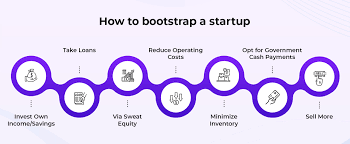
What does it really mean to bootstrap? It means funding your business yourself. You use your own savings. You use money from early sales. You might even use credit cards. But the key is avoiding outside investment for as long as possible. This includes venture capital or bank loans.
Why is this mindset so important for new businesses? It forces you to be lean. You have to watch every dollar. This makes you incredibly efficient. You learn to prioritize what truly matters. You focus on getting paying customers quickly. This proves your idea has real value.
Bootstrapping also gives you freedom. You don’t owe investors anything. You make the decisions. Your business grows at your pace. It’s a slower path, maybe. But it’s often a more stable one. It builds a solid foundation for the future.
The Power of Skill-Based Services
Many of the best bootstrapped ideas come from what you already know. What skills do you have? Can you write well? Are you good at organizing things? Do you understand social media?
These skills are valuable. People and businesses need them. You can offer these services. This is a direct path to revenue.
Freelance Writing and Editing
Businesses always need good content. This includes website copy, blog posts, and marketing materials. If you have a knack for words, this is a great start. You can begin by taking on small projects. Build a portfolio. Get testimonials. As you gain experience, you can charge more. You can even niche down. Maybe you write for tech companies. Or perhaps you focus on health and wellness.
Virtual Assistant Services
Many entrepreneurs and small business owners are swamped. They need help with daily tasks. This could be scheduling appointments, managing emails, or doing research. You can offer these services as a virtual assistant. All you really need is a computer and internet. You can work from anywhere.
Social Media Management
Companies know they need to be online. But they don’t always have the time or skill to do it well. If you understand platforms like Instagram, Facebook, or LinkedIn, you can help. You can create content. You can engage with followers. You can run ad campaigns. This is a highly sought-after skill.
Graphic Design and Web Development
If you have creative or technical skills, there’s demand. Businesses need logos, websites, and marketing visuals. You can start with simple projects. Use free tools to build your skills. Offer packages that include design and basic website setup.
Skill Spotlight: The Graphic Designer’s Path
Meet Sarah. She loved to draw. She took some online courses in design software.
Sarah started by making social media graphics for local shops. She charged a small fee. Soon, she had repeat clients.
Then, a new coffee shop asked for a logo and menu. Sarah used her earnings to buy better software. She also took a branding course.
Her business grew from simple graphics to full brand identity projects. She never needed big funding. She just used her talent and worked hard.
Leveraging Your Hobbies and Passions
Sometimes, the best business ideas come from what you love to do in your free time. Your hobbies can become your career.
Handmade Crafts and Products
Do you love knitting, jewelry making, or woodworking? You can sell your creations. Online platforms like Etsy are perfect for this. Start small. Make a few items. Take good photos. List them online. As sales come in, you can make more items. You can even explore local craft fairs.
Craft Corner: From Hobby to Hustle
Consider Mark. He spent weekends building birdhouses. They were beautiful and sturdy.
His neighbors admired them. He decided to try selling them at a local farmers market. He made a small batch.
They sold out quickly. Mark used the money to buy better wood and tools. He learned about online marketing.
Now, he has an online store. He ships his birdhouses across the country. His passion became his livelihood, one birdhouse at a time.
Baking and Specialty Foods
If you’re a talented baker or cook, you can sell your goods. Think custom cakes for birthdays. Or maybe gourmet cookies. You could offer meal prep services for busy families. Check local regulations for selling food from home. Start with friends and family. Get feedback. Then expand to local markets or online orders.
Gardening and Plant Care
Do you have a green thumb? You can start a small plant nursery. Grow popular houseplants. Or offer specialized herbs. You could also provide gardening services. This might include garden design or plant maintenance for homes.
Digital Products: Scale Without Inventory
Selling digital products is a fantastic way to bootstrap. There’s no physical inventory. This means no storage costs. And once created, you can sell them many times.
Ebooks and Guides
Do you have expertise in a certain area? You can write an ebook. This could be a recipe book, a fitness guide, or a how-to manual. Self-publishing is easy. You can sell them on your own website or platforms like Amazon Kindle Direct Publishing.
Online Courses and Workshops
If you can teach, people will pay to learn. Create an online course. Teach a skill you master. This could be anything from photography to coding to learning a language. Platforms like Teachable or Udemy make it simple to host your courses.
Digital Product Showcase: The E-Learning Advantage
Think about Lena. She’s a master at knitting intricate sweaters. She taught local classes.
She saw that many people couldn’t attend in person. Lena decided to create a video course. She filmed herself demonstrating each step.
She explained techniques clearly. She sold her course online. People from all over the world bought it.
She made money while she slept. Her digital product scaled her teaching business beyond her town.
Printables and Templates
People love useful downloads. You can create planners, budgeting templates, or social media graphic templates. These are easy to design using tools like Canva. Sell them on Etsy or your own website.
Local Services: Building Community Connections
Some of the most reliable bootstrapped businesses are local services. They solve everyday problems for people in your area.
Cleaning Services
House cleaning is always in demand. You can start with just yourself. You’ll need cleaning supplies. Offer your services to neighbors and friends. Word-of-mouth is powerful here. You can grow by hiring others as you get more clients.
Pet Sitting and Dog Walking
Animal lovers can turn their passion into income. Many pet owners need help when they travel or work long hours. Offer reliable pet sitting and dog walking. Start by advertising in your neighborhood. Get good reviews.
Handyman and Home Repair
If you’re handy around the house, people will hire you. Offer services like minor repairs, painting, or furniture assembly. You can use tools you already own. Focus on small jobs first. Build a reputation for being trustworthy.
Local Love: The Neighborhood Handyman
James had a knack for fixing things. He could hang shelves, fix leaky faucets, and assemble flat-pack furniture. He noticed many of his elderly neighbors struggled with these tasks.
He offered his help. He charged a fair price. His reliability and friendly service quickly spread.
Soon, he was booked solid. He didn’t need fancy advertising. His good work spoke for itself in his community.
Tutoring Services
If you excel in a particular school subject, you can tutor students. Offer help in math, science, or English. You can tutor online or in person. Schools and community centers are good places to advertise.
Finding Your Niche: The Power of Specialization
Trying to be everything to everyone is a common mistake. For bootstrapped startups, finding a niche is crucial. It helps you stand out. It makes your marketing more effective.
What is a niche? It’s a specific part of a larger market. Instead of selling “shoes,” you might sell “handmade leather boots for hikers.” Instead of offering “marketing services,” you might offer “social media marketing for local bakeries.”
Why is this so important for bootstrapping?
Less Competition: You’re not competing with huge companies.
Targeted Marketing: You know exactly who your customers are.
Expertise: You can become the go-to person in that small area.
Higher Prices: Customers often pay more for specialized knowledge.
Think about your own interests. What problems do you see in specific groups of people?
Building Your Online Presence on a Budget
You don’t need a fancy, expensive website to start. There are many affordable ways to get online.
Social Media as Your First Storefront
Platforms like Facebook, Instagram, and LinkedIn can be your initial business pages. Post regularly. Engage with potential customers. Share your expertise. Use relevant hashtags. You can even run very small, targeted ad campaigns with a tiny budget.
Affordable Website Builders
Services like Squarespace, Wix, or Shopify offer templates. They make it easy to build a professional-looking website. Many have affordable monthly plans. They include hosting and security. Look for starter plans.
Leveraging Free Tools
Canva is amazing for creating graphics. Google Workspace (Docs, Sheets) is great for documents and spreadsheets. Trello or Asana can help with project management. There are many free alternatives to paid software.
Digital First Steps: The Minimalist Website
Let’s say you’re starting a mobile car detailing service. You don’t need a big website at first. Create a strong Facebook page.
Post before-and-after photos of cars you detail. Share customer testimonials. Use Instagram Stories to show your work in action.
You can create a simple landing page using a service like Carrd for under $20 a year. It just needs your contact info and a list of services. This is enough to look professional and get calls.
The Importance of Early Sales and Customer Feedback
The goal of bootstrapping is to fund growth with revenue. This means getting sales as soon as possible.
Don’t wait for everything to be perfect. Launch your product or service when it’s good enough. Then, get it in front of customers.
Listen to what your first customers say. Their feedback is gold.
What do they like?
What do they wish was different?
What problems did they still have?
Use this information to improve. This is how you build a business that people actually want. It’s much better than guessing.
Managing Your Finances Like a Pro (Even Without an Accountant)
When you’re bootstrapping, every dollar counts. You need to be smart about money.
Separate Business and Personal Funds: Open a dedicated business bank account. This is crucial for tracking. It also looks more professional.
Track Every Expense: Keep receipts. Use a simple spreadsheet. Know where your money is going.
Invoice Promptly: If you offer services, send invoices right away. This ensures you get paid faster.
Reinvest Wisely: When you make money, don’t spend it all. Put some back into the business. This could be for better tools or marketing.
Understand Your Costs: Know how much it costs to deliver your product or service. This helps you set the right prices.
Money Matters: The Bootstrapper’s Budget
Startup Cost Estimate:
Item | Cost
|
Business Bank Account | Free (most banks)
Website Builder (Starter Plan) | $15/month
Email Marketing Tool (Free Tier) | $0/month
Basic Business Cards | $30 (one-time)
Industry Software (Trial/Free Version) | $0/month
Initial Marketing (e.g., Social Ads) | $50/month
Total Estimated Monthly: | $115 + initial setup
This shows you can start very lean. Focus on essential tools first.
When to Consider External Funding (and When Not To)
Bootstrapping is about self-funding. But there might come a time when you need more money to grow faster. This is when you might consider external funding.
Think about why you need the money.
Do you want to hire more staff?
Do you need to buy more equipment?
Are you planning a big marketing push?
If your business is already making money and showing clear potential, investors might be interested. But remember, taking on investors means giving up some ownership and control. For many bootstrapped businesses, staying independent is the goal. They prefer slower, steady growth.
Mindset Matters: Staying Motivated Through the Early Days
Starting a business is a marathon, not a sprint. There will be challenges. There will be days you doubt yourself.
Celebrate Small Wins: Did you get your first customer? Did you finish a difficult project? Acknowledge these achievements.
Find a Support System: Talk to other entrepreneurs. Join online groups. Share your struggles and successes.
Be Patient: Growth takes time. Don’t compare your journey to others.
Stay Flexible: Be ready to adapt your plans. The market changes. Customer needs change.
Specific Bootstrapped Startup Idea Categories
Let’s dive into more concrete examples, breaking them down by type.
Category: Online Expertise & Coaching
Concept: Niche Consulting for Small Businesses.
Details: Focus on a very specific area like “Instagram growth for dentists” or “SEO for local plumbers.” You offer expert advice and strategy sessions.
How to Start: Offer free 30-minute discovery calls. Create a simple website or even just a LinkedIn profile detailing your expertise.
E-E-A-T Signal: Demonstrate your knowledge through free content (blog posts, LinkedIn articles).
Concept: Personalized Fitness or Wellness Coaching.
Details: Tailor workout plans or nutrition advice to individual clients. This can be done via video calls and shared documents.
How to Start: Get certified if needed. Market through local community groups or online fitness forums.
Experience: Share your own fitness journey if applicable.
Concept: Language Tutoring or Translation Services.
Details: Teach a foreign language or offer translation for documents. Focus on high-demand languages.
How to Start: Advertise on tutoring platforms or through university language departments.
Trustworthiness: Highlight any fluency certifications.
Category: Creative & Maker Businesses
Concept: Custom Pet Portraiture.
Details: Offer hand-painted or digital portraits of people’s pets.
How to Start: Create a portfolio of your best work. Use platforms like Etsy or Instagram to showcase and sell.
Experience: Share a story about a pet you’ve painted and the joy it brought.
Concept: Upcycled Furniture and Home Decor.
Details: Find old furniture, refurbish it, and sell it. This is environmentally friendly and unique.
How to Start: Source items from thrift stores or online marketplaces. Learn basic furniture repair and painting techniques.
Real-World Context: Highlight the environmental benefits of upcycling.
Concept: Artisanal Soap or Candle Making.
Details: Create high-quality, unique scents and designs. Focus on natural ingredients.
How to Start: Research recipes and safety standards. Start with small batches. Sell at local markets or online.
Trustworthiness: Emphasize natural ingredients and skin safety.
Category: Local Service Businesses
Concept: Mobile Car Detailing with Eco-Friendly Products.
Details: Go to customers’ homes or workplaces to clean their cars. Use environmentally friendly soaps and waxes.
How to Start: Invest in quality cleaning supplies and a portable vacuum. Market through local social media groups.
Authoritativeness: Mention any eco-certifications for your products if applicable.
Concept: Senior Errand and Companion Services.
Details: Help seniors with grocery shopping, doctor appointments, or just provide companionship.
How to Start: Build trust through reliability and kindness. Advertise through community centers and local senior living facilities.
Empathy: Focus on the human connection aspect.
Concept: Small Event Planning and Coordination.
Details: Help people plan small parties, anniversaries, or gatherings. Focus on intimate events initially.
How to Start: Offer to help friends and family for free to build experience and get testimonials.
Experience: Detail a challenging but successful small event you planned.
Category: Digital Products & Content Creation
Concept: Niche Stock Photography or Videography.
Details: If you have photography skills, create high-quality images or short videos for specific niches (e.g., diverse business people, specific landscapes).
How to Start: Build a portfolio. Upload to stock photo sites like Adobe Stock or Shutterstock.
Expertise: Explain best practices for submitting high-quality stock media.
Concept: Custom Digital Planners and Journal Templates.
Details: Design aesthetically pleasing and functional digital planners for different needs (e.g., students, entrepreneurs, goal-setters).
How to Start: Use design tools like Canva or Adobe InDesign. Sell on Etsy or your own website.
Real-World Context: Show examples of how people use these planners effectively.
Concept: Subscription Box Curation (Digital or Small Physical).
Details: Curate a box of items around a theme (e.g., self-care, snacks, craft supplies). You can start small with pre-orders.
How to Start: Source products from wholesale suppliers or small makers. Market through social media.
Human Connection: Focus on the delight of receiving a curated surprise.
Quick Fixes & Tips for Bootstrappers
Network Actively: Connect with people online and offline. You never know who might become a client or partner.
Barter Services: If you need a service but can’t afford it, see if you can trade your skills for it.
DIY Where Possible: Learn basic skills yourself instead of paying someone initially.
Focus on Cash Flow: Make sure money is coming in regularly. This is vital for survival.
Automate Repetitive Tasks: Use tools to save time on things you do often.
Ask for Reviews: Positive reviews build trust and attract more customers.
Frequent Questions About Bootstrapping
What’s the biggest challenge when bootstrapping a startup?
The biggest challenge is often managing resources. This includes time, money, and energy. You have to be very good at prioritizing. You also need to be patient because growth can be slower than with investment.
How can I find my first customers without a big marketing budget?
Start with your existing network. Tell friends and family what you’re doing. Use social media to share your offerings. Offer introductory discounts or free consultations. Local community groups and online forums related to your niche are also great places to look.
Is it possible to bootstrap a tech startup?
Yes, it’s possible, but often harder. You might need to build a minimum viable product (MVP) with your own skills or find a co-founder with technical skills. Focus on revenue from day one. Services around tech, like IT support or web development, are often easier to bootstrap than product-based tech companies.
How much money do I really need to start a business?
It depends entirely on the business. A service-based business might start with just a few hundred dollars for basic tools and marketing. Selling digital products can cost almost nothing if you have the skills. Physical product businesses will generally require more upfront investment for materials.
When should I consider getting investors after bootstrapping?
You should consider investors when you have a proven business model. This means you have customers and revenue. You need capital to scale significantly, like expanding into new markets, hiring many people, or developing a complex product. It’s usually when organic growth isn’t fast enough for your goals.
What are some common mistakes bootstrapped founders make?
Common mistakes include not separating business and personal finances, trying to do everything themselves without delegating, spending too much on non-essential things too early, and not talking to customers enough to understand their needs. Also, not reinvesting profits back into the business is a big one.
Conclusion: Your Bootstrap Journey Begins Now
Building a business from scratch is incredibly rewarding. Bootstrapping is a powerful way to achieve this. It teaches you resilience. It fosters innovation. It gives you ultimate control. You have the skills, the passion, and the drive. Start small. Be smart with your resources. Focus on serving your customers well. Your entrepreneurial adventure awaits.