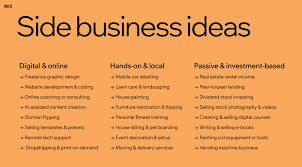
Small startup ideas focus on leveraging personal skills, digital tools, and minimal initial investment to launch a business. They prioritize proving a concept and gaining customers with less risk, making entrepreneurship accessible to more people. The key is starting lean and growing organically.
What Are Small Startup Ideas?
Small startup ideas are business concepts that need very little money to get going. You don’t need a big office. You don’t need to buy lots of fancy equipment at first.
These businesses often use what you already own. This includes your computer, your phone, or even just your time and talent. They are great for people who have a skill or a passion they want to turn into income.
Think about things like offering a service. Or maybe selling something you make yourself. The goal is to get started fast.
Then, you can grow as you make money. It’s about being smart with resources. You use your brain more than your wallet.
Many successful companies began this way. They found a need in the market. Then, they filled that need with a simple, low-cost solution.
The founders often worked from home. They used online tools to reach customers. As more people bought their products or services, they reinvested their profits.
This allowed them to grow slowly and steadily. It’s a path many entrepreneurs take to build something lasting. It shows that you don’t need a fortune to start a business.
My First Small Startup Story
I remember when I first thought about starting a side hustle. It was years ago. I loved helping friends with their computer problems.
They always seemed confused by technology. One evening, after fixing my neighbor’s printer for the third time that month, I had an idea. My neighbor, Mrs.
Gable, was so grateful. She offered to pay me for my time. That’s when it hit me.
People need tech help. And they are willing to pay for it. My startup cost?
Almost zero. I already had a laptop and a smartphone. I used my existing internet connection.
I created a simple flyer. I gave it to neighbors and posted it on a local online group. I called myself “Tech Help at Home.” My service was basic: setting up new computers, installing software, and fixing Wi-Fi.
My first few clients were friends and neighbors. I charged a small hourly rate. It felt amazing to make money from something I enjoyed.
I was nervous at first. What if no one called? But they did.
Slowly, word spread. This little side hustle gave me confidence. It showed me that small startup ideas can really work.
Ideas That Need Almost No Money
1. Digital Services: Offer skills like writing, graphic design, or social media help online. Many businesses need these things.
2. Consulting: If you’re an expert in something, share your knowledge. People will pay for good advice.
3. Handmade Goods: Create crafts, art, or baked goods. Sell them online or at local markets.
4. Tutoring: Help students with subjects you know well. This can be done in person or online.
5. Pet Sitting/Dog Walking: If you love animals, this is a great way to earn money. It requires very little startup cash.
Choosing Your Small Startup Idea
Picking the right idea is key. It’s not just about what’s popular. It’s about what fits YOU.
Think about what you are good at. What do you enjoy doing? What problems do you see around you?
People pay to have their problems solved. So, finding a problem is like finding a business opportunity. Don’t try to be everything to everyone.
Start focused. Think about a specific group of people you want to help. This makes your message clearer.
And it helps you find customers more easily.
Consider your personal skills. Are you a great organizer? Maybe you can offer decluttering services.
Do you love to write? You could be a freelance writer. Are you handy around the house?
Repair services are always in demand. Also, think about your passions. If you love cooking, maybe you can start a small catering service for local events.
Or sell your jams and preserves. The best small startup ideas often come from mixing your skills with your interests.
Types of Low-Cost Startups
There are many paths for starting a business with little money. Service-based businesses are a big one. These use your time and skills.
They don’t need to stock lots of inventory. Examples include consulting, freelance writing, virtual assistance, and coaching. You just need a way to connect with clients.
And a way to deliver your service. Often, a computer and internet are all you need.
Another type is digital products. Think of e-books, online courses, or templates. Once you create them, you can sell them many times.
The cost to create them is your time and knowledge. Selling them online has low overhead. Physical products can also be low-cost.
This might involve handmade items. Or dropshipping, where you don’t keep inventory yourself. You partner with a supplier who ships directly to your customer.
Service-Based Businesses
Service businesses are fantastic for low startup costs. You are selling your expertise. This could be anything from accounting help to gardening advice.
Let’s break down a few popular ones. Virtual assistants (VAs) are very popular. They help businesses with tasks like managing emails, scheduling, and social media.
You can do this from anywhere. You just need a computer and good communication skills.
Freelance writing is another great option. If you have a knack for words, businesses always need content. This includes website copy, blog posts, and marketing materials.
Graphic design is similar. Many small businesses can’t afford a full-time designer. They hire freelancers for logos, social media graphics, and brochures.
Web development or design is also in demand. Even basic website setup can be a service you offer.
Quick Scan: Service Business Examples
Category | What You Do | Startup Needs
Virtual Assistant | Admin tasks, scheduling | Computer, internet, phone
Freelance Writer | Content creation, editing | Computer, internet, writing skills
Social Media Manager | Online posting, engagement | Computer, internet, social media savvy
Bookkeeper | Financial record keeping | Computer, accounting software, knowledge
Event Planner | Organizing gatherings | Phone, computer, organizational skills
Creative & Craft Businesses
If you have a creative streak, there are many ways to earn money. Making and selling handmade items is a classic. This could be anything from knitted scarves to custom jewelry.
Or perhaps artisanal soaps and candles. The key here is quality and uniqueness. People often pay a premium for handmade items that stand out.
Platforms like Etsy make it easy to reach a global audience.
Photography is another creative field. You might start with event photography, like small parties or family portraits. Or perhaps product photography for local businesses.
You’ll need a good camera. But you can rent or borrow one initially. If you’re a painter or illustrator, you can sell your artwork.
You can also create prints or merchandise featuring your designs. Don’t forget digital art. Creating custom digital portraits or illustrations is very popular.
Online & Digital Businesses
The internet has opened up so many doors for entrepreneurs. Online courses are a huge market. If you know a lot about a specific topic, you can create a course.
You can teach people a skill, share your knowledge, or offer a unique perspective. Platforms like Teachable or Udemy help you host and sell your courses.
Blogging and affiliate marketing are other options. You can start a blog about a topic you love. Then, you earn money by recommending products or services.
When people buy through your special links, you get a commission. This takes time to build an audience. But the startup cost is minimal.
Just a website and your writing. E-books are similar to online courses. You write a guide or story.
Then, you sell it online. This requires strong writing skills and a good topic.
Digital Product Ideas Checklist
Product Type | What You Need | How to Sell
E-book | Writing skills, topic knowledge | Amazon Kindle Direct Publishing, Gumroad
Online Course | Expertise, video/audio tools | Teachable, Udemy, Skillshare
Printables | Design software, creativity | Etsy, your own website
Templates | Design software, user needs | Etsy, Creative Market, your website
Stock Photos | Camera, editing skills | Shutterstock, Adobe Stock, your website
Businesses That Solve Problems
Every successful business solves a problem. Think about the daily frustrations people have. Your small startup idea can be the answer.
Are people struggling to find reliable local services? You could create a curated directory or referral service. Do parents need help finding kid-friendly activities?
You might build a local guide or booking platform.
Consider the environment. Many people want to be more eco-friendly but don’t know how. You could offer consulting on sustainable living.
Or sell eco-friendly home products. Is there a lack of specialized repair services in your town? Maybe appliance repair, phone repair, or even bicycle repair is needed.
These require specific skills. But the startup cost can be low if you already have tools or can learn quickly.
Food-Related Small Startups
The food industry offers many opportunities for small businesses. Home bakers often start by selling cakes, cookies, or pies. You can take custom orders for birthdays or events.
Or sell at local farmers’ markets. Check your local health department rules. They are very important for food businesses.
Meal prep services are also growing. Busy people want healthy meals but lack time. You can cook and package meals for the week.
This requires kitchen space and organization. Speciality foods are another niche. Think about gluten-free baking, vegan treats, or gourmet popcorn.
Selling at markets or online can be a good start. You can also offer catering for small gatherings or office lunches.
Pet-Related Businesses
The pet industry is booming. People treat their pets like family. This means they spend money on their well-being.
Dog walking and pet sitting are classic low-cost startups. If you love animals, this is a rewarding path. You can start by offering services to friends and neighbors.
Good reviews and reliability will help you grow.
Other ideas include mobile pet grooming. This requires some equipment, but you can start small. Or perhaps creating homemade, healthy pet treats.
This falls under the creative/food category. You could also offer pet photography services. Or even simple training advice for new pet owners.
Always ensure you understand local regulations for pet businesses.
Pet Business Quick Tips
Service | What to Do | Key Skills
Dog Walking | Exercise and potty breaks | Reliability, love for dogs, physical fitness
Pet Sitting | Care while owners are away | Trustworthiness, animal experience, patience
Pet Treats | Baking healthy snacks | Food safety knowledge, creativity, packaging
Pet Photography | Capturing pet personalities | Photography skills, patience with animals
Grooming | Washing, clipping, styling | Animal handling, grooming techniques, hygiene
Finding Your First Customers
Once you have your idea, you need customers. This is where many new businesses stumble. Don’t wait for customers to find you.
You need to actively seek them out. Start with your existing network. Tell everyone you know about your new venture.
Friends, family, former colleagues – they might be your first clients or know someone who needs your service.
Use social media. Create a business page. Share useful content related to your niche.
Engage with potential customers. Local online groups are also great. Post about your services (following group rules).
Offer an introductory discount for your first few clients. This can encourage them to try you out. Collect testimonials from happy customers.
Positive reviews are powerful advertising.
Marketing Your Small Startup on a Budget
Marketing doesn’t have to cost a fortune. Content marketing is your friend. Write blog posts.
Create helpful social media updates. Share your expertise. This attracts people who are interested in what you offer.
Email marketing is also very effective. Collect email addresses from your website or clients. Send out newsletters with tips and offers.
Networking is crucial. Attend local business events or online forums. Talk to people.
Let them know what you do. Word-of-mouth is still one of the best forms of marketing. Encourage satisfied customers to tell their friends.
Consider strategic partnerships. Team up with complementary businesses. For example, a wedding planner might partner with a baker.
This helps you reach new audiences without spending a lot.
Budget Marketing Tactics
Tactic | How it Works | Cost
Social Media | Share content, engage | Free (time investment)
Content Marketing | Blog posts, guides | Free (time investment)
Email Marketing | Newsletters, promotions | Low cost (email platforms)
Networking | Connecting with others | Free or low cost (event tickets)
Referral Program | Rewarding customers for referrals | Cost of discount/reward
Local Listings | Google My Business, Yelp | Free
Pricing Your Services or Products
Setting the right price is tricky. You want to be competitive. But you also need to make a profit.
Research what others charge for similar services or products. Look at both local and online options. Consider your costs.
Factor in your time, materials, and any overhead. Don’t underprice yourself. It can make customers think your quality is low.
For services, hourly rates are common. You can also offer project-based pricing. For products, calculate your material costs.
Then add a markup for your labor and profit. Consider offering tiered pricing. For example, a basic package and a premium package.
This gives customers options. As your reputation grows, you can gradually increase your prices.
Legal and Financial Basics
Even for small startup ideas, some basic legal and financial steps are important. You might need to register your business name. Check with your local city or county government.
For many small service businesses, you can operate as a sole proprietor. This is the simplest structure. As you grow, you might consider an LLC (Limited Liability Company).
Keep your business finances separate from your personal ones. Open a separate business bank account. Track all your income and expenses.
This makes tax season much easier. You can use simple spreadsheets or accounting software. Understand your tax obligations.
Consult with an accountant if you’re unsure. This helps avoid costly mistakes later on.
Scalability of Small Startups
Scalability means growing your business. For small startups, this is about smart growth. You don’t want to grow too fast and run out of resources.
For service businesses, you can scale by hiring others. You can train them to do what you do. Or you can expand your service offerings.
Think about adding related services. For example, if you offer social media management, you could add website design.
For product businesses, scalability can involve increasing production. Or finding wholesale buyers. If you sell handmade items, you might partner with boutiques.
Or explore larger online marketplaces. Digital products are highly scalable. Once created, they can be sold infinitely with minimal extra cost.
This is why they are so popular for low-cost startups.
Scalability: Idea vs. Reality
Business Type | Easy to Scale? | How?
Freelance Writing | Moderate | Hire other writers, offer editing/strategy
Online Courses | High | Create more courses, advanced versions, community
Handmade Crafts | Low to Moderate | Increase production, find distributors, licensing
Local Service (e.g., cleaning) | Moderate | Hire more staff, franchise, offer add-on services
App Development | High | Build more apps, add features, subscription models
Overcoming Common Challenges
Starting a business is never perfectly smooth. You will face challenges. One of the biggest is time management.
When you’re doing everything yourself, it’s easy to get overwhelmed. Learn to prioritize tasks. Use tools to organize your day.
Batch similar tasks together to be more efficient.
Dealing with rejection is also hard. Not every pitch will land. Not every marketing campaign will work.
Try not to take it personally. Learn from what didn’t work. Adjust your approach.
Persistence is key. Also, don’t be afraid to ask for help. Connect with mentors or other entrepreneurs.
They can offer valuable advice and support.
Key Takeaways for Small Startups
The most important thing is to start. Don’t wait for perfection. Get your idea out there.
Learn as you go. Embrace the process. Your first small startup idea might not be the one that makes you rich.
But it will teach you valuable lessons. It will build your confidence. Many successful entrepreneurs tried several ideas before finding “the one.”
Focus on providing real value to your customers. Solve their problems. Make their lives easier.
Happy customers are your best advocates. Keep learning. Keep adapting.
The business world changes. Stay curious. And always believe in your ability to build something great, no matter how small you start.
Frequently Asked Questions About Small Startup Ideas
What is the easiest small startup idea to start with no money?
Offering services based on your existing skills is usually the easiest. This could be freelance writing, social media management, virtual assistance, or tutoring. You likely already have a computer and internet connection, which are the main tools needed.
How long does it take to make money from a small startup?
This varies greatly. Service-based businesses can often start generating income within weeks, especially if you leverage your network. Product-based businesses, particularly online ones like blogs or e-commerce, might take several months to build an audience and start seeing consistent revenue.
It depends on the business model and your marketing efforts.
What if my idea isn’t unique?
Many successful businesses aren’t entirely unique. What matters is how you deliver your product or service. You can focus on better customer service, a specific niche within the market, a unique branding approach, or a more convenient way of doing things.
Your personality and expertise can also make your offering stand out.
Do I need a business plan for a small startup?
While a formal, lengthy business plan isn’t always necessary for very small, low-cost startups, you do need a clear idea of what you’re offering, who your customers are, and how you’ll make money. A simple one-page plan or even just outlining these key points can be incredibly helpful for focus and direction.
How can I find my first few paying customers?
Start by telling everyone you know about your business. Reach out to friends, family, and former colleagues. Post on local social media groups or community forums.
Offer an introductory discount or a free consultation to attract initial clients. Collect testimonials from these early customers to build social proof.
What are the biggest mistakes new entrepreneurs make with small startups?
Common mistakes include waiting too long to start, trying to be perfect from day one, not marketing effectively, underpricing their services or products, and not separating business and personal finances. Underestimating the time commitment required is also a frequent pitfall.
Final Thoughts on Starting Small
Embarking on a new business journey can be exciting. With smart planning and a focus on low-cost strategies, you can turn your vision into reality. Remember, the best time to start was yesterday, but the next best time is now.
Your passion and hard work are your greatest assets. Explore these small startup ideas and find the one that sparks your entrepreneurial spirit. You’ve got this!