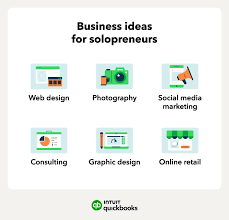
Solo founder business ideas focus on services or products that one person can manage effectively. Think about skills you have, problems you can solve, and markets you understand deeply. The goal is to build something manageable and profitable without needing a team from day one.
Understanding the Solo Founder Mindset
Being a solo founder is a unique path. It means you wear all the hats. You are the CEO, the marketer, the salesperson, and the customer support.
This takes grit, discipline, and a lot of learning. But it also offers incredible freedom and control.
Many people think they need a partner or a big team to start. That’s not always true. The digital age has made it easier than ever to run a business solo.
You can automate tasks, outsource what you can’t do, and use tools to manage your workload. The key is to pick the right idea for your solo style.
Think about your passions. What do you love doing? What problems do you enjoy solving?
Your business should ideally align with these things. This makes the long hours feel less like work and more like a mission. It’s also easier to stay motivated when you truly believe in what you’re doing.
Your skills are also crucial. What are you really good at? Are you a great writer?
A whiz with social media? A talented designer? Or perhaps you have deep knowledge in a specific industry?
These skills can be the foundation of your solo venture. They give you a head start and a competitive edge.
We’ll dive into many different business ideas. Some will require technical skills. Others will focus more on creative talents or people skills.
The most important thing is to find one that sparks your interest and feels achievable for you, right now.
My Own Solo Start: The “Too Many Hats” Moment
I remember when I first decided to go solo with my own online coaching. I was so excited! I had this fantastic idea to help small business owners.
I had the knowledge, the passion, and the drive. But then the reality hit me.
Suddenly, I was not just a coach. I was also the website designer, the email marketer, the social media manager, and the accountant. I’d spend hours trying to figure out how to set up an email list.
Then I’d get lost trying to make a pretty graphic for Instagram. It was overwhelming. I felt like I was drowning in tasks that took me away from actual coaching.
One evening, I was staring at my screen, trying to write a blog post. The clock ticked past midnight. I felt this wave of exhaustion and doubt.
Was this even worth it? I had so many ideas, but executing them all felt impossible. That’s when I realized I needed to be smarter about my business.
I needed ideas that allowed me to focus on my core strength, not get bogged down in distractions.
Finding Your Solo Niche: What Works Best
When you’re a solo founder, your time is your most precious resource. You can’t afford to waste it on tasks that don’t directly contribute to your business growth or that you genuinely dislike. This means choosing a niche that plays to your strengths and allows for efficient operation.
A good solo niche often involves providing a specialized service or a highly curated product. It’s about being the expert or the go-to person for a specific need. This allows you to charge premium rates and build a strong reputation without needing to scale rapidly.
Think about the current trends. What are people looking for? What problems are they facing?
Often, the best solo businesses solve very specific problems for a clear audience. Instead of trying to serve everyone, you serve a select group really, really well.
Digital products are fantastic for solo founders. Once created, they can be sold repeatedly with minimal ongoing effort. This includes things like e-books, online courses, templates, or software.
The upfront work is significant, but the scalability is high.
Consulting and coaching also fit perfectly. If you have deep expertise in an area, people will pay for your guidance. This could be business consulting, life coaching, fitness coaching, or even technical consulting.
Freelance services are a classic solo founder model. Writing, graphic design, web development, virtual assistance, social media management – these are all skills that many businesses need but may not want to hire full-time. You can offer these on a project or retainer basis.
Niche e-commerce is another avenue. Instead of trying to compete with Amazon, focus on a very specific type of product. Think artisanal goods, specialized hobby equipment, or ethically sourced items.
Dropshipping can reduce inventory management headaches.
Solo Founder Skill Spotlight
Focus on what you love and are good at.
- Writing & Content Creation: Blog posts, copywriting, social media captions, e-books.
- Design & Visuals: Graphic design, web design, branding, illustration.
- Technical Skills: Web development, app development, data analysis, IT support.
- Marketing & Sales: Social media marketing, SEO, email marketing, sales funnel creation.
- Business & Strategy: Business planning, operations consulting, financial advising.
- Creative Arts: Photography, videography, music production, voice acting.
- Coaching & Teaching: Life coaching, business coaching, academic tutoring, skill-based workshops.
Top Solo Founder Business Ideas (and Why They Work)
Let’s get into some concrete ideas. These are businesses that can be started and grown by one person, leveraging common skills and tools.
1. Niche Freelance Writer
If you have a knack for words, this is a solid path. Many businesses need content. This could be blog posts, website copy, email newsletters, or even scripts for videos.
Why it works solo: Your main tool is a computer and internet access. You can manage clients and projects from anywhere. You can focus on a specific niche, like tech, health, or finance, to become an expert.
This allows you to charge more and attract clients looking for specialized knowledge.
What you need: Strong writing skills, a portfolio (even if it’s spec work initially), and a way to find clients (freelance platforms, networking, cold outreach).
E-E-A-T Angle: Demonstrate your expertise through high-quality writing samples. Show your experience by highlighting successful projects. Build trust by being reliable and delivering excellent work.
2. Virtual Assistant (VA) Specialist
Many busy professionals and small business owners need help with administrative, technical, or creative tasks. As a VA, you provide these services remotely.
Why it works solo: You can offer a wide range of services or specialize in a few. Think social media management, email support, scheduling, data entry, or even bookkeeping. You manage your own hours and client list.
Tools like Slack, Asana, and Google Workspace make collaboration easy.
What you need: Organizational skills, reliability, good communication, and proficiency with common business software. You might also specialize in a specific area like social media VA or executive assistant VA.
Real-world context: Small business owners often get bogged down in day-to-day tasks. They need someone to handle these so they can focus on growth. A VA is often more cost-effective than hiring a full-time employee.
3. Social Media Manager for Small Businesses
Businesses know they need a social media presence, but they often lack the time or expertise to do it well. You can step in to manage their accounts, create content, and engage with their audience.
Why it works solo: This is a service-based business that thrives on creativity and strategy. You can manage multiple clients from your home office. Learning the ins and outs of different platforms is key.
You can focus on platforms that suit your skills, like Instagram, TikTok, or LinkedIn.
What you need: Understanding of social media trends, content creation skills (writing, basic design/video), scheduling tools knowledge, and strong communication to report results to clients.
Human connection: You’re not just posting; you’re building communities for brands. This requires understanding the brand’s voice and audience. Genuine engagement is key.
4. Online Course Creator
If you have a skill or knowledge that others want to learn, creating an online course can be very rewarding. This could be anything from baking to coding to learning a new language.
Why it works solo: The initial investment is time and effort to create the course content. Once it’s made, you can sell it over and over. Platforms like Teachable, Kajabi, or Udemy make it easy to host and sell your courses.
You focus on creating great content and marketing it.
What you need: Expertise in a subject, good teaching ability, video/audio recording equipment, and marketing skills to promote your course. High-quality content is paramount.
Expertise signal: Clearly define the learning outcomes. Structure the course logically. Provide actionable steps and resources for learners.
Your experience teaching or doing the subject matter shines through.
5. Niche E-commerce Store (Dropshipping or Print-on-Demand)
Instead of holding inventory, you can sell products online using models like dropshipping or print-on-demand. This greatly reduces the logistical burden on a solo founder.
Why it works solo: With dropshipping, a third-party supplier ships products directly to your customers. With print-on-demand, items like t-shirts or mugs are only printed when an order is placed. You focus on marketing, customer service, and building your brand.
Choose a very specific product category.
What you need: A good eye for product selection, strong marketing skills (especially paid ads or social media), customer service abilities, and an e-commerce platform like Shopify. Researching trending products or underserved niches is vital.
Dropshipping vs. Print-on-Demand: Key Differences
Dropshipping:
- Product Variety: Wide range of products from various suppliers.
- Inventory: You don’t hold stock; supplier ships directly.
- Profit Margins: Can vary widely, often lower due to competition.
- Control: Less control over product quality and shipping times.
Print-on-Demand (POD):
- Product Focus: Typically apparel, accessories, home decor with custom designs.
- Inventory: Items are printed only after an order is placed.
- Profit Margins: Often better margins, especially with unique designs.
- Control: More control over design quality and branding.
6. Business Coach or Consultant
If you have significant experience in a particular industry or business function (like marketing, operations, or finance), you can offer your expertise as a coach or consultant.
Why it works solo: Your primary asset is your knowledge and experience. You can work with clients one-on-one or in small groups. This can be done entirely online.
The demand for expert advice is always high, especially for small and medium-sized businesses.
What you need: Proven expertise, strong problem-solving skills, excellent communication, and the ability to build trust. A professional website and testimonials are crucial for credibility.
Authoritativeness signal: Mention your years of experience, specific industries you’ve worked in, and types of problems you’ve solved. Reference relevant industry benchmarks or best practices from reputable sources.
7. Graphic Designer (Niche Focus)
Businesses constantly need visual assets – logos, branding materials, social media graphics, website elements. If you have design skills, you can offer these services.
Why it works solo: Design work is project-based and can be done remotely. By specializing in a niche, like logo design for startups or branding for wellness businesses, you can stand out. Your portfolio is your strongest selling tool.
What you need: Design software proficiency (Adobe Creative Suite, Canva Pro), a strong portfolio, and excellent communication to understand client needs.
Experience angle: Show before-and-after examples of your work. Explain your design process and how it benefits the client. Share stories of how your designs helped businesses achieve their goals.
8. Web Developer (Niche or Platform Specialization)
For those with coding skills, building websites or web applications is a valuable service. You can specialize in platforms like WordPress, Shopify, or specific programming languages.
Why it works solo: Web development is a highly in-demand skill. You can take on projects of various sizes. Specializing, like becoming the go-to WordPress developer for local restaurants, can attract a steady stream of clients.
Remote work is standard in this field.
What you need: Proficiency in relevant coding languages (HTML, CSS, JavaScript) or platform development, problem-solving skills, and a portfolio of your work.
Trustworthiness: Clearly communicate project timelines, potential challenges, and your process for testing and debugging. Ensure your code is clean and efficient.
9. Online Tutor or Academic Coach
If you excel in a particular academic subject or have experience helping students improve their study habits, online tutoring is a great solo business.
Why it works solo: Sessions are typically one-on-one and can be conducted via video conferencing. You can set your own hours and rates. The demand for personalized academic support is constant, especially for core subjects like math, science, and English.
What you need: Deep knowledge of the subject matter, patience, good communication skills, and a reliable internet connection. Experience with online teaching tools is a plus.
E-E-A-T Angle: Highlight your educational background, any teaching certifications, or your experience helping students succeed. Share success stories and testimonials from past students or their parents.
10. Podcast Producer or Editor
Podcasting is booming, but many creators struggle with the technical aspects of production and editing. If you have audio skills, you can offer these services.
Why it works solo: This is a remote service. You’ll need audio editing software and a good understanding of sound quality. You can help podcasters by cleaning up audio, adding intro/outro music, and ensuring consistent sound levels.
This allows them to focus on content creation.
What you need: Audio editing software (Audacity, Adobe Audition), good ears for sound quality, attention to detail, and clear communication to work with clients.
Experience: Showcase samples of your editing work. Explain how your editing improves the listening experience. Mention any specific techniques you use to enhance audio.
11. Digital Product Designer (Templates, Printables, Planners)
Creating and selling digital assets like social media templates, website templates, printables, or digital planners can be a passive income stream.
Why it works solo: Once the design is created, it can be sold infinitely. You market and sell these products through platforms like Etsy, your own website, or marketplaces specific to your niche. Your creativity is the main driver.
What you need: Design skills (Canva, Adobe Suite), understanding of what people need and are willing to pay for, and marketing skills to drive traffic to your products. High-quality, useful designs are essential.
Human connection: Think about the problems your templates solve. Do they save time? Do they make something look more professional?
Emphasize the benefits to the user.
12. SEO Consultant for Small Businesses
Many small businesses struggle to get found online. If you understand Search Engine Optimization (SEO), you can help them improve their search rankings.
Why it works solo: This is a knowledge-based service. You can work remotely with clients. Your goal is to help them rank higher in search results, driving more organic traffic to their websites.
This is a highly valued service.
What you need: Deep understanding of SEO principles, keyword research, on-page and off-page optimization techniques, and analytical skills to track results. Staying updated on Google’s algorithm changes is crucial.
Expertise signal: Be able to explain complex SEO concepts in simple terms. Share case studies showing how your strategies improved a client’s rankings and traffic. Mention tools like Google Analytics and Search Console.
Building Your Solo Business Foundation
Once you have an idea, the next step is to build a solid foundation. This doesn’t need to be complicated or expensive, especially when you’re starting solo.
Legal Basics: You’ll need to decide on a business structure. For solo founders, a sole proprietorship is often the simplest to start. You may also consider an LLC for liability protection.
Register your business name if required in your state. Get any necessary licenses or permits.
Online Presence: A professional website is your digital storefront. It doesn’t need to be fancy, but it should clearly explain what you do, who you serve, and how people can contact you or buy from you. Social media profiles are also important for visibility and engagement.
Tools and Technology: Identify the essential tools you’ll need. This might include project management software, accounting software, communication tools, and specialized software for your industry. Many offer free plans for solo users or affordable starter packages.
Pricing Strategy: Figure out how you will price your services or products. Research competitors, but don’t just copy them. Consider your costs, the value you provide, and what the market can bear.
It’s often better to start a bit higher and offer value than to underprice yourself.
Marketing and Sales: How will you find your first clients or customers? This could involve networking, content marketing, social media, paid advertising, or referral programs. Focus on one or two strategies initially to avoid spreading yourself too thin.
Essential Solo Founder Toolkit (Examples)
Project Management: Asana, Trello, Monday.com (free tiers available)
Communication: Slack, Zoom, Google Meet
Customer Relationship Management (CRM): HubSpot CRM, Zoho CRM (free tiers available)
Accounting: QuickBooks, Xero, Wave (free for small businesses)
Website Building: WordPress, Squarespace, Wix
Email Marketing: Mailchimp, ConvertKit, ActiveCampaign
Real-World Scenarios for Solo Founders
Let’s look at how some of these ideas play out in real life for solo founders.
Scenario 1: The Niche Graphic Designer
Sarah is a talented graphic designer. She noticed that many local breweries struggled with their branding. They had basic logos but needed cohesive marketing materials.
Sarah decided to focus solely on creating branding packages for craft breweries. She built a portfolio showcasing logos, beer label designs, and social media templates. She partnered with a local brewery to offer a discounted package for her first few clients, getting testimonials and stunning examples for her website.
Now, breweries often find her through online searches for “brewery logo designer” or referrals from happy clients.
Scenario 2: The Specialized Virtual Assistant
David was an executive assistant for years. He was amazing at managing calendars, booking travel, and handling communications. When he decided to go solo, he didn’t want to do general VA work.
He specialized in being a virtual assistant for real estate agents. He understood their busy schedules, the paperwork involved, and the need for quick responses. He offered packages for lead management, appointment setting, and listing coordination.
His clients loved that he understood their industry and saved them so much time.
Scenario 3: The Online Course Creator for Hobbyists
Maria loved knitting intricate sweaters. She found many online tutorials were hard to follow or lacked detail. She decided to create a comprehensive online course on advanced knitting techniques, focusing on complex stitches and garment construction.
She invested in good lighting and a decent camera to film herself. She built a community around her course using a private Facebook group. Students could ask questions, share their progress, and get direct feedback from Maria, making the learning experience very engaging.
What This Means for You: When to Worry and When to Cheer
As a solo founder, it’s easy to get caught up in the day-to-day. It’s important to step back and see the bigger picture.
When to Cheer:
- You’re consistently getting new clients or sales.
- You’re hitting your income goals.
- You’re feeling energized by your work, even on tough days.
- You’ve built a good reputation and receive positive feedback.
- You’re learning and growing in your business.
When to Worry (and What to Do):
- Client drought: If new clients stop coming in, it’s time to re-evaluate your marketing. Are you reaching the right people? Is your offer clear? Consider trying new marketing channels or refining your messaging.
- Burnout: If you’re constantly exhausted and dreading work, you need to reassess your workload. Are you taking on too much? Can you delegate or automate certain tasks? It might be time to raise prices to afford help or reduce client load.
- Stagnant income: If your income isn’t growing, look at your pricing and sales process. Are you charging enough? Are you effectively converting leads into paying customers?
- Lack of clarity: If you feel lost about where your business is headed, revisit your goals and your niche. Sometimes a slight pivot or a clearer focus is needed.
Simple Checks for Solo Founders:
- Review your finances monthly: Are you profitable? Are you tracking expenses?
- Check your client pipeline: How many leads do you have? What’s your conversion rate?
- Ask for feedback: Regularly ask clients for their honest opinions.
- Schedule downtime: Prevent burnout by scheduling breaks and vacations.
Quick Tips for Solo Success
Here are some actionable tips to help you thrive as a solo founder:
- Focus on one thing at a time. Multitasking is often less effective than deep focus.
- Automate where possible. Use tools for scheduling, email, and invoicing.
- Outsource non-core tasks. If something takes too much time or you’re not good at it, consider hiring a freelancer.
- Network strategically. Connect with people who can help you grow or refer business.
- Learn continuously. The business world changes fast. Stay updated on your industry and business skills.
- Set clear boundaries. Define your working hours and stick to them as much as possible to maintain work-life balance.
- Celebrate small wins. Acknowledge your progress and achievements.
Myth vs. Reality for Solo Founders
Myth: You need a huge amount of startup capital.
Reality: Many solo businesses, especially service-based ones, require minimal startup funds. Your skills and time are your biggest assets.
Myth: You have to do everything yourself forever.
Reality: As your business grows, you can and should delegate or outsource tasks to scale effectively and prevent burnout.
Myth: Solo businesses can’t be as successful as team-led businesses.
Reality: Many highly successful and profitable businesses are run by solo founders. Niche focus and efficient operations can lead to great success.
Frequently Asked Questions
What is the best business to start as a solo founder?
The “best” business depends on your skills, interests, and market demand. However, service-based businesses like freelance writing, virtual assistance, social media management, or consulting are excellent for solo founders because they often require low startup costs and can be managed from anywhere. Digital products like online courses or templates also offer scalability.
How do I find my first clients as a solo founder?
Start by leveraging your existing network. Let friends, family, and former colleagues know about your new venture. Use freelance platforms (like Upwork or Fiverr), join industry-specific online communities, and engage actively on social media.
Offering an introductory discount or a free consultation can also help secure those initial clients.
What are the biggest challenges for solo founders?
Common challenges include wearing too many hats (leading to burnout), managing time effectively, marketing and sales, and handling all aspects of customer service. Financial uncertainty and isolation can also be significant hurdles. Overcoming these often involves smart delegation, automation, and strong self-discipline.
Can a solo founder business become very profitable?
Absolutely. Profitability for solo founders comes from offering high-value services or products, niching down to command better prices, and operating efficiently. Scalable models like digital products or recurring service contracts can significantly boost income.
Many solo founders earn six-figure incomes or more by focusing on expertise and client satisfaction.
What tools are essential for a solo founder?
Essential tools often include project management software (e.g., Asana, Trello), communication tools (e.g., Slack, Zoom), accounting software (e.g., Wave, QuickBooks), and a professional website builder. Email marketing platforms and CRM tools are also highly beneficial for managing client relationships and outreach.
How can a solo founder avoid burnout?
Avoiding burnout involves setting realistic expectations, creating clear boundaries between work and personal life, automating or outsourcing tasks that drain your energy, taking regular breaks, and prioritizing self-care. It’s also crucial to celebrate successes and not get discouraged by setbacks.
Conclusion: Your Solo Journey Starts Now
Starting a business as a solo founder is a powerful way to build something meaningful. With the right idea and a smart approach, you can create a successful and fulfilling career. Focus on your strengths, choose a niche, and leverage the many tools available.
Your entrepreneurial dream is within reach.