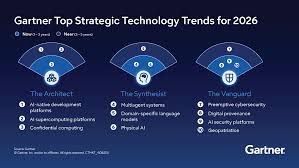
The startup landscape in 2026 is shaping up to be a dynamic mix of technological innovation, a strong focus on sustainability, evolving funding models, and shifts in how consumers want to interact with brands. Staying informed helps you adapt and thrive.
The Shifting Sands: What Drives Startup Trends in 2026
Startup trends are like weather patterns. They change, but we can often see them coming. Several big forces are at play right now. Technology is always a huge driver. Think artificial intelligence, new ways to connect online, and smarter tools for everything.
Money matters too. How startups get funding is changing. It’s not just about venture capital anymore. People are looking for different ways to invest. Also, everyone is talking about the planet. Companies that care for the earth are winning over customers. And how we buy things keeps changing. People want things to be easy and good for them. These are the main ideas guiding what’s next.
My “Uh-Oh” Moment with a New App
I remember a time a few years ago when I got really excited about a new productivity app. It promised to organize my entire life. It had all the bells and whistles, a clean design, and seemed like the future. I signed up for the beta.
But after a week, I was more confused than ever. It had too many features. It was hard to find what I needed. I felt a knot of frustration in my stomach. This shiny new tool was actually making my work harder. I ended up deleting it. That experience taught me a big lesson. New isn’t always better. It has to work for people, simply and well. This feeling is something many users have when encountering new products.
AI: The Smart Assistant in Everything
Artificial intelligence (AI) is not just a buzzword anymore. It’s becoming part of everyday tools. For startups, AI can do many things. It can help write emails or code. It can analyze big amounts of data fast. It can even help design products.
AI’s Growing Role
Content Creation: AI tools help write marketing copy, blog posts, and social media updates. This saves time and money.
Customer Service: Chatbots powered by AI can answer common questions 24/7. This frees up human agents for complex issues.
Data Analysis: AI can spot trends in sales or customer behavior. This helps businesses make better decisions.
Personalization: AI can tailor product recommendations or website content for each user. This makes the experience feel special.
Think about a small online shop. AI can help them understand which products people like most. It can also help them send the right ads to the right people. This makes their marketing much smarter. Many businesses will use AI to get ahead. It’s about working smarter, not harder.
Sustainability: Beyond the Buzzword
Going green is more than just a trend. It’s becoming a must-have for many businesses. Customers are more aware of their impact. They want to support companies that share their values. This means startups need to think about the planet.
Eco-Conscious Business
Product Design: Using recycled materials or making products that last longer.
Supply Chain: Choosing suppliers who also care about the environment. Reducing waste in how things are made and shipped.
Operations: Using less energy in offices or factories. Finding ways to reduce pollution.
Transparency: Being open about a company’s environmental efforts. Showing customers what they are doing.
For example, a clothing startup might focus on using organic cotton. They might also offer a repair service. This shows customers they care about quality and the earth. It’s not just about looking good. It’s about doing good. This will attract more customers and talent.
Funding: New Paths to Growth
Getting money to start or grow a business has always been tough. In 2026, the ways startups get money are changing. Venture capital is still important. But other options are becoming more popular.
Funding Trends to Watch
Revenue-Based Financing: Instead of giving up ownership, startups pay back investors a percentage of their sales. This is great for businesses with steady income.
Crowdfunding: Raising small amounts of money from many people. This works well for consumer products and community projects.
Strategic Partnerships: Larger companies might invest in startups that offer them new technology or market access.
Grants and Loans: Government programs and small business loans offer stable, often lower-cost, funding.
A tech startup might find that instead of selling big chunks of their company, they can get funding based on their future sales. This means they keep more control. It’s a big shift from old ways. More founders will have choices. They can pick the funding that fits their business best.
The Rise of the Creator Economy
The creator economy continues to boom. More people are building careers by sharing their passions online. Think of bloggers, YouTubers, podcasters, and artists. Startups that support these creators will do well.
Supporting Creators
Tools for Content: Apps that help create better videos, graphics, or music.
Monetization Platforms: Ways for creators to earn money directly from fans. This could be through subscriptions or digital goods.
Community Building: Software that helps creators connect with their audience. Building a loyal fan base is key.
Education and Resources: Courses or guides that teach creators how to grow their brand and business.
Imagine a startup that builds tools to help small artists sell their work online. They can offer easy ways to set up a shop. They can also handle payments and shipping. This helps artists focus on making art. It’s a win-win. The creator economy is still growing.
Decentralization and Web3: A Slow Burn
You might hear a lot about Web3, blockchain, and NFTs. These are ideas about a more decentralized internet. While still developing, startups exploring these areas could find new markets.
What Decentralization Means
Ownership: Users have more control over their data and digital assets.
Transparency: Transactions are often recorded on a public ledger (blockchain), making them easy to verify.
New Business Models: Creating digital collectibles or managing digital communities in new ways.
Challenges: This technology can be complex and slow to adopt. Not every business needs it.
A startup might use blockchain to track where materials come from. This makes their supply chain more honest. Or they might create a way for users to own a piece of a digital game. It’s early days, but these ideas are changing how we think about the internet.
Personalization: Making it About Me
Customers today expect things to be just for them. They don’t like feeling like just another number. Startups that can offer personalized experiences will stand out. This goes beyond just using their name in an email.
Personalization in Action
Tailored Recommendations: Suggesting products or content based on past behavior.
Customizable Products: Allowing customers to design or modify items to their liking.
Personalized Service: Remembering customer preferences and offering proactive support.
Adaptive Interfaces: Websites or apps that change their layout or features based on user needs.
Think about a meal kit delivery service. Instead of one menu for everyone, they let you pick meals based on your tastes, dietary needs, and even how much time you have to cook. This makes you feel understood. It makes you a loyal customer. This is how to win hearts and minds.
The Future of Work: Remote and Flexible
The pandemic changed how we work. Many companies are sticking with remote or hybrid models. This trend affects startups too. It changes how they hire, how teams communicate, and even where they are based.
Adapting to New Work Styles
Global Talent Pools: Startups can hire the best people, no matter where they live.
Digital Tools: Relying on strong online collaboration software to keep teams connected.
Flexible Schedules: Allowing employees to work when they are most productive.
Culture Building: Finding new ways to create a strong company culture online.
A startup might have team members in five different states. They’ll need good video conferencing tools. They’ll also need clear ways for people to share updates. This flexibility can attract top talent. It can also lead to happier employees.
Health and Wellness Tech
People are more focused on their health than ever before. This includes mental and physical well-being. Startups in the health tech space are seeing big interest.
Innovations in Wellness
Wearable Devices: Smartwatches and fitness trackers that monitor health metrics.
Telehealth: Online doctor visits and remote patient monitoring.
Mental Health Apps: Tools for meditation, therapy, and stress management.
Personalized Nutrition: Apps that create diet plans based on DNA or health goals.
Consider a startup that offers guided meditation sessions through an app. It could use AI to adapt the sessions based on how you’re feeling that day. This personal touch makes a difference. Health is a core need.
Real-World Context: Where These Trends Play Out
These trends aren’t happening in a vacuum. They show up in our homes, our jobs, and how we spend our money. Think about your own life. Are you using more apps? Do you buy from brands that seem to care about the planet? Are you working from home more often?
The environment where these trends thrive is often digital. Online marketplaces, social media, and app stores are key. But they also influence the physical world. For instance, a sustainable packaging startup affects shipping and retail. A remote work tool startup impacts office real estate. Consumer behavior is the ultimate testing ground. If people don’t adopt a trend, it won’t last.
What This Means for You and Your Startup Idea
Understanding these trends is important. It helps you see where opportunities lie. It also helps you avoid building something that might be outdated soon.
When is this normal? If your startup focuses on AI, personalization, or sustainability, you’re likely on the right track. These are growing areas. When to worry? If your idea ignores user experience, or relies on old ways of doing things, it might struggle. Simple checks include asking: Does my idea solve a real problem? Is it easy to use? Does it consider the bigger picture, like the environment?
Quick Tips for Staying Ahead
Here are a few simple ideas to help you navigate these trends:
Stay Curious: Keep reading, listening, and watching what’s happening in business and tech.
Talk to People: Ask potential customers what they need and want. Their feedback is gold.
Be Flexible: The market can change quickly. Be ready to adjust your plans if needed.
Focus on Value: Make sure your product or service truly helps people.
Build Smart: Use technology like AI to make your business more efficient.
Think Green: Consider how your business impacts the environment.
Frequently Asked Questions about Startup Trends
What is the biggest trend for startups in 2026?
It’s hard to pick just one! However, the integration of AI into almost every aspect of business and the increasing importance of sustainability are huge. Many experts see these as foundational shifts.
How can a small startup use AI?
Small startups can use AI for many tasks. This includes writing marketing content, improving customer service with chatbots, analyzing sales data, and personalizing customer experiences. Tools are becoming more affordable and easier to use.
Is it too late to start a business focused on sustainability?
Not at all! The demand for sustainable products and services is growing. Consumers are actively seeking out eco-friendly options.
Startups that genuinely prioritize sustainability have a strong advantage.
What are the main challenges for startups in 2026?
Key challenges include intense competition, the need to secure funding in a changing market, keeping up with rapid technological advancements like AI, and adapting to evolving customer expectations for personalization and ethical practices.
How is crowdfunding changing startup funding?
Crowdfunding offers an alternative to traditional investment. It allows startups to raise capital from a large number of individuals. This not only provides funds but also builds a community of early supporters and validates the product idea.
What does ‘decentralization’ mean for a startup?
Decentralization, often linked to blockchain and Web3, means shifting power away from central authorities. For startups, this could mean creating platforms where users have more control, building transparent systems, or exploring new digital ownership models.
Looking Ahead
The world of startups is always moving. By understanding these key trends for 2026, you can better prepare your own venture. Focus on innovation, customer needs, and a responsible approach. This will help you build something that lasts.